People are really odd sometimes.
Okay, so the preliminary to this, and the reason my substacks have been dead, my books are late, etc. is that I spent the last two weeks working on clearing the rest of our former house. Once more, this would have been much easier with Dan’s help, or over a few months. And — for various reasons — we could have taken a few months, but the months we intended to take weren’t possible through a concatenation of adverse circumstances. So … I could choose to take yet more time, now, or to put myself through two weeks of hell and then finally be able to write again.
Is it all done? Aw, no. But if Dan helps next weekend, it should be, and that’s the plan right now, because frankly I can’t just keep pushing pushing pushing. I’m BEAT. How beat? Well, instead of doing anything vaguely productive today (other than finishing setting up the kitchen which is kind of essential and took about 2 hours) I sat on the sofa careening through youtube, hitting on recommends for talks, podcasts, interviews. But good news, it wasn’t watching videos of a guy watching through cemeteries, so I’m not at that level of depression, nor becoming sick again. I’m just exhausted, a malady for which we know the remedy. The plan for the week, is to do maybe an hour or two mornings, then write in the afternoons. Walks, yes, death marches, no.
Anyway, one of the videos I watched, by a commenter I won’t name because I’m still semi-miffed at him for dismissing my opinion on something for which I presented supporting evidence and don’t want to turn this into a war, (I generally respect his intellect and opinions) left me open-mouthed with shock.
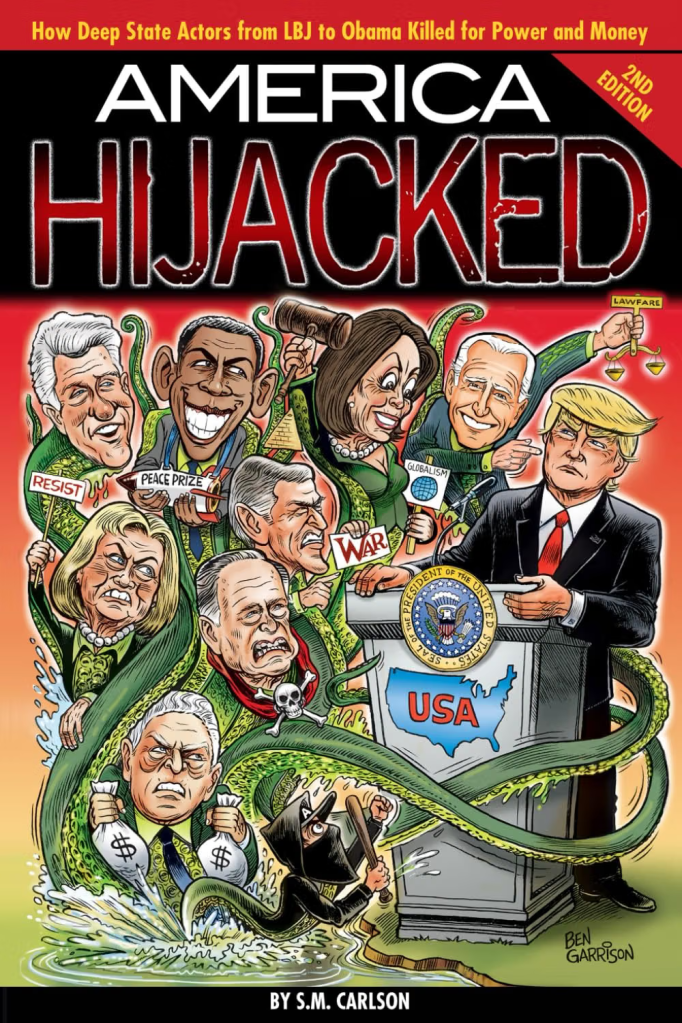
Because he’s not stupid. And he’s been looking at politics, particularly politics in the US longer than I have. But his contention was that Barrack Obama started a revolution and that we’re now in a counter revolution.
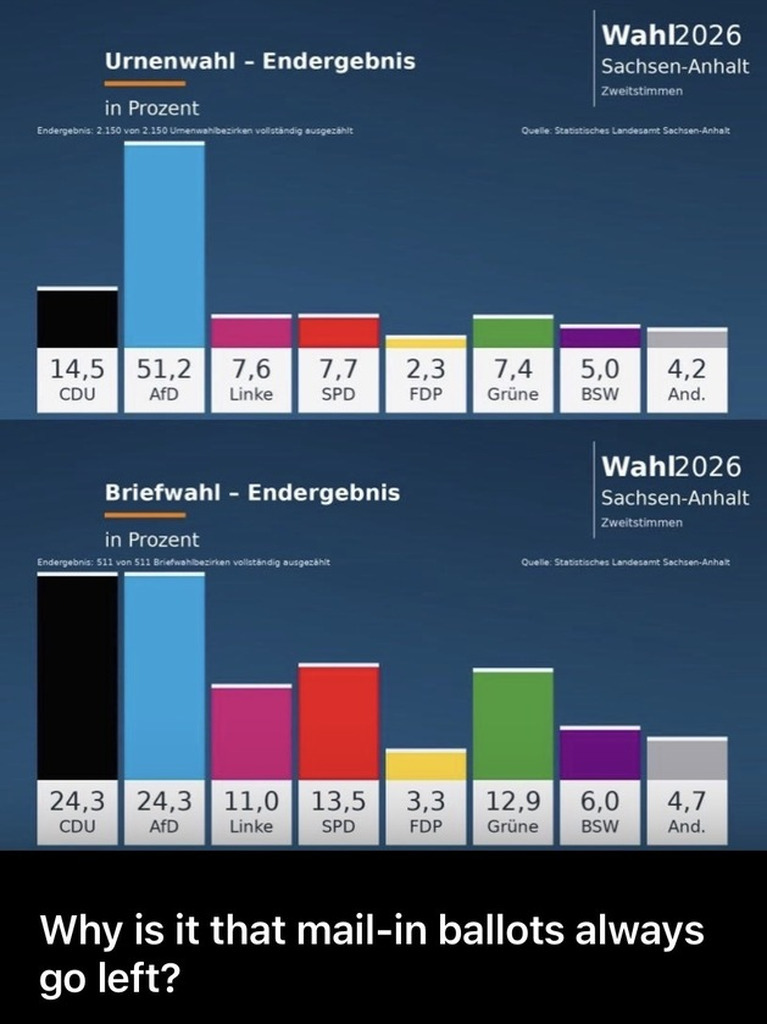
He’s right we’re now in a counter revolution. But Barrack Obama? Really? He even names Clinton as being part of the previous, decent equilibrium. You know, Clinton. The man who sneaked through Motor Voter and set the stage for our current voting mess where we don’t actually know if people are voting for socialists, or if it’s all fake votes.
He seems to think of Bush and Clinton as the happy, stable times, and I want to scream and bang my head against the desk (except I’m writing this on the sofa (surrounded by cats) because he who has a nine to five job hasn’t set up my desk (yet. He’s working on it. He promises.)
The truth is that the “democrat socialists” are not something new under the sun, and Obama certainly didn’t usher them in.
Obama was, in many ways, the crowning achievement of what started as an infiltration and subversion movement by the USSR. In many ways, he explicitly — like Putin — wanted to bring about a new flowering of the USSR. He explicitly said he wanted to undo everything that Reagan did. (And those of you who don’t think it’s funny he did this while Rome had a pope who was the antithesis of John Paul II is funny fail to admire the sense of humor of the Author.) Obama, like all the red diaper babies, thought that the wrong people had won the cold war and he stompy foot, stompy foot wanted a recast and re-film of the movie. Without really understanding much of what happened or even what’s possible.
Ruinous, yes. Disastrous, yes. A revolutionary leader? Tickle me and make me laugh. He was in fact — and still is — The Little Man Who Wasn’t There. He was in it for the adoration, the perks of celebrity, but he was — and is — no mastermind. His ascendancy was only possible because our voting systems were already corrupted (am I the only person who remembers OFA bragging of making up 2 million votes for him?) His presidency was horrendous because he hates us. But not because he had a super-master-plan. In fact, most of what he tried to bring about either didn’t work or backfired spectacularly. Despite Fast and Furious iodicy, the 2A advocates went from victory to victory, for instance. He could destroy, yes, but not create anything.
And neither can his cohort. The creepy crawly socialists coming out of their holes are products of indoctrination who are in this because they think if they don’t strike now the time will pass. This is a ghost dance, not a victory dance.
Obama never had the following, the strength, the glazing (including after leaving power) that Clinton had. He’s not revered as Clinton is.
Why? Because while we are in a counter-revolution, it goes far deeper than Trump. It started before him. Heck, it was probably existent as feeling and resentment before the internet gave us voice and a place to meet.
The truth is that the attacks on the US and our constitutional republic from a socialist flange have been going on for 100 years give or take. I’d say 113 years, actually.
Heinlein said, during World War II that communists had already penetrated and substantially controlled the Democrats. I’ve seen nothing to show me he was wrong. They certainly had already penetrated academia and the arts.
But now we’re fighting back. Obama isn’t revered like Clinton was for a good 10 years after his presidency, because the media is no longer our soul form of information.
Trump was elected because people already knew how to find information the media won’t give us.
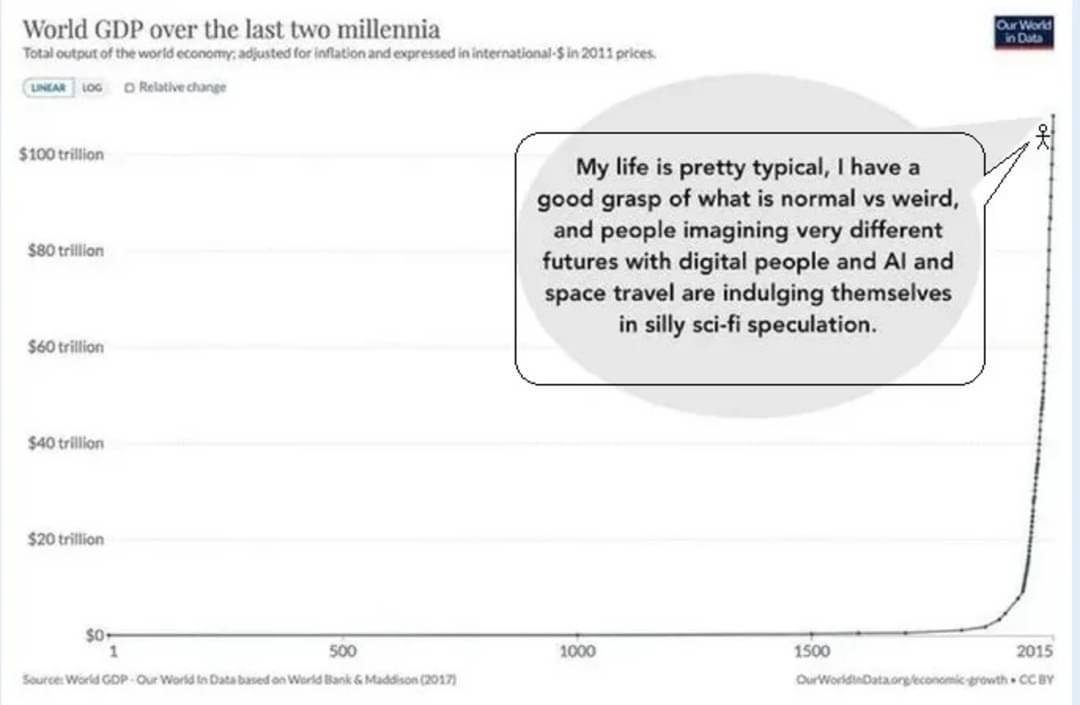
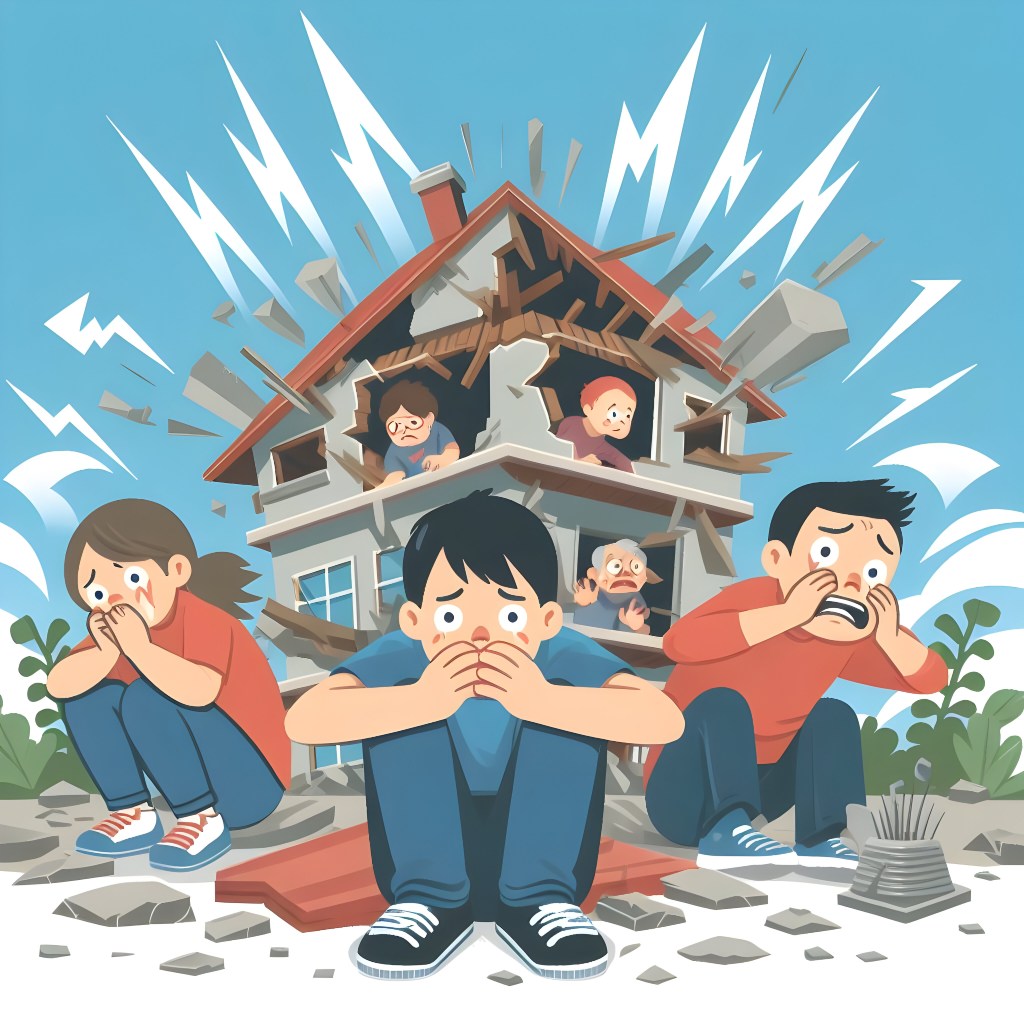
Before the counter-revolution, there was an earthquake. An earthquake that took place in how people live, how people perceive the world. An earthquake in reality itself.
Now, not wanting to discount what Trump has done, particularly in his second term. But his second term wouldn’t have happened if all this were playing out in the 1990s.
None of which is to say we’re not in grave danger. In fact, I’ve been fighting off the heebies all day, though that might be because I’m so tired and this always makes me anxious and depressed.
Yes, the midterms are dangerous. We could do without the Iran war, but I’m sure Trump’s hand on that was forced. Whether it was forced by a real danger of a nuclear Iran of by lying reports of such, none of us can know.
Our only hope is that the defanging of the Democrat money machine will have a considerable effect. That, and if you’re the praying kind, prayer.
Not that a reverse will stop the earthquake, and the counterrevolution it engendered, but because it will set us back and make us fight from a position of greater ruin. And we’re already in such ruinous mess. (The Biden-puppet was surprisingly effective at destruction.)
But it comes to that, then that’s what we’ll do. I’d just rather we were spared.
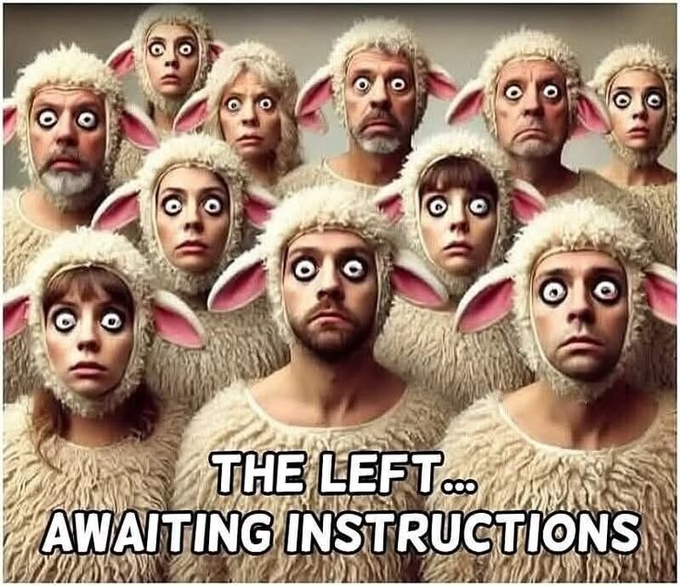
Meanwhile, win or lose, expect the left to go crazier and crazier and create crazier and crazier situations.
Clears throat: if you’re in a safe position, stay there. If your position looks unstable, find a stable one, away from potential falling debris. Be alert to the fact that a chasm can suddenly open under your feet and that bridges might have fallen.
It’s going to continue shaking.
And yet, it is preferable to the 1984-nightmare we were getting locked into before the shake-up. Far preferable.
Be not afraid. Work, think, speak, pray.
Build under, build over, build around. Prepare to take the weight when structures come crashing down.
In the end, we win, they lose.