
Making predictions is hard, particularly about the future, but the fourth of July heartened me greatly. It appears that in most places we the people looked at prohibitions of celebrating and displays of patriotism, giggle-snorted and headed for the fireworks stand.
We didn’t, because we were busy with flooring (the never ending story, though at this point I think we’re halfway through the house. I’d prefer to hire someone to do the main staircase (as opposed to the one to the basement, which I’ll do, because why not) and the upper hallway, but that’s neither here nor there. But otherwise we probably would have. We must have been the only ones in our usually quiet neighborhood who didn’t, though, and the bang bang bang went on continuously from sundown for a solid four hours.
Also, from friends across the nation, it was the same everywhere.
My confidence, which had been shaken by the ease with which normal human beings swallowed the media panic campaign and became covid Karens is somewhat restored.
People take time to realize that reports of doom and destruction aren’t real, and Americans are probably the most decent people on Earth.
Oh, I don’t mean in terms of no crass displays or dressing modestly or whatever. I mean, when the chips are down, unless your neighborhood is truly appalling, when a disaster strikes, we’re all out there, doing what we can.
When a violent wind storm brought down our tree in downtown Colorado Springs, we’d no more emerged from our (shattered, glass) back door, than there were two neighbors there, chainsaws in hand, going “Hey, need help?”
When we rode out Hurricane Hugo in Charlotte, lo these many years ago, we were no more awake and driving to see just how bad it was, than there were volunteer organizations in large parking lots, distributing water, breakfasts, articles of personal hygiene, you name it.
And anyone remember how when power went out in the East a few years ago, people walked home through the streets with no riots or looting?
Americans are DECENT. If you haven’t lived elsewhere you’ll be going “But that’s just common humanity.” Well, it ain’t. Nowhere else have I seen that kind of selfless, immediate response to the troubles of your neighbor.
And despite what you heard about how bad it was in New Orleans over Katrina, let’s say the media was as honest about that as the “we’re all going to die!” from Winnie the flu that you still hear today. They saw the opportunity to bring down a president they didn’t like. And they’re using the exact same playbook.
They forget that while most of us couldn’t go to New Orleans and poke our nose into the superdome, we do know our neighborhoods aren’t piled high with dead and dying. They forget some of us can count and do percentages. They also apparently forgot they couldn’t keep us locked down forever — blame it on their having no clue what making an actual living entails. This also explains why they view their jobs as a pulpit, not a sales stand — which means once you start circulating and talking to other real people, news start spreading of what a non-even this actually was. And how disproportionate the response.
Worst, flush with their success of keeping people locked indoors — okay, that wasn’t the media but their militant arm of elected (at least via fraud) leftist drones — and terrorizing them with coverage better suited to smallpox than an upper respiratory virus that hit mostly the most vulnerable and end-or life, they are now convinced they can repeat the trick at will.
EVEN AFTER they sanctioned the riots that destroyed entire areas of cities, and told us that it was essential for public health for people to be able to loot, set stores on fire and block highways.
Yep, they really think we’re that stupid.
We’re not. What Americans are is peaceable and adaptable.
We’ve endured decades of the left perpetrating massive fraud, rather than break into civil war, because sometimes it’s better to pretend everything is fine than to rebel. Rebellion has costs. As long as their fraud didn’t ALWAYS assure them success, except in certain, always-dirty areas like Chicago, we made jokes about it and went on.
This is because admitting how bad it is means taking action. And taking action means at best tossing our chances up in the air and hoping they come down right. At worst, it means falling into a banana republic status, where the strongest gets the power.
Sigh.
But the left is very, very stupid. It’s a special kind of stupidity. It’s the indoctrinated stupidity of a cult or a fanatical religion. They’ve been told they’re the future, and the young will vindicate them. They’ve been told history has an arrow, paradise lies ahead, and if they just follow Marxist precepts future society will enshrine their memory (not to mention look after their every need as they age.)
This belief is so strong they were talking about all the Trump supporters in nursing homes. Maybe my experience and THAT OF EVERYONE I KNOW is an aberration, but actually that age group has never quit believing the MSM. So, they believe all the fictions about this administration. They are in fact the most reliable democrat voters, and you can’t talk them out of it, because the “respectable news media” has told them how bad orange man is.
This belief is so strong they’ve forgotten all the reliable lefty organization protesters of the last 20 years have been “five guys with oxygen tanks and wheel chairs standing on a corner.” (Antifa are not that, but Antifa are special. Many of them are paid and actually trained. The others are…. well, if your parents and/or teachers belonged to the cult and had told you how horrible America is… You’d be very angry. Also, pretty much useless in normal society. Which makes you angrier.)
Which is to say, they believe that if they just press us a little harder….
They do not understand the American character, which is to be quiet, quiet, quiet and then erupt in sudden, unimaginable violence.
If you’re a praying person, pray they get it. (Says she who just got a newsletter from her church, basically enjoining her to worship the Earth our mother and live communally. Are they all insane? I knew that mainstream churches had gone insane a while ago, but this is a special form of insanity. I think with worship restricted, all these people are talking to much to themselves and looking at the news WAY too much. I’m not having a crisis of faith. I know what I believe. But I no longer know if I can even with my presence support a church who sends out stuff like that.)
I’d rather we slowly win the cultural war over the next 20 years than are forced to respond violently as they refuse to leave us alone. Because again, any time the real shooting starts, we’re in for a toss of the dice.
Look, it won’t end up with the left. Not the left currently represented in the democrat party. They act as though they believe … Well, some lefties said that the democrats seem to believe we’re a country like Sweden, only further left, but they’re wrong. The democrats act like they think we’re China or perhaps an African country. (I wonder if this means the current paymasters of the agitators are Chinese, who understand their own country and their colonies in Africa, but have no clue of the real, deep cultural differences here?)
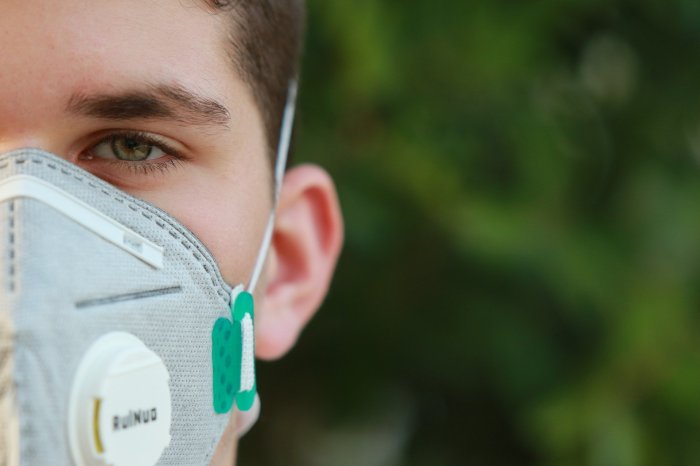
They can’t read signs like people wearing masks as a beard snood, or under their noses, or dangling from one ear, or not at all. And they fail to get that the more they keep trying to stampede us the less it works.
And they failed to read the massive civil disobedience written with fire on the 4th of July skies.
They fail to understand that “our flag was still there.”
Despite 40 years at least of heavy indoctrination, no one but the young and gullible (and not ALL of those, no matter what they say in polls) and the severely disturbed and ignorant believe that America is the worst thing ever and must be destroyed.
Most of us, in fact, love our country, our history and our Constitution. Most of us love living here and the opportunities afforded us. Most of us don’t want to live “in harmony with nature” in 3rd world conditions (Which is actually worse for nature, but never mind.)
We might have issues with this or that historical figure (Woodrow Wilson grrr!) and think events and practices of the past were disgusting, but we’re aware it’s normal of humans to fail. And that even great men (Jefferson) had great faults.
Is the situation good? Oh, heck no.
But I’d prefer to live in a country in which the people are basically sound, and the elite, media and establishment education are a warm bag of crazy than the other way around.
Because as long as the people are okay, when it all drops in the khaki (as the left keeps pushing for it to) there is a good chance the results will be okay and not, say, a man on a white horse. (Which is the most likely form of dictatorship to come from this.) Or that form of leftist nationalistic dictatorship that the left keeps telling itself they live under now. (Thorazine in the drinking water is impractical, but maybe if we target JUST their enclaves?)
There is a chance we come through this okay and STILL America.
Is it guaranteed? Is anything guaranteed? Oh, heck no.
And the one thing I can promise you is that it’s only going to get crazier from here on out, including the first two years after the elections, whether they manage to fraud their way in or not.
And no, I don’t mean just violent or bad. I mean it’s going to get crazy.
What we’re watching is if The People’s Temple had controlled all our media, our education, our information and our arts, our mainstream churches even, and were facing the ever crazier oscillations of discomfirmation of their beliefs.
They’ll try to make us drink the koolaid before they do.
Stay frosty. Stay informed. Stay as well protected as possible. And stay productive.
This type of thing destroys wealth, livelihoods, and lives. We, the people, we who can build and create and do must stay occupied and engaged.
As I said I am only semi-useful. All I can do is spin words and stories. (Okay and lay floors, but this might be my last go at such type of work. I’m getting too old for this. Spent most of yesterday sleeping.)
I do have an idea for an ebook selling thing…. one that would for now not really compete with Amazon, but COULD step in when that goes insane. (Yes, I know, but some of us can’t afford the luxury of a boycott, given our profession.) If you’re a programmer and pinged me before, ping me again. My email eats/hides things, and finding any message older than a month is very difficult. (Yes, husband CAN do it, but he’s actually very, very busy right now.)
I am sure that others of you are far more productive. And some of you are sitting on your hands due to the planned assassination of the economy. Well, don’t be. We’re the ones who build. Do what you can, where you can. Try the crazy things you can try NOW. It will help ensure we come out of this okay if we’re okay financially.
Most of all, above all, BE NOT AFRAID.
Every indication is the people are all right.
Build, plan, prepare. Remember, plan A, plan B, plan C and pray we never need plan D, but have it ready anyway.
And as Robert A. Heinlein’s bastard child, Lazarus Long, said, “Keep your clothes and weapons where you can find them in the dark.”
Now go work and build. Because we’re Americans. That’s what we do.








 According To Hoyt