Having caught a friend’s cold — the best method to get rid of a cold is to pass it on, apparently — I’ve been reading … say it with me: Jane Austen Fanfic.
It’s illuminating, since a lot of the newer people writing it are young. Like, my kids age.
This is not a post about how uniquely bad these kids are or how they don’t do their work. I mean, it’s true some of them are a little … loosey goosey but frankly so were we at their ages, and but for there not being indie publishing at the time, we’d have our own juvenile mistakes all over the place. Heck, I need to republish a couple of my things, and have been delayed by health reasons, and have some of my own mistakes out there (Mostly mistakes of typesetting, to be fair.)
No, the fact is that I can read past typos and strange punctuation. I mean, I read my own first drafts, okay?
But it’s a fascinating window into the younger people’s image of the world and of history. Which, yes, ties up with “what do they teach them,” but also…
Look, people talk about the singularity, but I wonder if it’s already happened. Because it seems absolutely impossible for most people, to be fair, my age and under to conceptualize how different life was in the past.
I only have a little more insight on it because Portugal is consistently twenty years behind Appalachia and playing a game of catch up. They’re weird, because every time I go over there’s something that’s utterly new and they act like it’s always been that way. I guess an adaptation to living in catch up mode. The latest was “laundromats.” They’ve always known them from the movies and TV, so they act like they always had them, but Pepperidge Farms remembers.
Anyway, I have SOME though not enormous view into the past because until I was ten cars were rare, and my parents one and only house move was accomplished by borrowing an ox cart. And most travel was by tram or train. And while in my time, thanks to antibiotics, childhood death was rarer than in mom’s time — though not unheard of — if mom’s childhood stories are real, she lost half her friends to illness and accident before the age of 18.
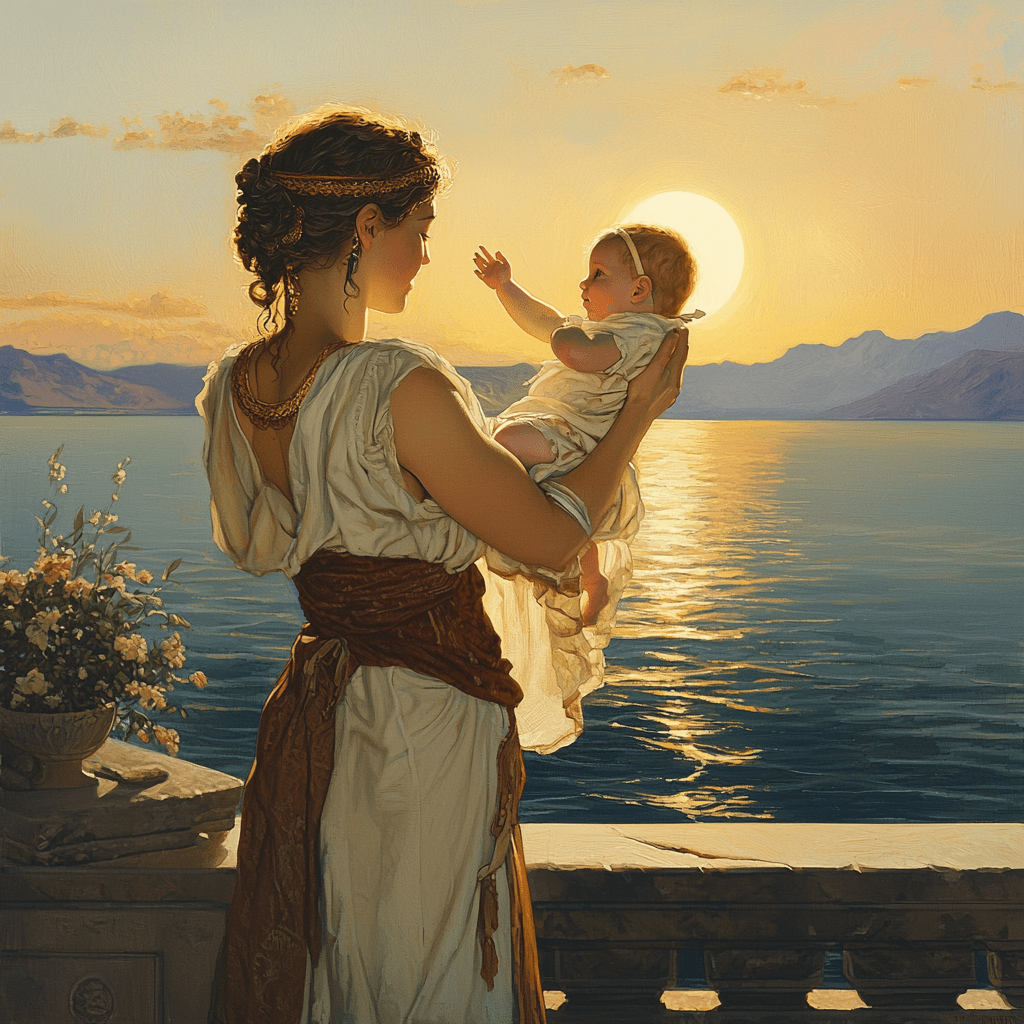
But most people don’t. And this is particularly true for younger people. Say 40 and below. They grew up in a world that would be considered a paradise by all of mankind that came before the 20th century. An unattainable paradise. And they don’t realize it. Not just how much more they have, but how different their lives are.
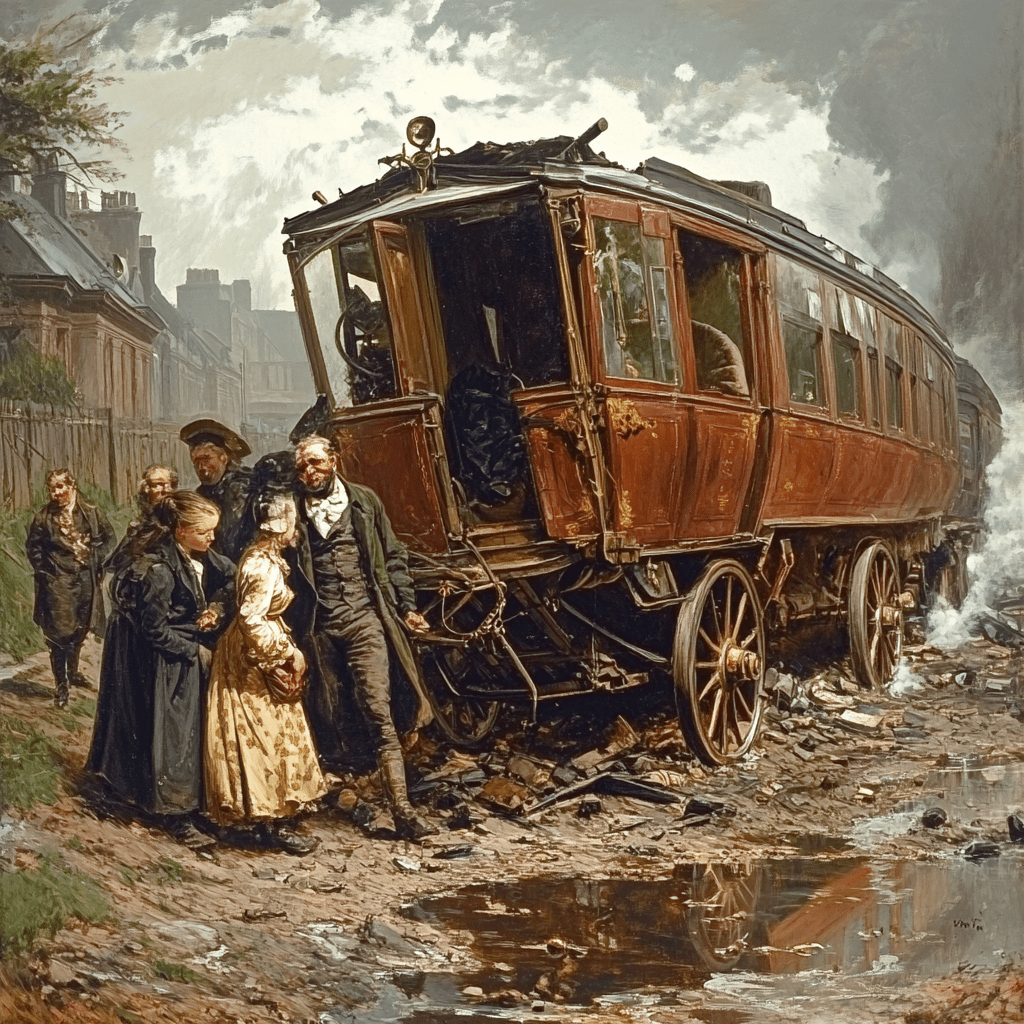
The title, and illustration are from one of my “favorite” pet peeves. If for some reason you need to kill someone early they ALWAYS die in a carriage accident.
I about reached my limit with the one where the character’s father (probably in his fifties) died suddenly in a carriage accident. First, this man doesn’t like to travel. And second– argh.
Okay, it’s not that there weren’t carriage accidents. Of course there were. Nor that people couldn’t die in them. They could.
It’s just that… well, guys, fifteen miles an hour was a crazy speed. A carriage accident was in fact far more likely to kill the horses than the people inside. Carriages didn’t, as a rule, careen into each other or t-bone each other, unless there was something seriously funky going on. Mostly accidents were due to breakage or pushing the horses too far, or trying to go through too narrow a passage. They were rarely fatal to the passengers, unless the carriage fell down a ravine or something (and how many ravines were there?) which was more likely to happen in long course travel.
But if you take the fanfic, the level of deaths in carriage accidents was higher than any car accidents nowadays. And it’s ridiculous. Because the reason they’re all over is because these writers reach into “What could cause so and so to be an orphan in his twenties?” and immediately come up with “his parents died in a carriage accident.”
Okay, to begin with and to get it out of the way, in the early 19th century, carriage accidents were rare ways to die mostly because extensive drives by carriage were rare. Let me interject here that they were slightly higher for sporting age and type gentlemen who might be driving high perch phaetons or other vehicles that had no shell and had a high risk of turnover. Heck, the risks of horse back riding deaths were higher. All you had to do was fall wrong. And I understand as with motorcycles, if you ride you will have a spill, the question is where and how.
But you don’t need accidents to justify early — meaning before 60, let alone our normal now of around 80 (Yes, I know what statistics say. Also pfui.) — death. Death was startlingly easy to come by.
It has become normal these days to claim that people always lived “about what they do now” and claim the difference is because childhood death skews statistics. Bullshit. Again, I say to you, bullshit.
In fact this claim is ALMOST a perfect test for strong Marxist convictions. I guess having realized they want to take people back to the middle ages, they have to convince themselves it’s not all bad.
Look the truth is that there’s no way to tell how long people in the past lived. What we have are at best “hints.” Time keeping and records weren’t a big thing for most of human history and what skeletons show (even assuming we found all of them, not about 2% of them) is debatable. What we have — mostly, kind of — for Europe is church records of baptism and death. But you’d be shocked how flexible and shoddy those can be. Not to mention how many get lost.
But those of us born in the middle twentieth century — THE MIDDLE TWENTIETH CENTURY — can give you some hints. Particularly those of us born in less affluent places/times. I can tell you for instance that when someone died in the village at 60 or older, they were “old and full of years” and while it was sad, it wasn’t unexpected. Also I was 14 the first time I saw an 80 year old, and he was a wreck. He sat on a chair and shook, unable to do anything for himself. Yes, there are 80 year olds like that now too, but guys, we see eighty year olds on the regular. The man was a rarity and from a very wealthy family.
Then there is the congratulatory calls when someone turned 100. It was on TV. Like, once every few years. And the person usually looked half dead, or wasn’t 100 at all but they were surmising. Recently someone on our side was holding forth on twitter that anyone who thought they were 100 or more were either lying or it was bad records. PIFFLE. No, more than that, piffle with piffle on top. We know for a fact there are a lot centenarians, because the records in 20th century America were way better than in Europe at the same time, much less before that either place. Now, I don’t know if we’ve broken the upper limit of 114 consistently, and there records don’t help, because we enter the realm of shaky records. However, your local hospital on any given day will have a couple, three, half a dozen centenarians. It’s not that rare. It’s probably more common than 80 year olds when and where I was little. And while 100 is still rare there, it’s also not THAT rare.
This has happened in 50 years, everywhere. I can give you guesses as to why, and it would have to do with better hygiene, better food and ANTIBIOTICS. (Yes, I am in sympathy with the folks in MAHA and I think we eat a lot of overprocessed crap that doesn’t need to be so, particularly since the fad of having things packaged/mixed in China means … well… nothing good. But just simple refrigeration and worldwide transportation of food means we eat fruit and vegetables in winter, which makes a huge difference.) Less physically punitive work, even for those in physically demanding professions. And antibiotics. Most of all, I’d guess antibiotics, from various things, like seeing pictures of people in the past, the size of the interior of cars and how it changed from the 30s to the 40s. Etc. etc.
Look, being sick all the time has a wearing-down effect. Put a pin in this but: by the time you reached ten, as a child in the regency, you’d already have survived ten or twenty SERIOUS life-threatening illnesses. It is stupid — no matter how stupid the not-vax was — to claim that vaccination and herd immunity for children had no effect. And sanitation — clean water, and the ability to bathe at least once a week — was also instrumental in reducing not just childhood death, but continuous childhood illnesses.
The illnesses extended to middle aged years. It seems to me from their mid thirties on, people were never quite well, and were managing more or less serious conditions. Now thirties still counts as young age, and barely past your teen years.
Then there was for men — almost every man — serious every day risks. Even noblemen and the well to do rode horses, which as we’ve established aren’t death machines, but are, as a means of long transportation, far more dangerous than carriages. In addition most of them engaged physical activities even if well to do. From shooting to supervising around the estate, to “sport” which often meant boxing. And every woman who married spent most of her life pregnant or nursing. Unless very, very well to do and hiring nurses.
Activities that we consider quite harmless could turn around and bite you when antibiotics weren’t a thing. President Coolidge’s son died from a blister that got infected. This is unthinkable for a healthy young person in the 21st century. It’s not just unthinkable. It’s laughable. And when Jane Austen says “People don’t die of trifling little colds” it’s supposed to be a laugh line, because people could and did on the regular. This is why colds in her books were treated like life threatening illnesses, with isolation and careful bed rest, and protecting from all chills while recovering. They didn’t do this because they were zany. They did it because there was a serious risk of death.
But even if you didn’t die it left you “shaken” kind of like I’ve been the last two and a half months: weakened so something else caught you. And even if you survived them all, it aged you prematurely and left you aged and ultimately dead “before your time.”
Where I put the pin: You see people like the main love interests in Pride and Prejudice, orphans in full control of their money in their mid to late twenties. And the modern mind immediately scrambles for catastrophic explanations and seems to land, unthinking on “died in a carriage accident.”
BUT for the love of holy Bob, we don’t even know that young man was their first son, and that therefore they were in their forties. It’s entirely possible they had and buried five or six children older than him and that they were in their early fifties or sixties when they died.
I really heartily recommend anyone who wishes to write historical fiction, or even simply to know how blessed our age is, to read historical biographies. The things you discover will be worth it. Things like even in upper class families, fertility might be low because (no refrigeration, no transportation) they often were malnourished (no fresh fruit and vegetables, and “fresh” meat depends on how fresh is fresh.) Women might have countless failed pregnancies before they had a child who lived. And the child who lived might not live very long or die well before the age of reason. So the oldest son and heir in his twenties might be not at all the first born. Again, I like to point when a well brought up girl, of the upper classes sewed her trousseau before marriage, that trosseau typically included a few child shrouds, because she might be too weakened or tired from birthing to sew one for her children who would die at birth or shortly after. IN THE UPPER CLASSES.
Second, explaining death of people in their forties or older (or younger, to be fair) isn’t the hard thing. The hard thing is how in heck these people even survived. Go and look at the report on Czar Nicholas’s remains. The man had massive teeth problems and raging infection probably for years. And he was undeniably one of the wealthiest people of his time, who gave his wife golden, jewel encrusted eggs for Easter.
But all the wealth in the world couldn’t buy dental care that even not particularly well off people can get in the 20th century. Or the benefits of regular brushing and flossing and well-designed tooth care products. Oh, and again nutrition and antibiotics.
Look, if we don’t listen to the siren song of the Marxists, it’s quite possible my kids generation will view living to 120 in relatively good shape (Yes, it’s possible. My parents are still living independently in their nineties, and they don’t live anywhere as well as lower class Americans (though they’re not lower class for their country.)) as “Oh um, so that’s a thing.”
Not common, probably, but maybe around 50% of people will attain that kind of longevity in the next thirty to forty years.
Look, what disturbs me is not just bad fiction. I wouldn’t rage at you guys for that, since many of you don’t even write. Though if you do, please find better ways to kill people in the past than the apparently feral carriages that ran around the countryside in England, attacking and eating humans.
What disturbs me is that most people, even those who think they do, don’t realize what an amazing time we live in.
We are living in paradise, people. Act like it.
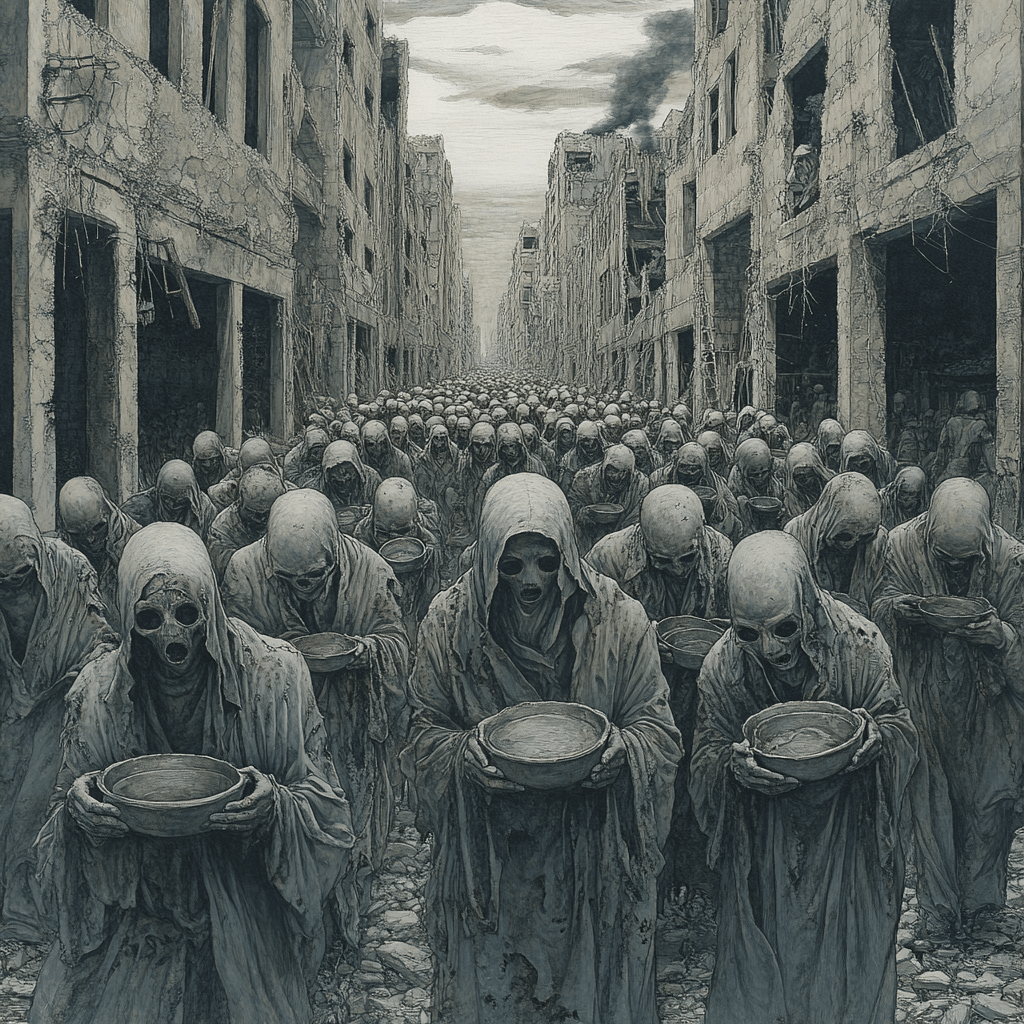
And work to stop the sh*theads who want to take us back to “a state of nature.”
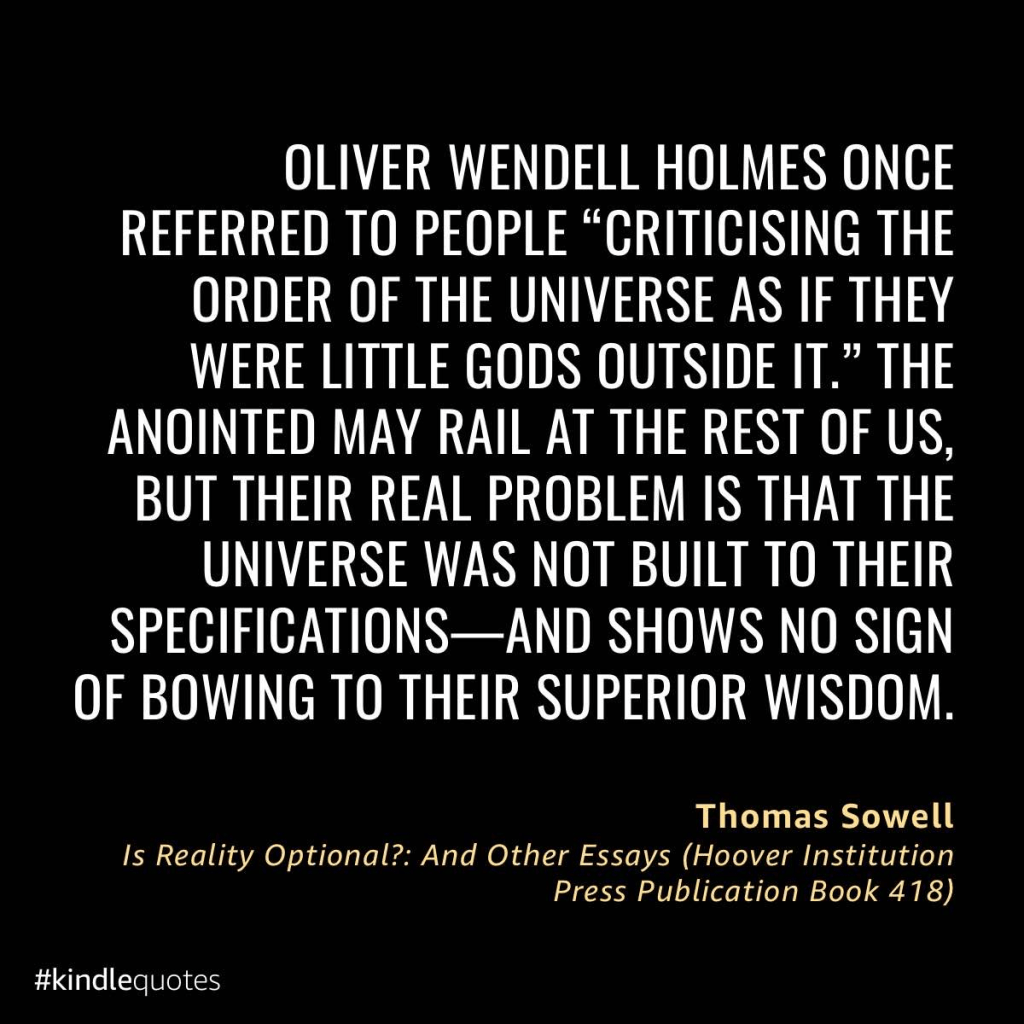
Nature is okay, but it’s something that should be enjoyed from a position of superiority not one of need.
And the human animal does best when in a civilized setting. So let’s keep civilization going.




















































































































 According To Hoyt