Sorry to be absent yesterday and to do this late, but yesterday was the last of the wholly dedicated days of helping family move, which is the other half of our move, and it’s been a lot over the last three months, and I kind of folded.
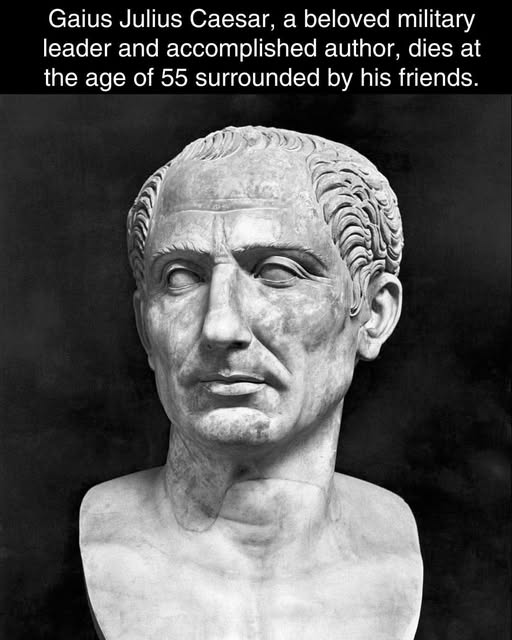
Then I spent three hours in the night wide-awake, which is what tells me I’m actually worried about the midterms. Yes, I know. On X, Cynical Publius, whom a friend calls “The only decent one of the Roman Statue guys” says that the whole idea the democrats will sweep the midterms is a psy-ops.
Look, he might very well be right. After all, when is the last time you heard of the GOP being “well ahead” before an election (except maybe locally.) And perhaps it is just my impression, but I think the “The GOP is losing badly” polls get more certain and exaggerated every election cycle. I mean they learned from 16 — ish. They’re no longer saying absolutely no chance but that the left takes all. But they still are, just more low key and sounding more intellectual.
So, it’s entirely possible the left is dead in the water, knows it, and is doing the “We’re totes going to win” out of reflexive attempts to demoralize the right.
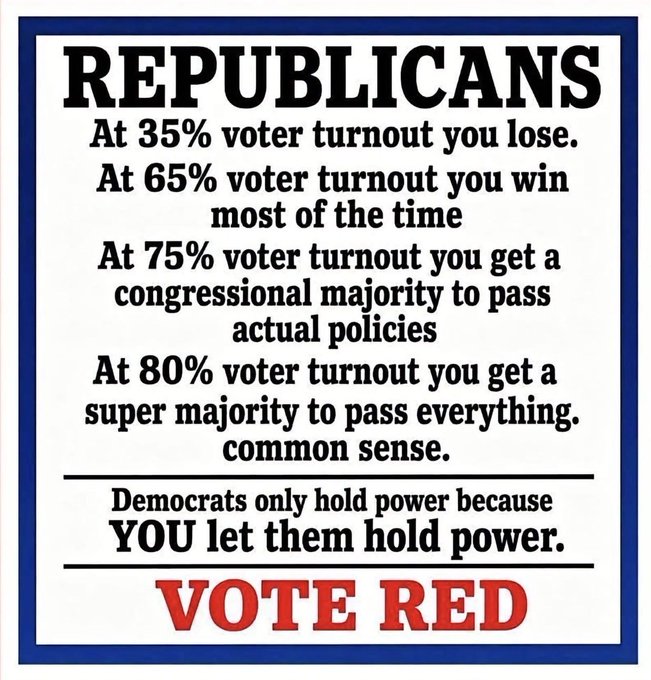
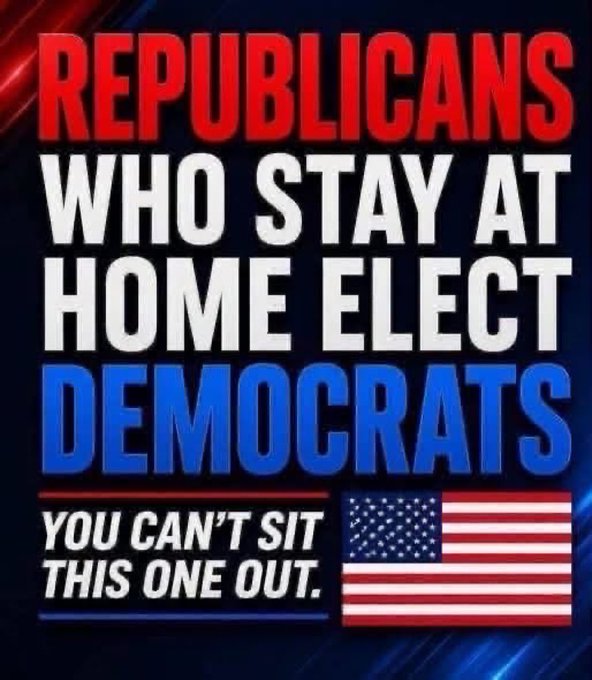
The thing is, for my money, it was never an attempt to demoralize us. Look, which of you won’t vote because the left tells you all is lost? You vote harder and with an FU, right?
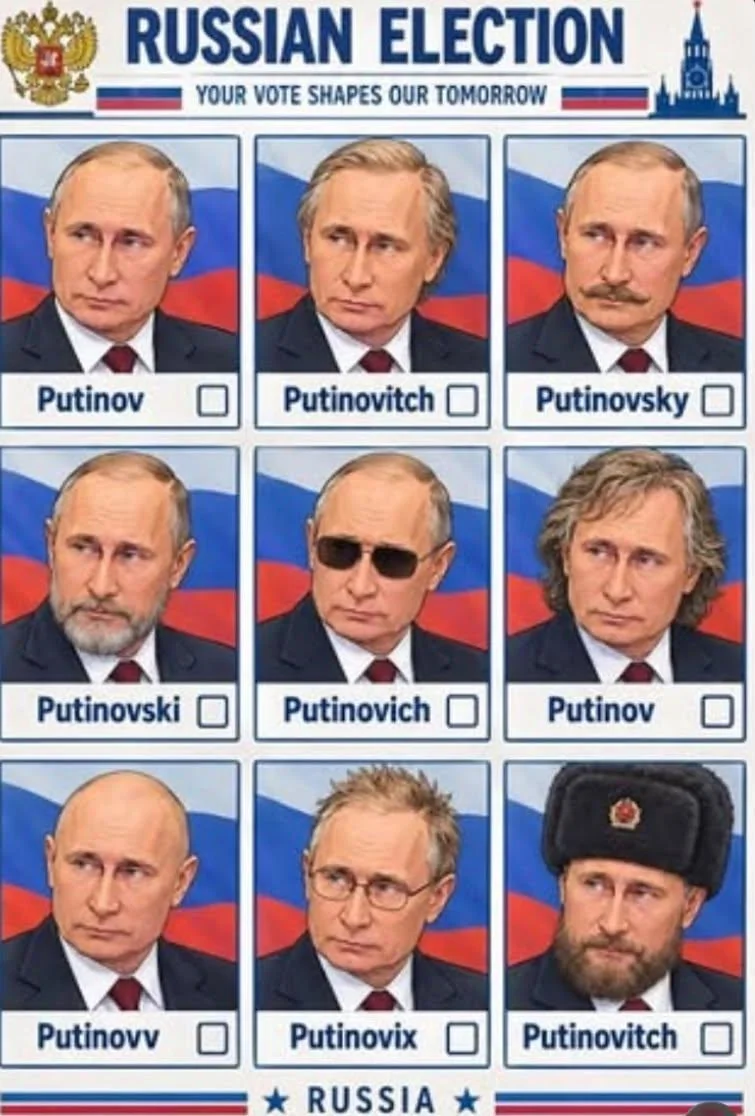
I think the polls and the triumphalism was ALWAYS to hide the fraud. Because if the polls were accurate and the left didn’t convince us all it was going to win anyway, people would look more carefully at the fraud.
“But Sarah, the fraud can’t be that gynormous”. If it weren’t they wouldn’t have fought so hard against the SAVE act. They wouldn’t have been so crazy as to push every state they can towards vote by mail. And coming from one of those states, let me tell the fraud was already massive before that. Now, of course, Colorado is in the grip of Sauron till the abomination of fraud by mail is defeated.
So, how reliable are the polls? Even internal ones?
I don’t know. Therefore I don’t know how much gravity to lend the story that the GOP is now running adds in locales that should be safe. I honestly have no clue.
We have things going for us, including la grande salida (this time for real) which is where people leave rather than worry about ICE. Or leave because it’s harder for them to suck the benefits teat. (It’s really not possible for them to live here, at the wages paid to illegals, without also massively imposing on the social safety net.) But that doesn’t matter much. Why not? Because the registrations of those that registered will be there, and someone will vote in their name, particularly in “loose” and vote by mail systems.
Then there is … the machine. Just the machine of fraud and deception built since Clinton passed the Motor Voter act.
How efficient is it? How much of its founding has failed? And how much will the people involved in it pay heed to all the hunting down and persecuting of those involved that has taken place more every year? I don’t know. And neither do you.
I do know that the steady drum beat of “The economy is the worst it’s ever been” is affecting the young, who at any rate for a variety of reasons, most of which are “progressive” dominance, from anti “child” labor laws to failing schools to the massive not-dischargeable-in-bankruptcy loans, are finding life very difficult to get foothold on.
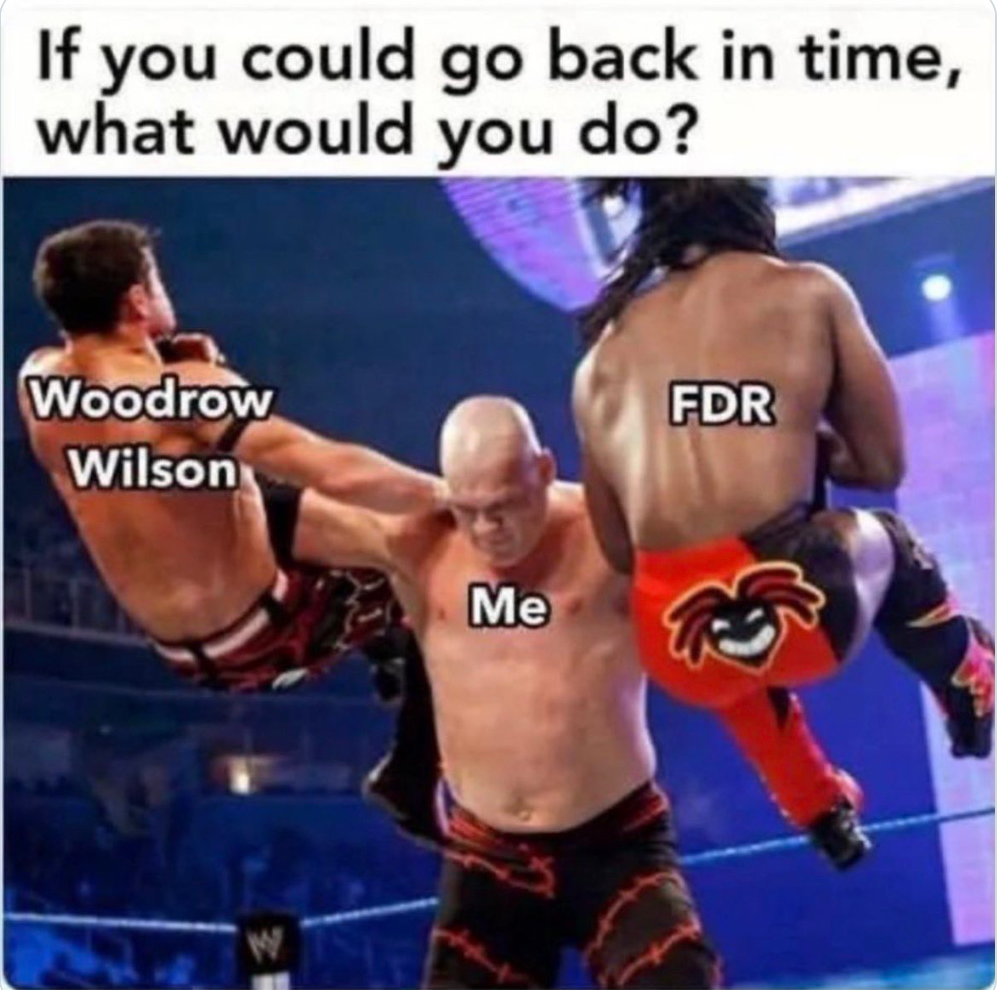
Is the economy bad? I don’t know. In our region, the gas is not as bad as it was under Biden, and we can afford eggs, which were once upon a time unobtanium, and which we were called “treatlers” for complaining about. (Only the democrats could make eggs too expensive to afford. Apparently the repeat of a trick first performed by FDR, at that.) Looking around I won’t say things are hopping. I don’t see the big take off we saw under Reagan. But then again, even under Reagan the take off was not instant, and I beg to note that Carter didn’t as comprehensively destroy the economy as the auto pen did. Partly because he started with a relatively stronger one.
I know that despite our town being very friendly to homeless (Grrrr) the infestation seems to be receding apace. (I wonder how many of those were illegal, or how many of the addicted-and-crazy were being ignored due to all the support going to illegals. It’s probably a “yes”.)
I also know that in this safe seat, the only ads I see are crazy — and I mean crazy — attack ads against the GOP. There are no “this is our program and it’s so much better.” There are also no GOP ads. So– Does it mean anything? I don’t know.
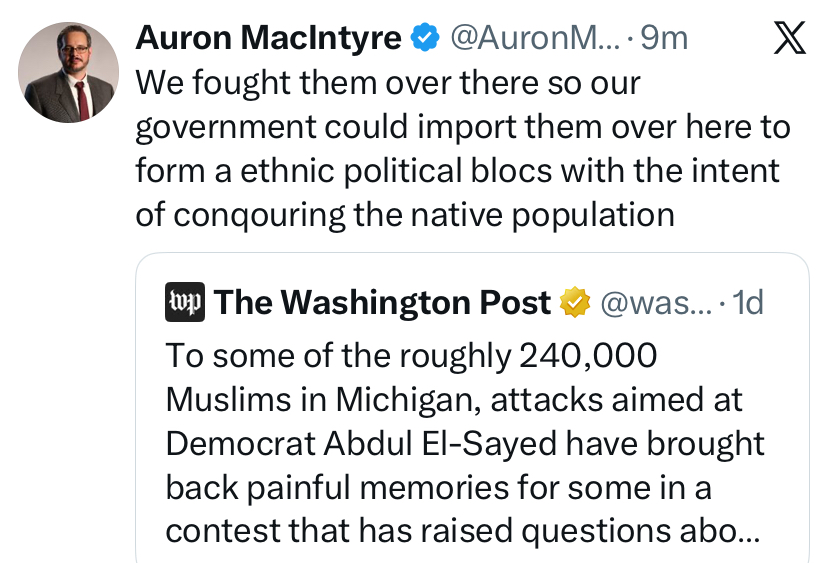
And what the heck is with the caravan of “migrants” (Yes, invaders) from Honduras winding towards our border? What do they thing they’re going to accomplish, when the border has been sealed since Trump took over?
Achtually I have a theory. I think the left thinks it can’t lose on that one.
First you have to remember that they drink their own ink and they’ve been going on and on about how people are very, very upset at Trump for all the deportations and sealing the border. They’re right actually. The people are very upset about the deportations being so slow. But the logistics of it always dictated they would be. Though that’s not why the left thinks we’re upset. They have seen all the movies. They’ve made all the movies. You know, about how the innocent illegals are being shot down on the street. They’ve written and read all the articles about how even citizens are being shot and deported.
They’re spitting mad and appalled. And they lack a theory of other minds, so they figure EVERYONE is mad and appalled.
So they figure they send a massive caravan at the border. If the border patrol resists the invasion, people will get shot — the left will make SURE a pregnant woman or more get shot. It’s the playbook! — and people will be furious at this administration and sweep the left into power in a wave of righteous indignation.
Or… the caravan is just turned away, they mine the sad stories, and the people are heartbroken and sweep the left into power in a wave of righteous indignation.
I’m not worried about that. In either case. It’s the left thinking in movie plots, in which “All the people” rise up in response to whatever the crazy thing is that they’ve dreamed up to be mad about.
OTOH we also think in movie plots. The post Holly shared yesterday I was surprised that I expected greater fighting and leftist violence if Trump won, despite the fraud. (And I didn’t expect him to win because of the fraud, which is why I went to bed at 3 am election night. I don’t expect the election night this year to be better.)
Now, Trump’s going after their funding sources stopped some of that. Definitely. This is why we haven’t had another Summer of Burning Love. (Though I wouldn’t put it past them to be saving for 2028.)
OTOH I was scared and I guess I too tend to think cinematically. I am, after all a story teller, and “They they gradually adapted to this as the culture slowly changed, until opposition…” is not a great plot to fit into a novel. Not even a massive novel, like No Man’s Land.
I take my fear as a picture of just how fraught things felt back then.
Which is why I would much rather not go back to it. By the time a piddly league pundit like me is worried about debanking and conceiving stratagems to get around it? Things are very fraught indeed.
Did we do enough to obviate the fraud? Who knows? Crystal ball cloudy. Ask another day. Mid November, for choice.
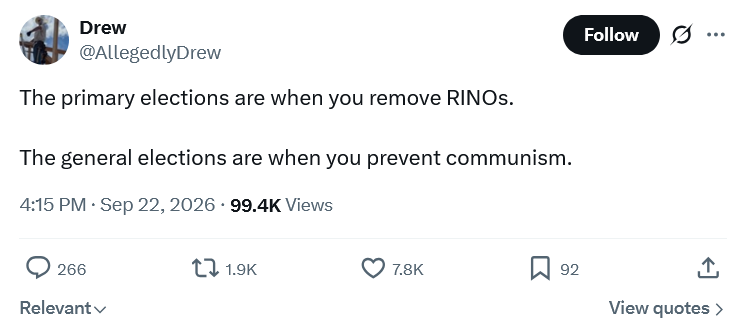
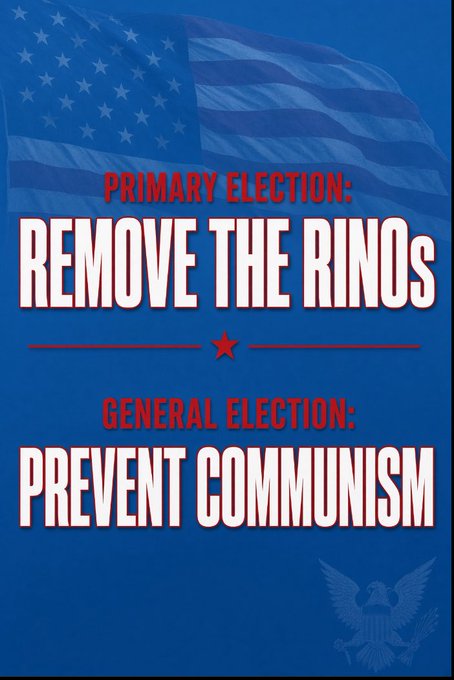
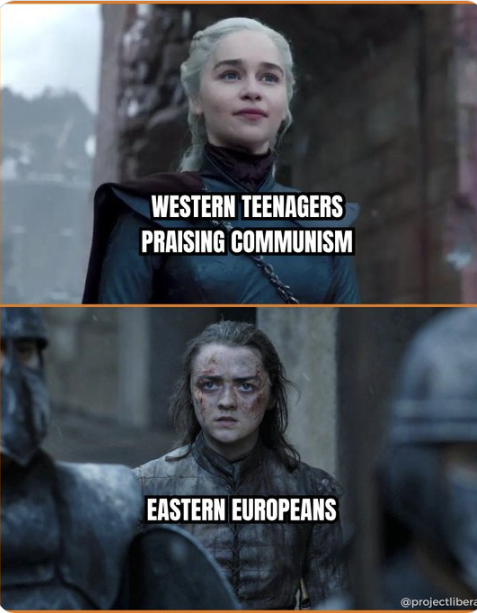
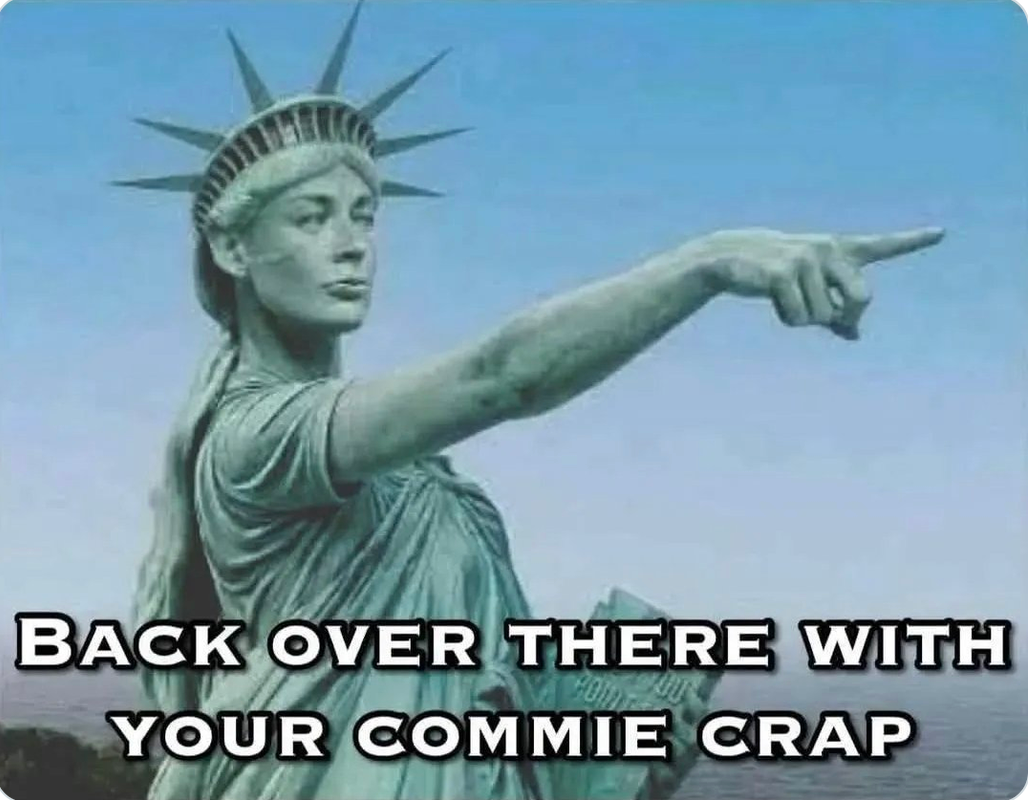
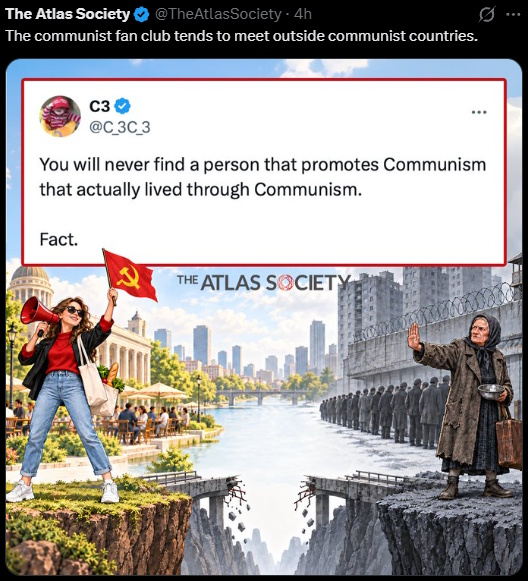
It’s not very cinematic, but we’re just going to have to vote against the commies (even if there’s no one to vote for in our area) and keep on keeping on.
Sursum corda. Keep your clothes and weapons where you can find them in the dark.
In the end we win they lose. It might just take a while.