I am a novelist with work published in science fiction, fantasy, mystery and historical "novelized biography". I've won the Prometheus award and the Dragon award. I also write under the names Elise Hyatt and Sarah D'Almeida. http://sarahahoyt.com/
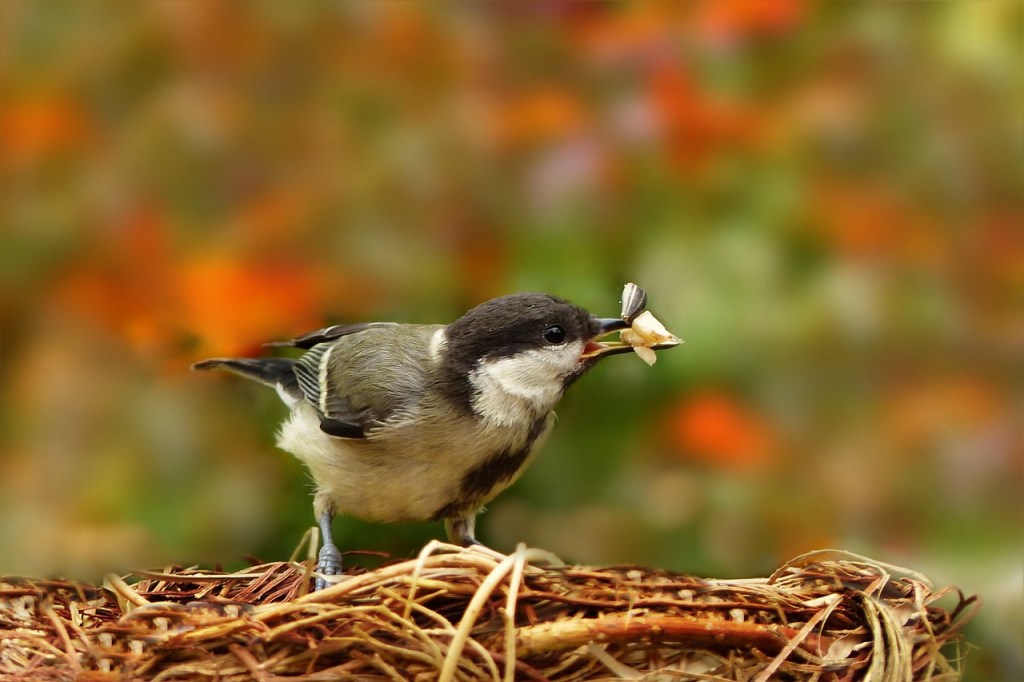
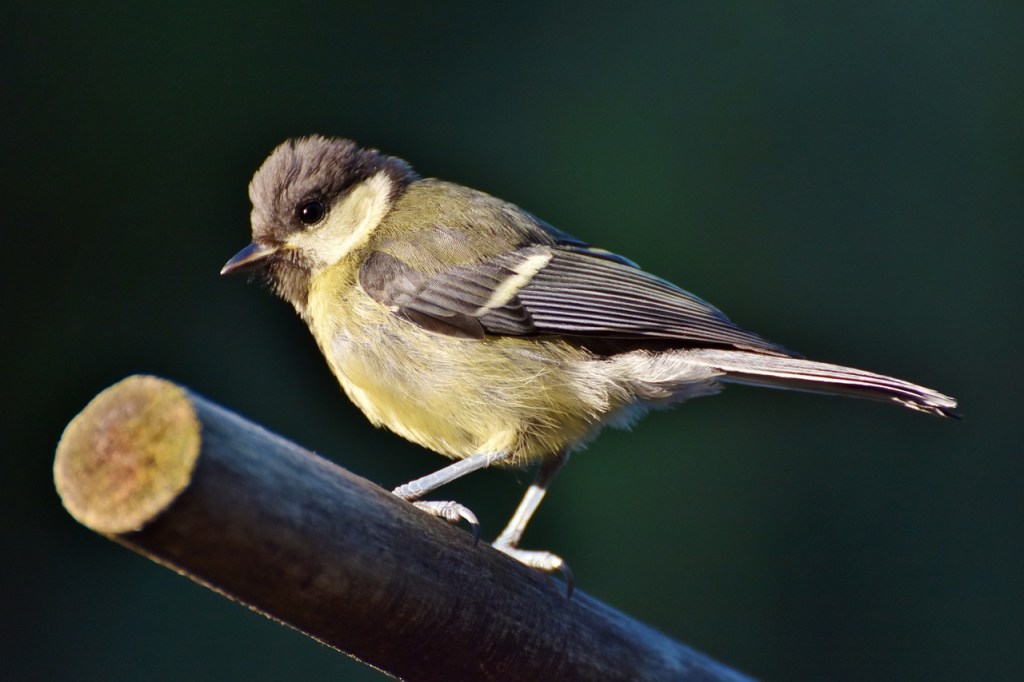
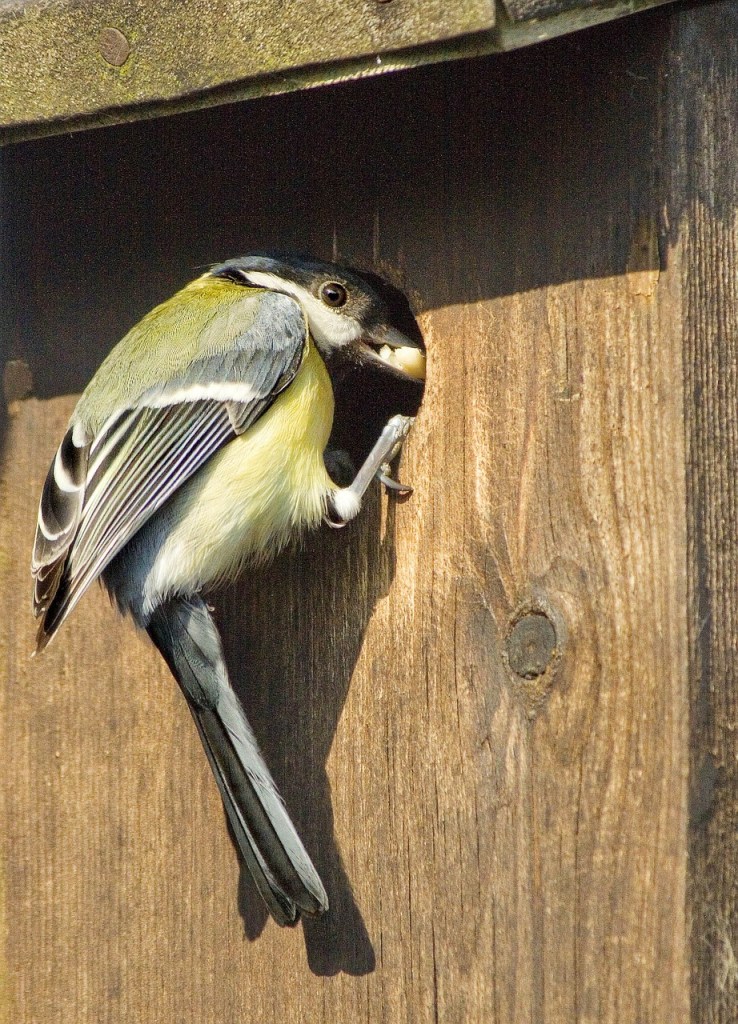
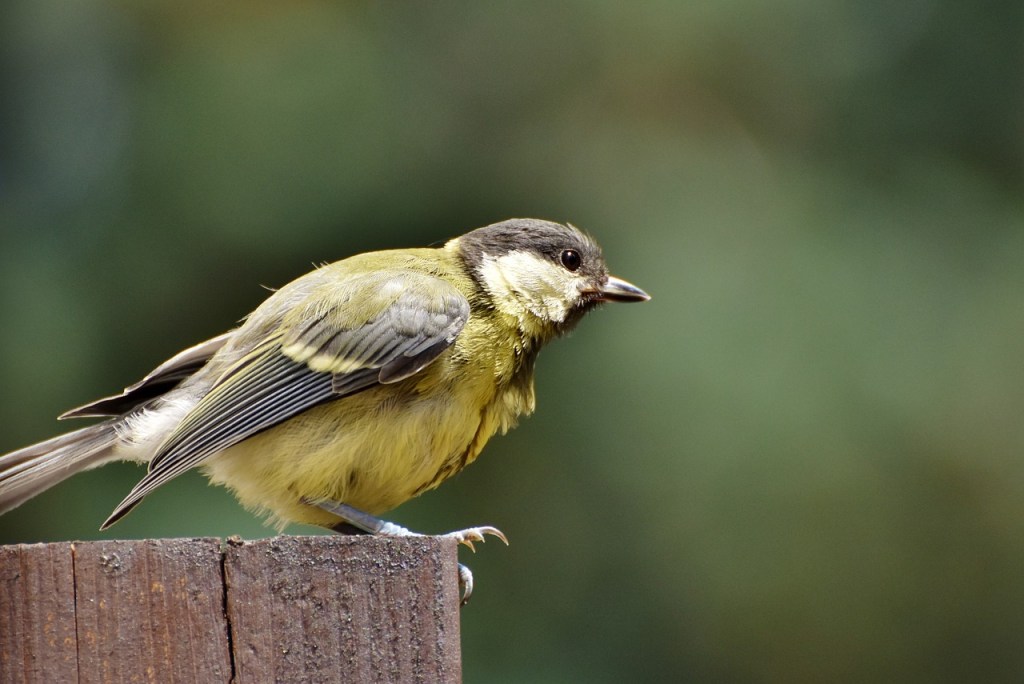
Hey, what do you know. Posting boobs worked! Continuing on a theme, have some tits. What’s best? The tagging on this assures me they’re GREAT tits. So, have some GREAT tits. (They are very pretty.)
And I promise a Great Big Fat Tit at the end.
Now, for the serious side: This blog takes up a lot of my life. And when I’m not feeling well — yes, Dan had surgery but I managed to catch a cold at the hospital — sometimes all I can do is the blog. You can tell because I end up posting really late. So, in a way it’s my job, and therefore, yeah, okay, I should be paid for it. This is a realization that took me a long time, and somewhere up in heaven, Jerry Pournelle is laughing that he finally won that argument.
Yes, I write fiction, but funding the blog will help me offload some of the other not-writing stuff I do which make it even harder to find time for writing. Like maintaining the blog links — note that there are new ones, please — and maybe even (aspirational) getting my writer’s website as well as that promotional site for writers to the right of Lenin set up.
And hey, maybe I’ll have time to write more fiction and that will make me so much money I won’t need to run funding days next year. (And probably twice more before December because, yeah. This year!) It could happen. But that’s not THIS year….
So, because it’s been brought to my attention that people actually like to be patrons of the arts — or in the case of this blog — the craft (No, not that craft, silly. Whatever this is, it ain’t witchcraft) I have set up three ways to help fund the blog.
(And yes, last year’s donors will get their rewards, even if I’ve been impossibly slow. No, I won’t bore you with why. I’ll just shut up and work on fulfilling promises.)
The first is Give Send Go. They forbid the use of incentives to donors. So if you give via GSG you’re doing it for the satisfaction of helping According to Hoyt stay up and for me to be compensated for my work. Yes, that total is scary but I never intended for it to be carried by GSG alone. That’s the funding goal for all methods, for the year. A keeping-track-of goal, you might say. To donate to Give Send Go: Link Here.
But if you want to get something for your donation, and particularly if you want to incentivize (totally a word) my fiction writing: I’ve started a substack called Chapter House, in which I’m serializing two novels, one fantasy and one Space Opera, at two chapters a week. (The idea is for Witch’s Daughter to get two new chapters on Wednesday, and Winter Prince two on Friday. because July is h*ll this year (Fun with DOCTORS! People and cat doctors. Yeah) these might slip for the next two/three weeks. After that they won’t. Go to Chapter House, read the free portion of the books, and consider subscribing to receive the updates. You get a chance to read the novels as they unroll and perhaps to talk/argue about them. You’ll also get them at the end in ebook format. (I’ll try to have a free story once a month or so, for the free subscribers, but no promises) Anyway, to subscribe to Chapter House, the link is: Here.
And for those of you who have Patreon and just want to donate in a system you already have, I have one of those, and I will be posting life events, and excised scenes, and art, and … well, be warned, likely cat stuff. Because I’m owned by cats. Anyway, to donate on Patreon, please: Go here.
Finally, if you must send things by snailmail, yes, we accept checks, cash, and cat pictures. Do not send pictures of our cats, though. We’ve already seen those.
News Flash: You ain’t Tokyo Rose. Further news flash: No one is paying you to spread fear and despondency. So I guess you’re doing it pour l’amour or le sport, uh?
Look, everyone gets scared, okay? And sometimes you’re so terrified you just blurt it out. You can’t stop it. You partly need reassurance, and partly the nightmare is trying to come out. I’ve been known to do, but I usually do it in a small group, who then beat me about the face and head. Until I stop doing it.
Because let’s be real: The nightmare you’re having is a nightmare. It’s composed mostly of the narrative of every movie you’ve watched. It won’t actually work in real life.
I will grant you that’s what the left is trying to make happen. They watched the same movies. Worse, they made those movies. But it’s not real.
Note I’m not immune to them. I’m also narrativium poisoned. My only advantages in this are two: I’ve seen a country (much smaller and more vulnerable) come apart once, and it’s not like the movies. In fact, if you need a motto, let it be “THIS IS NOT A MOVIE. IT WON’T HAPPEN LIKE THAT.” Even in the middle of utter chaos order remains. And the enemy’s plan ALSO does not survive contact with reality.
AND I’m a massive, clinical depressive who doesn’t want to be treated. No judgement on anyone who gets treatment, okay? It’s just that a) I like to know what I’m thinking with is my thinking meat. and b) I know what lies buried in mom’s family tree, and the tendency of anything I take to have bizarre side effects. As a friend told me, who refuses to take pain meds for fear of becoming a mass murderer “you don’t want to know what me on those rare side effects would be or do. Neither do I.”
So, my only means of controlling depression is what I call “Continuous reality checking.”
Which means I think through things, and go on the instances of what has actually happened in the past. Which is rarely what people are afraid of/Hollywood pushes.
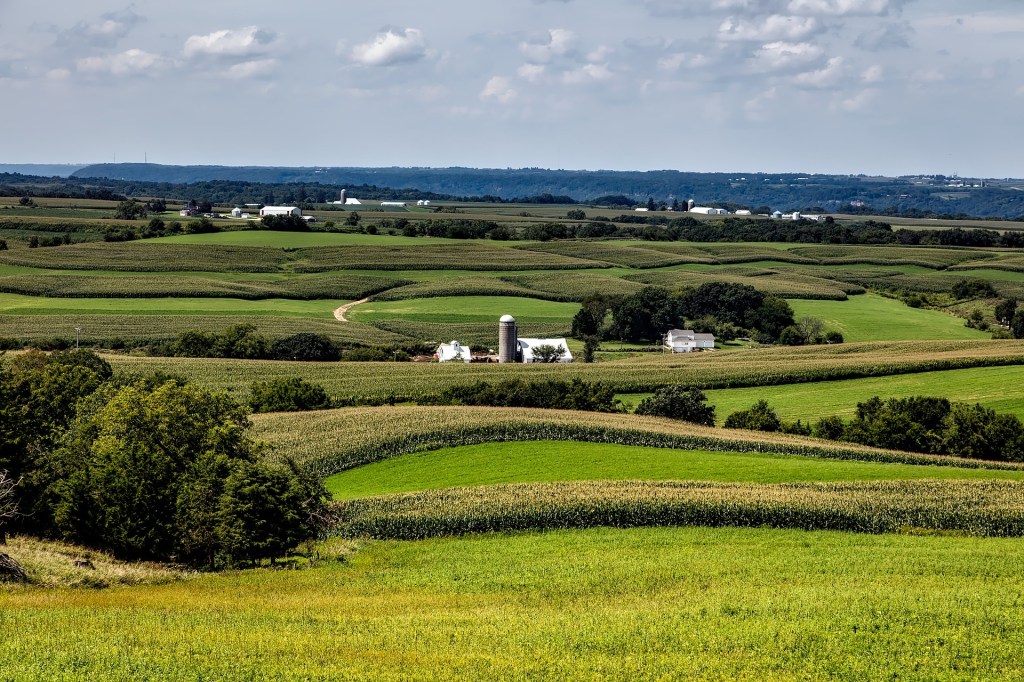
So when I posted yesterday’s post, someone took that picture of rural solitude and said “Until the hordes from the city arrive.” Head>desk.
What hordes? This is one of the most persistent myths, and it is totally Hollywood fueled.
It only survives if you don’t think of real life, and what real life looks like. We’ve done a lot of driving these last three years, while rarely leaving the west (and that only one trip.) There is a lot — A LOT — of rural solitude out there. Miles and miles of miles and miles, and fields tended by robotic machinery. Maybe a farmhouse in the distance.
Now those farmhouses would be awfully easy to overpower. Probably. I mean, I happen to know what some of those people have in their outbuildings because I come from a family that had things in their outbuildings. Even not counting “armed to the teeth” there are parts of this country I do not encourage you to invade. But yeah, you could probably overpower one or two farm houses. Except this is not the 1930s. People would find out. And the next farmhouse, anyone trying to overpower it would be in a world of hurt.
But even then you need to unpack it further: Who is going to do the overpowering?
Sure, maybe they can get the army in. And that’s a shortcut to that incident that sets fire to the powder keg. But otherwise? Uh…. So, they’ve been trying. They even tried to show people how to do it. Yep, that was that OWS and BLM were all about. “If we show the proles how to revolt.” It didn’t work. Both movements remained movements of hired hands and psychos. (Most of them white, btw.) And neither moved on to the country side. Because urban populations don’t. Because they don’t organize well, and even agents provocateurs have problem organizing them. Because the countryside is armed, and small towns have a weird cohesiveness that makes strangers stick out like a sore thumb. Because between the city and “targets of opportunity” there’s miles and miles of miles and miles. Because small towns have notoriously poor looting. Because, because, because.
I stand by my predictions for when/if EBT cards fail: a population trained for this for generations will only burn their own neighborhood, then sit down waiting for the cameras. Because it always worked in the past. And that’s what humans do, preferentially.
Yes, it will change if REAL famine is involved, but that’s not EBT that’s “total collapse of society”. Because before that, churches move in and treat the inner cities like we treat Haiti or parts of Africa when a need is perceived. “Bury them in donations.”
And even real famine…. well…. look, I grew up rural, and I have no idea how one butchers a cow. My expertise stops at chickens. I could figure out rabbits. But other than that? Yeah, no. And people who never really cooked, which is a problem for our welfare class? Yeah. No. There just aren’t a ton of McDonalds and such to loot in the countryside.
Then put in the size of this country and variable climates.
Sure, okay, you can hurt people. But even that, not on a grand scale, and it might be indistinguishable from meth heads committing theft and arson in rural areas.
It just does NOT happen that way. It’s not the way it works.
And with just about everything, when you imagine apocalyptic scenarios, that’s actually impossible.
You have to remember that you too are under the influence of the same stories that activate the left. You just don’t think they’re wonderful, but you don’t see the holes unless you really stare at it.
Stare at it.
This is not the end of the world. This is not the great revolution.
This is the equivalent of trying to build up the Berlin wall while others are demolishing it. That’s what the left is doing.
The strange idea that communism would win in the end was just communist propaganda. That’s the only strength they ever had. And now even that is losing its power. Because we have alternative media and other means.
The only reason the USSR even survived as long as it did was the connivance and help of the richest country in the world.
I’m not saying — AND I WANT YOU TO UNDERSTAND I’M NOT SAYING — it’s all going to be sweetness and roses.
We’re in a really bad spot, and good people are going to get hurt before this is fixed. Plus decades of wealth and advance in health and science are going to be sacrificed.
But this is not the end. And when you run around posting fear-porn, what are you helping?
Because the only way they hold on, even for a little while, is if we give up and self-defeat.
You’re not Tokyo Rose. And no one is paying you.
Be not afraid. We win, they lose.
This one is going to hurt like a mother, but we’ll be okay in the end.
First, housekeeping: I didn’t mean to skip posting today. I figured Dan was having surgery, not me. I could wait in the waiting room and do blog posting.
The best laid plans of Sarah, etc. So, the hospital is basically a farraday cage. Not for everyone, because people next to me were on their phones, but for our phones and service. Neither Dan nor I could get service on our phones. Which since my plan was to pair the laptop with the phone, meant I couldn’t post till I got out.
And while the surgery — went fine, thank you, and no, not knees yet, just double hernias — was only two hours, we were there from 7 am to 3:30 pm.
Then I had to go out and get his pain meds, and also stuff he will eat while not feeling great. (Soft stuff, since he was intubated.)
Anyway, all this to say I’m not doing a fundraising post or even a real regular post today. Just this one. I’ll just run the fundraiser through the 6th instead of the fifteenth.
And now… As happens being in the waiting room forever, unable to use my laptop for posting means I listened to real people.
Guys, I keep telling you we’re not normal. Most people are aware things are grossly wrong, but not how wrong, nor of the malice and evil behind it.
I was listening to a large extended family from one of the small towns around here, salt of the Earth type people, obviously on the right and not stupid and… oh dear.
Fox news is about the only source of news they know that is not outright leftist, so they’re trusting a lot of it.
One of the men is more adventurous on it, and was citing other sources, probably to be fair online. Maybe pjm.
They are aware there’s a lot of things they don’t know/don’t get told, and it’s making them uncomfortable. They’re starting to think they’re not getting an answer on the cocaine in the white house and they remember they don’t know who leaked the supreme court decision striking down roe v wade, and they’re trying not to be angry, but there’s an element of panic behind the voices.
They are REALLY REALLY REALLY upset at the Bidens not owning the seventh grandchild. To me, in the list of their malfeasance this is tiny, minor, irrelevant. To them this is horrendous and really bad.
They are very very upset not over funding Ukraine, but the fact that Ukraine is not actually getting what we’re supposedly sending her. (Which I know but some of you might not) and they want an audit.
They were very disturbed by the reports that Biden is mean and abusive in private. And “Surely not, unless it’s dementia poor man.”
They are very upset at all the Biden gaffes and not sure what to make of it.
I’ll point out this is when I lost it and pointed out that before he was old, he was rock bottom stupid, and that he’s always been a malicious, angry, evil man. Poor things. I don’t know if the worst part was hearing the unspeakable said boldly, or if it was hearing it said boldly in the Helga accent that manifests when speaking in public to strangers.
However, what I got was the image of people who know something is wrong and despite themselves keep running into things they can’t explain away. But they don’t know what to make of it. And they’re utterly terrified of admitting how far wrong things are.
Part of it is the sort of blind confidence that people in high position can’t be COMPLETE SH*THEELS and that somehow someone in charge must be keeping us from the worst.
May G-d have mercy on their souls. There is to their talk the feel that they know. They know. They just refuse to admit what they know.
We are in fact, in the situation that leads to a Romanian Surprise. Everyone knows. They just don’t admit it, particularly to themselves. And everyone is furious, but still saying loudly “It’s a wonderful day” lest people end up in the cornfield.
This could turn on a dime tomorrow. Or five years from now. I don’t think longer than that, because the situation is too tense for that. And there’s a limit how long you can lalalalalala while the people in power are trying to actively destroy you.
Or we could, if we are terribly lucky and a miracle occurs, turn the ship around without a sudden catastrophic explosion.
But that’s not the way I’d bet. Blundering willfully blind around a warehouse filled with dynamite is going to end up in tears. Or shards.
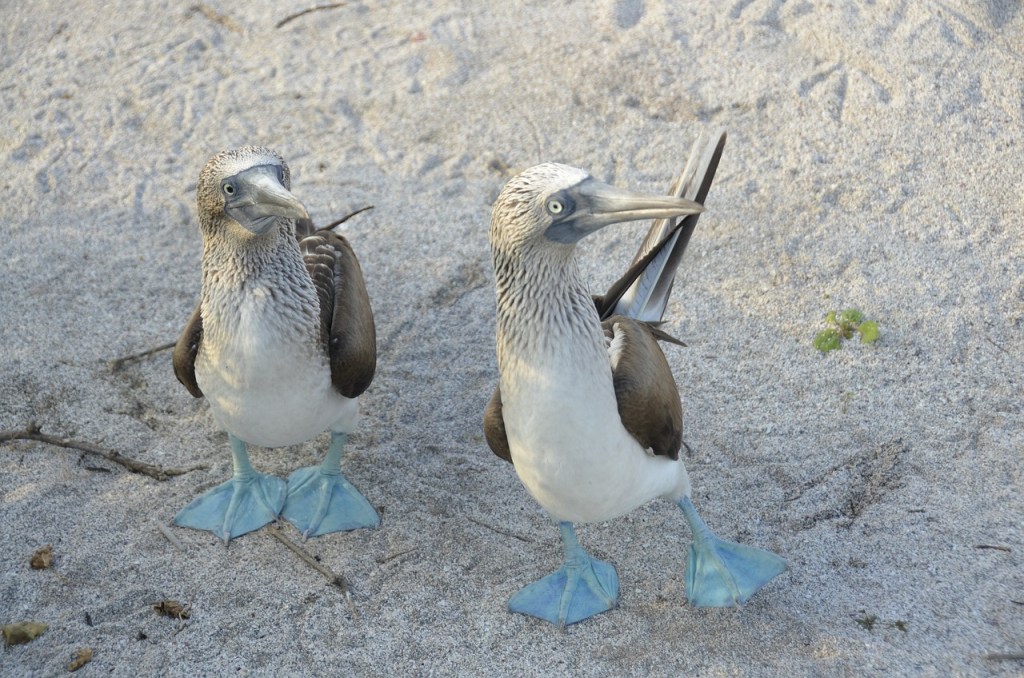
Someone told me my blog would fund if I posted a picture of a pair of boobies, so with deep confusion, here it is:
And very nice boobies they are! I guess there’s a lot of bird lovers around, yes?
Okay, ladies, gentlemen and small invertebrates: This here blog doesn’t write itself, the comments don’t manage themselves, and I spend a sizeable amount of my work day dealing with bloggy matters. My non-work days too, as Sunday must also be worked in, or I must do posting in advance. And don’t get me started about cons or vacations, particularly when in other time zones.
So, because it’s been brought to my attention that people actually like to be patrons of the arts — or in the case of this blog — the craft (No, not that craft, silly. Whatever this is, it ain’t witchcraft) I have set up three ways to help fund the blog.
(And yes, last year’s donors will get their rewards, even if I’ve been impossibly slow. No, I won’t bore you with why. I’ll just shut up and work on fulfilling promises.)
The first is Give Send Go. They forbid the use of incentives to donors. So if you give via GSG you’re doing it for the satisfaction of helping According to Hoyt stay up and for me to be compensated for my work. Yes, that total is scary but I never intended for it to be carried by GSG alone. That’s the funding goal for all methods, for the year. A keeping-track-of goal, you might say. To donate to Give Send Go: Link Here.
But if you want to get something for your donation, and particularly if you want to incentivize (totally a word) my fiction writing: I’ve started a substack called Chapter House, in which I’m serializing two novels, one fantasy and one Space Opera, at two chapters a week. (The idea is for Witch’s Daughter to get two new chapters on Wednesday, and Winter Prince two on Friday. because July is h*ll this year (Fun with DOCTORS! People and cat doctors. Yeah) these might slip for the next two/three weeks. After that they won’t. Go to Chapter House, read the free portion of the books, and consider subscribing to receive the updates. You get a chance to read the novels as they unroll and perhaps to talk/argue about them. You’ll also get them at the end in ebook format. (I’ll try to have a free story once a month or so, for the free subscribers, but no promises) Anyway, to subscribe to Chapter House, the link is: Here.
And for those of you who have Patreon and just want to donate in a system you already have, I have one of those, and I will be posting life events, and excised scenes, and art, and … well, be warned, likely cat stuff. Because I’m owned by cats. Anyway, to donate on Patreon, please: Go here.
Finally, if you must send things by snailmail, yes, we accept checks, cash, and cat pictures. Do not send pictures of our cats, though. We’ve already seen those.
There is a particular style to feminist whining. My “favorite” is the hundred meter synchronized competition in attributing male awkwardness or any form of marketing (even covers, which are a subset of traditional publishing, which is a business dominated by females and aimed at females) to malice and patriarchy. Even when — especially when — men suffer the exact same thing, and often twice as bad.
Like, you know, the way women are dressed and posed in science fiction and fantasy covers. Because REEEEE sexism and objectification of something. Midwit feminists — particularly males — are fond of doing parodies of those covers by posing males in those positions/similar outfits. Yes, it looks ridiculous. Let’s be fair, me, a blobby woman of late middle age would also look ridiculous.
The reason for that is that cover models, male or female are by definition beautiful, or at least attractive to the eye.
But the truly ridiculous thing, besides the “we hate men even more than you do” of the “male” feminists, is the fact that none of them — NONE — ever seem to look at genres where most of the writers and readers are women and therefore the marketing is ALL to women (as arguably it is these days in fantasy, but never mind.) Because there the male cover models are twice as objectified. Or, you know, displayed to borderline indecency, but — always — with the face cut off. Because who cares about the face? We’ll fantasize about that while gazing at the expanse of pecs, or something.
That, somehow, is not objectification or sexism, because it’s women doing it, and women lack the power, because women say they lack the power, and therefore it must be true, since women have the power to declare the way things are in our current day and age.
Er… Or at least that’s my observation.
In fact, feminist whining is strongest against offenses that never happened in the realm of ever.
For instance, some months (years? There’s been episodes over and over) there was synchronized 100 post whining on the subject of how male authors describe women’s breasts.
I have to say most of the quotes they were putting up sounded about as real as woke 8 year olds being afraid Trump will get elected and that they have to stop eating estradiol in their cheerios. Or something.
Because I read just about everything, from paleontology to romance, passing by such male-heavy fields as mil sf and thrillers. And I’ve been in writers’ groups with everyone from rawest beginners to bestsellers. And I’ve never found anyone — not one person, not even a beginner — describing a woman by talking about her pert breasts and stiff nipples. I think the only place that would be described like that (As opposed to referred to, in APPROPRIATE circumstances, like when the characters are in bed or in a sexual situation) is in erotica. And there simply AIN’T much erotica written by men, because there isn’t much erotica READ by men. It’s not that men are pure of heart. They’re simply more interested in visual representations of sex — like movies or pictures — than in writing. I suspect the only male-written erotica is Lesbian erotica, because every male writer starts out by having the bright idea that it will make him millions, before realizing that other men (and most lesbians) prefer to watch porn than reading it, and that — despite advertisements to the contrary — straight females don’t find lesbian porn sexy in the slightest. So, yeah, I have never read that.
But somehow, again, I suspect that those male-written faux pas are as imaginary as the woke 8 year olds who want mommy to explain why evil Republicans want to kill everyone.
Even if they were true, they wouldn’t be half as bizarre as the things I’ve read in (mostly romances and/or fan fic) written by women pertaining to male anatomy. From the idea that some men put out an electrical current through their parts, to penises of unusual size (really unusual. My favorite being the one that would have dragged on the ground. That one was SF too) to penises that bend and fold while erect (look, people, I don’t even have those parts, and they’re tried to retract into my body while reading that.) Or the way men talk. Or– I mean, if I were really mean I would pass them on to my male friends for mocking every time I stumbled on one of those. (Some of these authors are supposedly married. And have children. Who must have been virgin births because these women have obviously never seen a penis in real life.)
But I don’t. I don’t because my friends aren’t whiners. And because for the despised and mocked underclass to complain doesn’t do any good.
…. Am I saying that men are the despised and mocked underclass?
Yes, yes, I am. Particularly in cultural venues.
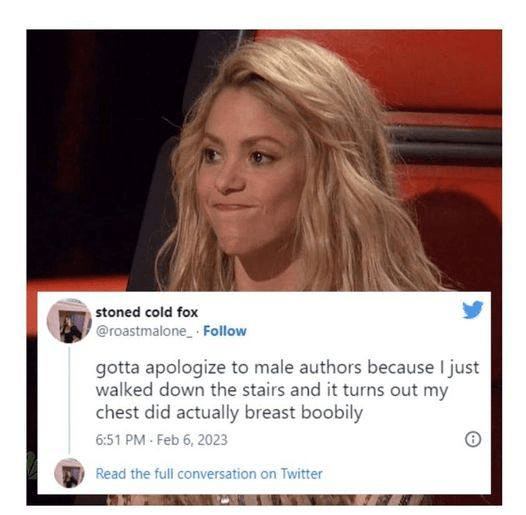
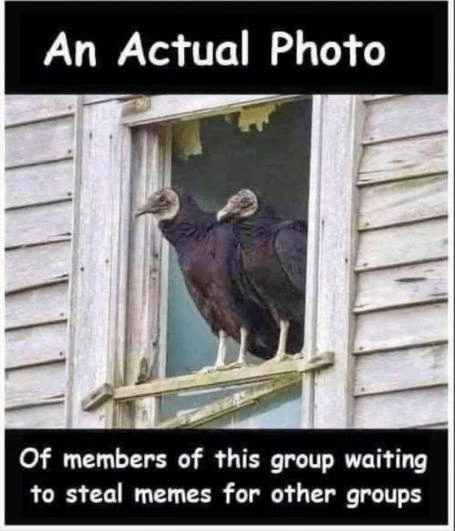
No, seriously. Take this … thing circulating, including in my groups:
Do you believe that? Because if you do, I have some land to sell you. In Florida. Maybe, sort of undersea, but what a bargain!
Seriously. Those of you who read a lot and across the board: Have you ever read any male author describing a woman’s chest as breasting boobily? Even in fanfic? Without its being ON PURPOSE TO BE FUNNY?
Because I not only haven’t, but I can’t imagine anyone doing it. And mind you, I have mentored writers’ groups composed of 14 year old boys. They just didn’t refer to women’s chests at all, and if pushed might drop something stupid in like “Big breasted.” (Though none of them ever did.)
Breasting boobily? REALLY? Not even the rawest of beginners. Unless they were on purpose trying to get your goat.
That this claim can be made in public and that people take it seriously and joke about it, as though men in general wrote like that, tells you what men are in the culture: The underclass, that can be safely mocked. And whose stupidity and sins everyone assumes to such an extent that no one even questions the stupidest and most unlikely accusations.
It was that way in black face acts, and in various vaudeville mocking either Jews or homosexuals, or whoever was in disfavor in whichever society at the time the act was performed.
There is always a group that is safe to laugh at and complain about. That’s always the despised minority.
Right now? That is men. Mostly straight men, though gay men aren’t treated all that well either.
That this is done while reeing about the patriarchy and muh feminist oppression is just the cherry on top of the self-delusion Sunday.
My G-d have pity on these deranged harpies, male and female both, when the worm turns (which it inevitably always does.) Those of us who have had about enough of their shit won’t.
I’m only sorry that decent females, including the ones yet unborn, will pay for the sins of these despicable hyenas who display their privilege by pretending oppression.
*TODAY’S POST — SUNDAY PROMO AND VIGNETTES — IS BELOW THIS ONE -S.A.H.*
Yes, blog funding is going fairly slow on all fronts, partly I think because of the times we’re in. It’s not that fewer people are giving, but that people in general are giving less.
This is not a complaint against the givers. I’m also giving slightly less. Because of the times we’re in. And no one should feel obligated or even hinted at to give more than they can afford. This is not an emergency fundraiser.
Mind you, this is not to say it’s not needed. For various reasons, but mostly a lot of death and illness, this year has been brutal on my fiction writing even if I’m feeling more capable of writing. It’s made the ol’ publishing pretty slow, which means yeah, less money. And you know what costs are. BUT this is known, it’s not an emergency, this is not a rescue (I promised I’d never ask for another of those, after all) and we’ll be fine.
Still, I might do the thing where I put a post up top, pinned, with the details of the fundraising, and then mention it at the end for a week every three months or so. For various reasons, I don’t like doing that. OTOH a lot of other bloggers have gone to more than one fundraiser a year because this year has been brutal for everyone, so it’s not like this is peculiar to me.
And here’s the important thing: Heinlein said that writing for free was immoral. And he was actually right.
How?
Well, the context he was saying it in was Ginny writing a free article for a skating magazine. Apparently the magazine just didn’t pay. But he said writing for free was immoral.
It is. If people are willing to write for free, it drives the value of all writing down. It wasn’t just that skating magazine. The more people were willing to write not-for-money the less magazines paid, till when I came in the field they were paying less than they’d paid in the fifties, for short stories, professional rates.
I’ll also note that in Portugal publishers just plain don’t pay — and do a lousy job of promoting, as a consequence — because the job of writing is so prestigious that all sorts of people will do it for free. So it has become a hobby for everyone, and only foreigners make money from Portuguese readers.
Now, of course, Ginny was doing it for fun, and perhaps for exposure.
I’m not a hundred percent sure how Heinlein would view the current market place for writing. Writing for fun and exposure is how everyone (including book authors) starts, in the hope of creating an audience who’ll want to pay them.
It is what I did in this blog, even when the exposure — in terms of selling the fiction — only sort of worked.
And I worked assiduously for years at building an audience who’d be willing to pay. I believe I have built that, at least if last year’s fundraiser is any indication.
Have I?
You can choose from Give Send Go, in which case you are donating to make it possible for me to keep this blog up and not lose my mind or get incredibly ill as …. as has been the case these last ten years. Give Send Go forbids incentive donations. So, that’s that.
If you want to donate to keep Sarah marginally healthier and saner while writing blog and books, please go here: Link Here.
If you wish to more directly support my fiction writing, other than by buying books (again, this helps me do things like pay my assistant, and maybe finally pay someone to revamp my blog) and this other means is part of the funding: Subscribe to my substack, where I’m serializing the novels Witch’s Daughter and Winter Prince. (Update on Witch’s Daughter up, and Winter Prince are up. Another chapter of Winter Prince being finished after this. We … uh…. had a middle of the night wake up. Yes, reasons. No, not health.)
Anyway, to subscribe to Chapter House, the link is: Here.
And finally, a few of you informed me you are Patreon Donors. I have no idea what to do with Patreon, since it has some issues copyright and other ways. BUT I will try to do a post once a week. My warning that it will be mostly about cats is, well… a warning. It can be tons of other things, such as art or an outtake on a past or future novel. And probably will be. Unless I’m mourning a very beloved kitten and share that. (Sorry.)
If you wish to send us books for next week’s promo,please email to bookpimping at outlook dot com. If you feel a need to re-promo the same book do so no more than once every six months(unless you’re me or my relative. Deal.) One book per author per week. Amazon links only. Oh, yeah, by clicking through and buying (anything, actually) through one of the links below, you will at no cost to you be giving a portion of your purchase to support ATH through our associates number. A COMMISSION IS EARNED FROM EACH PURCHASE.*Note that I haven’t read most of these books (my reading is eclectic and “craving led”,) and apply the usual cautions to buying. I reserve the right not to run any submission, if cover, blurb or anything else made me decide not to, at my sole discretion.– SAH
In the face of extinction, you do what you must, regardless of who stands in the way.
Tom Beadle only volunteered for NASA’s neighborhood watch program when his department said it would maybe help him get tenure.None of them counted on the Neighborhood Watch becoming a mortifying political liability when a malfunctioning probe accidently reveals an asteroid hiding behind the larger outer planets, setting off impact alarms– and politicians looking for blame. When their answer is to defund the Watch program and fire all involved, Tom’s only chance to save the earth is to lie through his teeth and try to deflect the asteroid under cover of harvesting rare not-of-this-earth elements. And even that may not work.
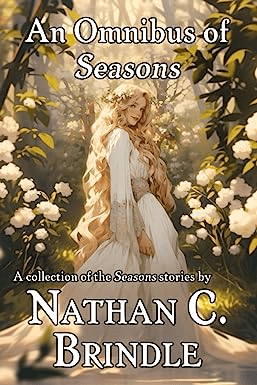
[Please note that this book collects the three Seasons stories previously published individually in e-book format — “Saving The Spring”, “A Midsummer Night’s Hunt”, and “Autumn’s Smile”. There is no new material; this edition is intended only to provide a physical paperback alternative.]
Despite Ragnarok, gods still walk the world.
Odin All-Father still cares for his human children. And at his order, Midgard is protected by four surviving Asgardian “royals” who control the climate: The Queens of Spring and Autumn, and the Kings of Summer and Winter. Loki the Trickster hates Midgard, wishing it to freeze over and become more Cold Lands. Challenging the King of Winter to single combat, his malignant trickery is responsible for the New Madrid earthquakes in 1811-12, the Year Without a Summer (1816), and the Deep Snow of 1830-31. Can the other three royals combine their powers to prevent the world from falling into another (and likely permanent) Ice Age?
“Fans of Alma T.C. Boykin and Tom Rogneby will love this short story. It begins as a road trip with a couple of middle-aged snowbirds (well-armed ones) and turns into a fight for life, honor, and the immortal love of a lady as old as time. The plot is delightfully clever, the action fast and furious and you will love the main characters as they forge a new destiny.” — L. Paul, reviewing Saving The Spring.
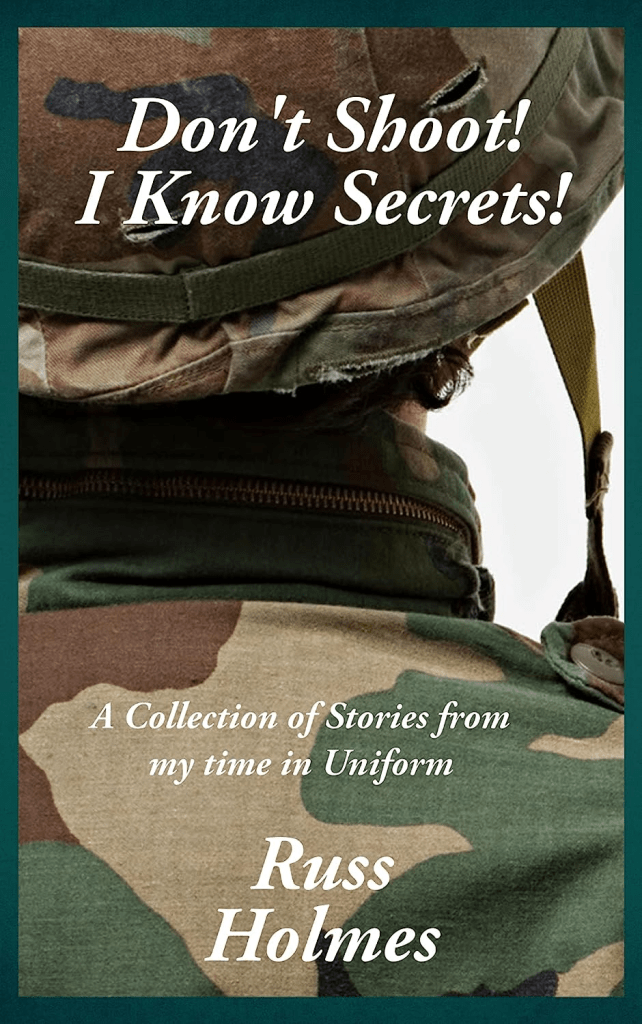
For many people in my life, my military time was a closed book. I realized that they had no clue about large portions of my life. Many of the things I did, saw, and experienced while in the Army were completely alien to them. I started writing out little stories for them to illustrate points or to show them why I was laughing at something.
So, what you have here is a collection of some of my stories strung together in an order as chronologically accurate as I can manage. These memories and stories are based on things I recollect, things that actually happened, things that might have happened, and things that in no way happened but are hilarious to me. Names may or may not have been changed. My goal with this epistle is to entertain and maybe, just maybe, make someone smile with recognition.
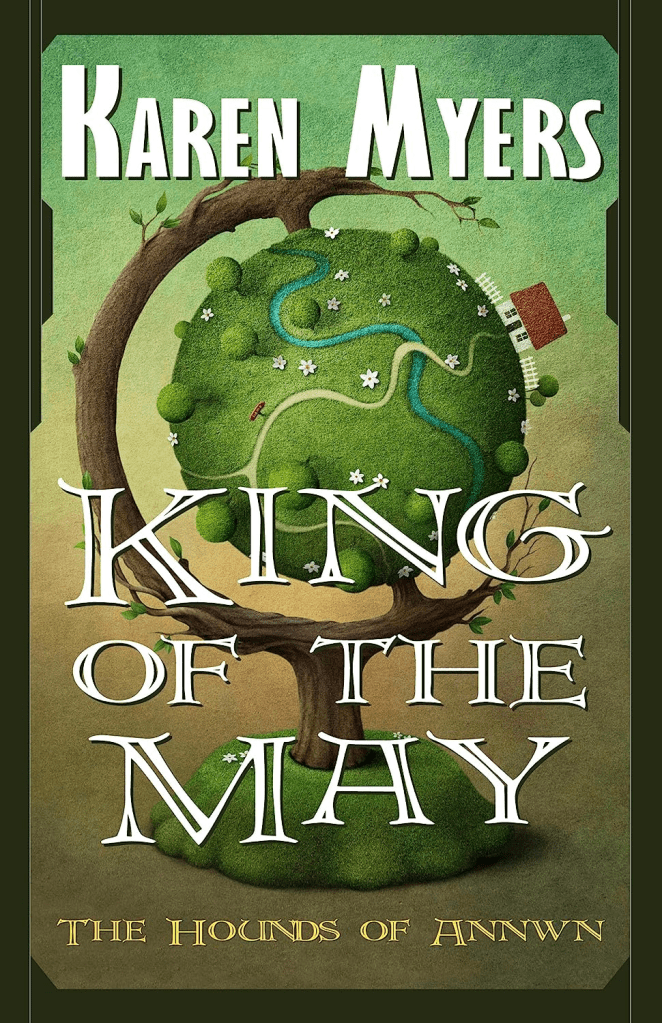
MORE VALUABLE AS A WEAPON THAN A KINGMAKER, HE MUST MAKE HIS OWN CHOICES TO SECURE THE FUTURE.
George Talbot Traherne, the human huntsman for the Wild Hunt, had hoped to settle into a quiet life with his new family, but it was not to be. Gwyn ap Nudd, Prince of Annwn, has plans to secure his domain in the new world from the overbearing interference of his father Lludd, the King of Britain.
The security of George’s family is bound to that of his overlord, and he vows to help. But when he and his companions stand against Lludd and his allies at court, disaster overturns all their plans and even threatens the Hounds of Annwn themselves.
George and his patron, the antlered god Cernunnos, must survive a subtle attack that undermines them both. Other gods and gods-to-be have taken an interest, but the fae are divided in their allegiances and fear the threat of deadly new powers in their unchanging lives.
George and his companions must save themselves if they are to persuade their potential allies to help. But how can they do so, attacked on so many fronts at once? Will he put his family into greater jeopardy by trying to defend them?
A rapid-fire western of the cow-country of Arizona!
When Hall McIvor of Kentucky rode into this harsh land, his first taste of Arizona hospitality was to be ambushed and threatened with lynching by the Scarborough brothers, for the crime of being “one of the Bassetts”. The fact that he was new to these parts was neither here nor there to them.
Hall didn’t care for feuds, he was here on a mission to end one himself, by means of marrying a girl from a clan his own people had been in feud with for generations. But intrigues, double-games, and hot flying lead would pull him into this one, too, until he finally dealt .45 calibre justice to The Man-Killers!
This iktaPOP Media edition includes a new introduction giving genre and historical context.
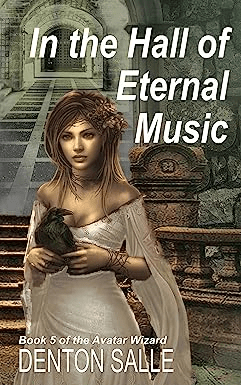
“With this sword, I can even slay the volkh lordling, were he not hiding behind his dwarven puppet”
Jeremy and Galena traveled with Bolgor to his home city, only to find the legendary city of the dwarves torn apart by politics. What was to be a pleasant visit turned into a struggle against the Dark attempts to corrupt it from within.
The young wizard, his bear-shifter lady, and his dwarven sword brother must find a way to deal with different political parties, monsters, and assassination attempts. They have to find the instigator in a different culture with very different rules. Rules that separate Jeremy from Galena. Among a people many of whom think the volkh are frauds.
And the fall of this city to Darkness would lead to a new reign of terror as its satellite cities fall and a new Dark Empire arises in the North. Only Jeremy and his friends stand in the way of a new age of war and the bloodshed that will bring.
Click above to join Jeremy as he faces the latest challenge of the dark. A challenge that threatens not only those he loves but an entire civilization and perhaps the world. If you like adventures set in a unique magical world, you will love the latest in the Avatar Wizard series.
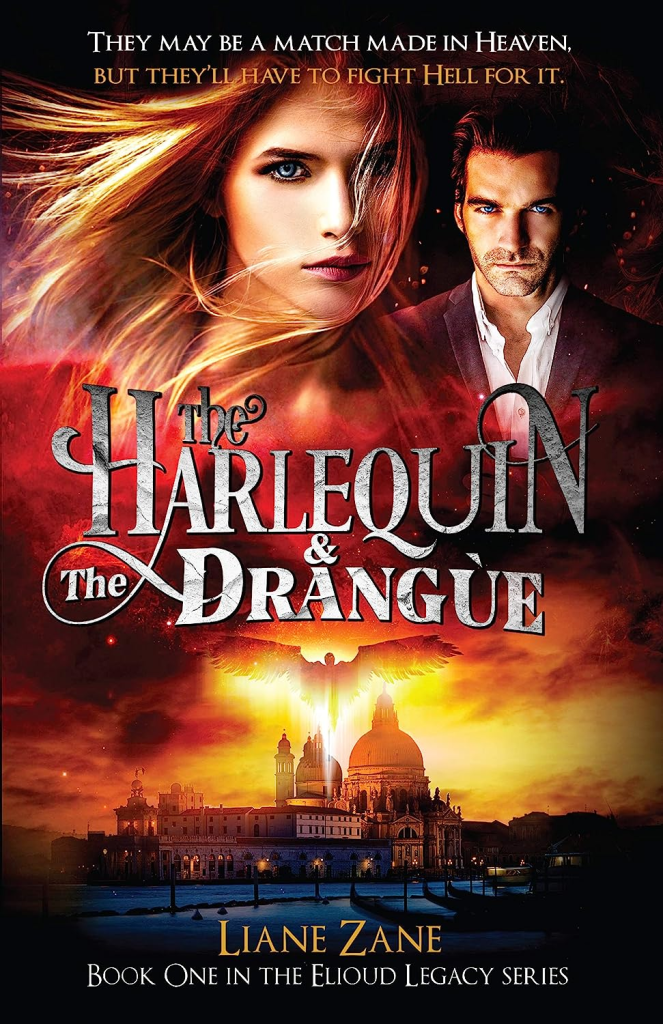
Olivia Markham lives a complicated life. By day, she is a star CIA officer working a cover as a graduate student in Vienna. By night, she is a self-appointed, kick-ass superhero wearing a harlequin’s hood and wielding a wicked bō.
Life is about to get more complicated.
The sexual predator that Olivia tracks one July evening to Vienna’s Stadtpark calls himself Asmodeus, a demon’s name. Olivia doesn’t care what he calls himself. She’s just there to save an innocent young woman. What Olivia doesn’t know is that Asmodeus has followers he calls bogomili after an ancient sect of believers. She suddenly finds herself fighting to save her own life against these vicious, soulless creatures whose mission is to release souls from the bonds of a corrupt world.
Across the Stadtpark another hears Olivia’s battle with the bogomili. He is a drangùe, a powerful warrior with supernatural abilities who is duty bound to save innocents from Asmodeus. This drangùe will stop at nothing to defeat his age-old enemy—even if it means risking everything to bring Olivia into his world. A world in which the drangùe has his own cover identity. He has good reason to distrust this beautiful young woman who hides secrets that could get him killed or worse…. But the drangùe must keep Olivia close in order to stay one step ahead of Asmodeus. The only problem is that the closer he keeps her, the more the drangùe wants to keep Olivia in his life. And that is not part of his long-term battle plans.
The library holds many marvels. Lena and her betrothed Erion had found things that helped the beleaguered Celestians of the city.
But when the king’s caprice decides to sacrifice Erion to protect himself, Lena can only hope a legend can help her. A legend of just kings. And lions.
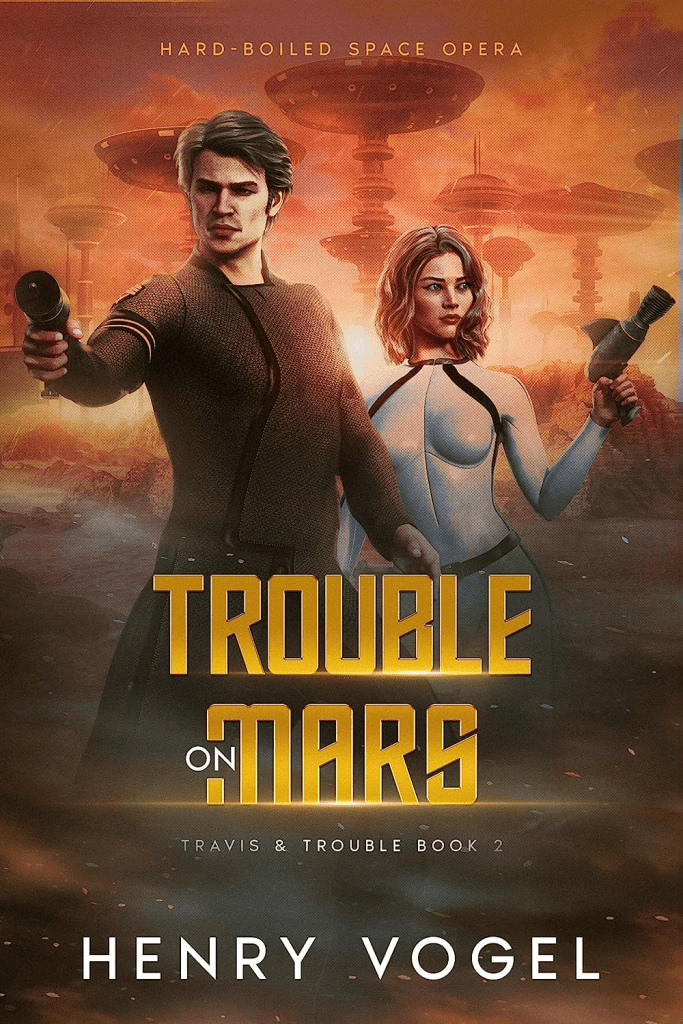
I always keep my word. That’s why I’m headed back to Mars for a case. That’s also why the Spiffies – Space Patrol Intelligence Force – came sniffing around my office. I told them to get lost. They told me my case had connections to their search for the Bloodsword, the pirate ship that destroyed my first command and cost me my career in Space Patrol
But my case has roots far older than my six-year quest for vengeance against the Bloodsword. Roots that stretch back to the dawn of Martian civilization.
And Trouble, my partner and lover, is right smack in the middle of it all.
This is what happened this month, is it really something anyone should be proud of? I’m just continuing to track the daily news, trying to analyze it, whatever observations come to mind. The title came to mind very early, we’ve really had enough of this. Our masters are tearing us down any way they can and they obviously have some large events coming up shortly. To be honest, I’m surprised we’ve lasted this long, but their plans aren’t always working out the way they intended. I know what we need to do about this and will continue putting this signal out as long as possible.
The B-side collects the comic strips I did throughout the month, The Struggling.
THIS NEXT ONE IS WITHOUT PERMISSION OF THE AUTHOR, WHO DID NOTHING TO MAKE ME LIKE HIM, EXCEPT WRITE A KICKING SERIES. FOR ALL I KNOW HE WOULDN’T ASSOCIATE WITH THE LIKES OF US. STILL A KICKING BOOK A LOT OF US HAVE BEEN WAITING FOR:
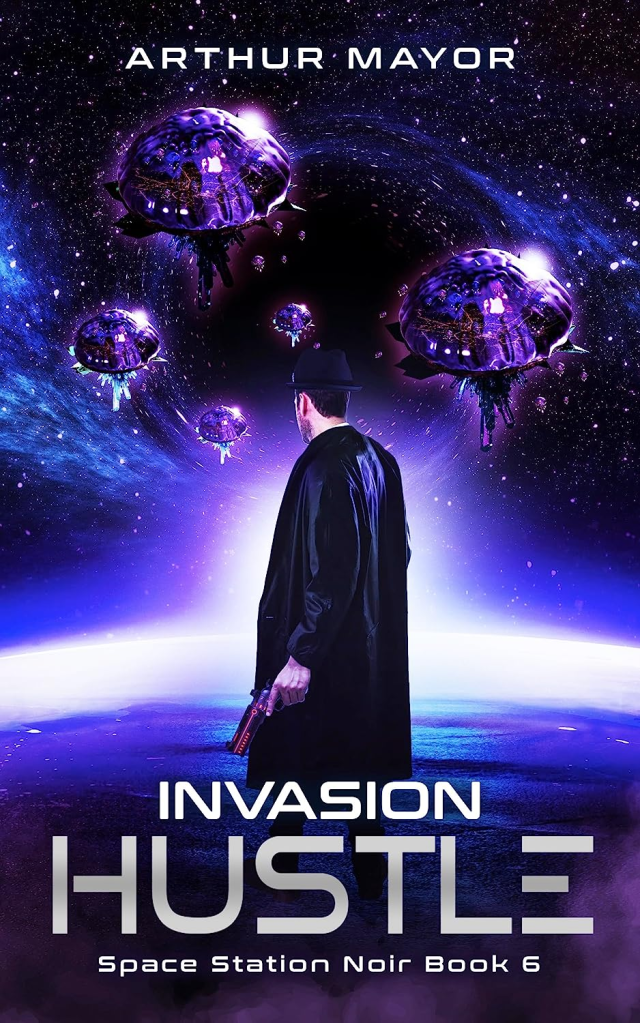
The war that collapsed the Empire is finally here.
The invasion force descends on Station Noir. The leaders in charge of its defense are dead or missing, so it’s up to Gunny and his team to organize a resistance before humanity’s last safe place in the galaxy is wiped away forever.
But a bigger threat is pulling the strings and it’s not finished with Gunny or the Station.
Can Gunny stop the armada, keep his crew safe, and unravel a centuries-old plot before it destroys them all?
If you enjoy non-stop action, interstellar intrigue, and galactic crime you will love Gunny’s thrilling adventures in Invasion Hustle, the 6th and final book of Space Station Noir. Get your copy today!
Vignettes by Luke, Mary Catelli and ‘Nother Mike.
So what’s a vignette? You might know them as flash fiction, or even just sketches. We will provide a prompt each Sunday that you can use directly (including it in your work) or just as an inspiration. You, in turn, will write about 50 words (yes, we are going for short shorts! Not even a Drabble 100 words, just half that!). Then post it! For an additional challenge, you can aim to make it exactly 50 words, if you like.
We recommend that if you have an original vignette, you post that as a new reply. If you are commenting on someone’s vignette, then post that as a reply to the vignette. Comments — this is writing practice, so comments should be aimed at helping someone be a better writer, not at crushing them. And since these are likely to be drafts, don’t jump up and down too hard on typos and grammar.
It has been suggested that I keep a discrete post up top indicating links on the side of the blog for the fundraising sites, so people can hit the tip when they feel like/have extra money.
What does the commentariat think?
I haven’t done it in the past mostly because idiots use this as proof that I don’t make enough as a fiction writer. But that’s not the calculus — though frankly, I’m just starting to ramp up the fiction writing again, as health recovers — it’s rather that I do this every day, and people seem to appreciate it, so it should be paid. I.e. it has a value. Besides, Heinlein said writing for free is immoral. And that tastes right to me. So perhaps it’s a remnant of sensitivity from the days when I had to look good to (traditional) publisher, even if it hurt.
Of course, I’ll have to hire someone to put in the links, because Dan has been working round the clock, and I can’t figure out how to put the links in when the blog is hosted by wordpress. (They’re…. special about links.)
Anyway, day five of blog funding. Slow but not stopped! Hanging fire at 11.5k
You can choose from Give Send Go, in which case you are donating to make it possible for me to keep this blog up and not lose my mind or get incredibly ill as …. as has been the case these last ten years. Give Send Go forbids incentive donations. So, that’s that.
If you want to donate to keep Sarah marginally healthier and saner while writing blog and books, please go here: Link Here.
If you wish to more directly support my fiction writing, other than by buying books (again, this helps me do things like pay my assistant, and maybe finally pay someone to revamp my blog) and this other means is part of the funding: Subscribe to my substack, where I’m serializing the novels Witch’s Daughter and Winter Prince. (Update on Witch’s Daughter up, and Winter Prince are up. Another chapter of Winter Prince being finished after this. We … uh…. had a middle of the night wake up. Yes, reasons. No, not health.)
Anyway, to subscribe to Chapter House, the link is: Here.
And finally, a few of you informed me you are Patreon Donors. I have no idea what to do with Patreon, since it has some issues copyright and other ways. BUT I will try to do a post once a week. My warning that it will be mostly about cats is, well… a warning. It can be tons of other things, such as art or an outtake on a past or future novel. And probably will be. Unless I’m mourning a very beloved kitten and share that. (Sorry.)
Finally, if you must send things by snailmail, yes, we accept checks, cash, cat toys* and gold coins. *Please do not send live rodents. It freaks the manager.
Welcome to day four of blog funding days. Yeah, I probably am not going to make anywhere near the total, because the first week are when most of the donations are, and even between GSG and Substack subscriptions, it doesn’t come close. BUT …. But it is what it is. And I still have to ASK, which is hard, but is the point. I mean, I put in about 30 hours a week on this blog, and if I don’t get funding, it makes it very hard to also write fiction.
So, fully aware of how difficult it was to pay on the blog pledges from last year (still will do it) this year is different.
You can choose from Give Send Go, in which case you are donating to make it possible for me to keep this blog up and not lose my mind or get incredibly ill as …. as has been the case these last ten years. Give Send Go forbids incentive donations. So, that’s that.
If you want to donate to keep Sarah marginally healthier and saner while writing blog and books, please go here: Link Here.
If you wish to more directly support my fiction writing, other than by buying books (again, this helps me do things like pay my assistant, and maybe finally pay someone to revamp my blog) and this other means is part of the funding: Subscribe to my substack, where I’m serializing the novels Witch’s Daughter and Winter Prince. (Update on Witch’s Daughter up, and Winter Prince will be up before midnight. This week is fun with doctors, so things are slightly mistimed.) Anyway, to subscribe to Chapter House, the link is: Here.
And finally, a few of you informed me you are Patreon Donors. I have no idea what to do with Patreon, since it has some issues copyright and other ways. BUT I will try to do a post once a week. My warning that it will be mostly about cats is, well… a warning. It can be tons of other things, such as art or an outtake on a past or future novel. And probably will be. Unless I’m mourning a very beloved kitten and share that. (Sorry.) Anyway, to donate on Patreon, please: Go here.
If you absolutely must send me a snailmail check, a drawing of a squirrel, or a picture of your cat, this is the address to send it to:
304 S. Jones Blvd, Suite 6771 Las Vegas, NV 89107
This brings day four of blog funding begging to a close. Real post is below this one. Have fun.