It’s always darkest before dawn is a funny statement. Is it? The few times I’ve been awake before dawn, it was a gradual lightening, so actually it was a little lighter, though I grant you it might appear darker, in the shadows, in comparison to the growing light.
Yes, that is a fine example of how my mind works. It’s also very relevant to our situation, because a lot of the things that people freak out about in societal and political matters are only visible because we have the net, and we have social media where we can talk back (thank you Elon) and we can see how dark things are in spots because they’re getting light in others.
For contrast see Europe where they’re sleep walking in utter darkness and don’t seem to notice anything is wrong.
But that’s not the point of this post. Or perhaps it is — sorry, I slept about four hours, and once this is up, I’m going to nap — because we are now in a changed information landscape, one for which none of us, not even broadly speaking the two political sides (there’s more than that, but broadly) have any referent or any model.
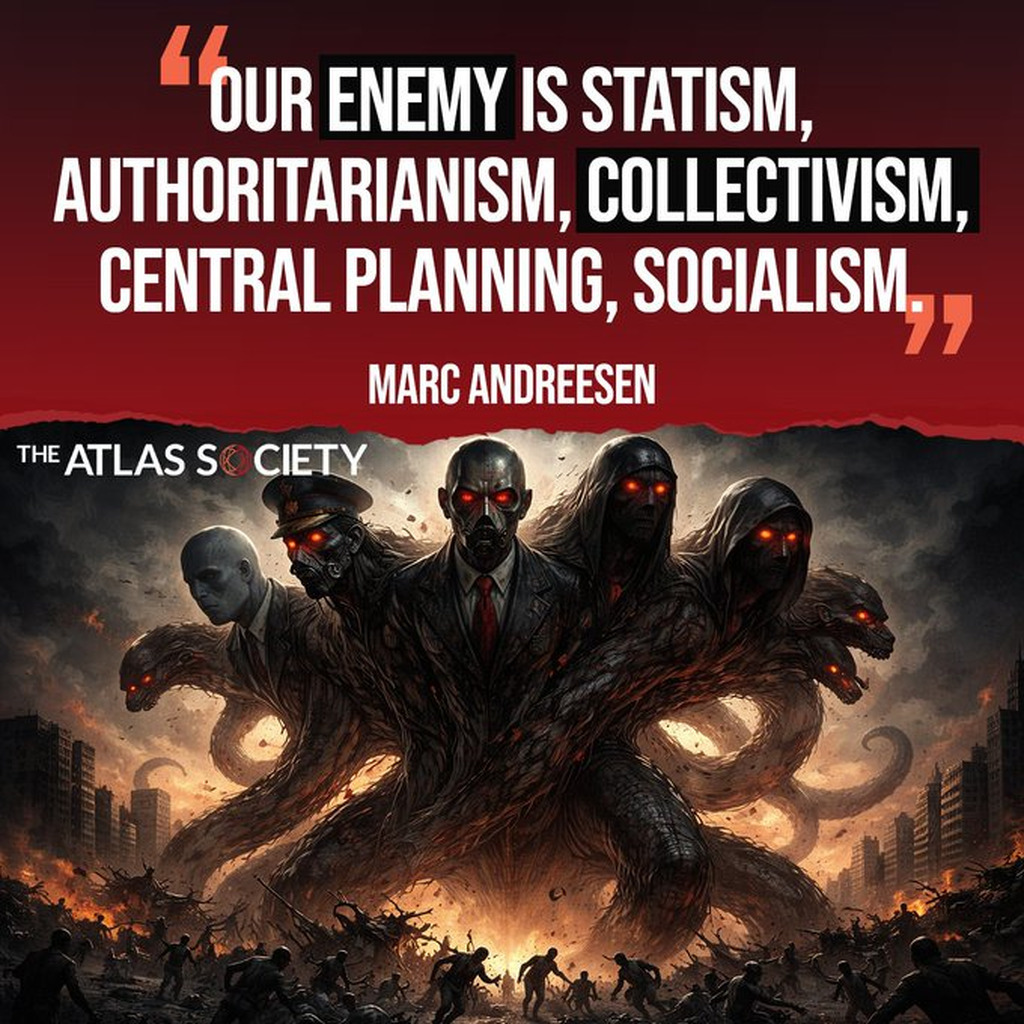
Which means that you can’t really know what will result from this or that, and only fools think they do. However, due to the fact things are changing towards greater individual knowledge and information (not to mention choice) technologically, the collectivists keep getting their asses handed to them by what they think are their greatest victories.
In a way Wile E. Coyote has become their spirit animal. Their plans are ever more elaborate and infallible. And they bite the planners in the *ss every time.
I’m writing this today because of Virginia yesterday. Fraud? Stupidity? I don’t know. And yes, there will be legal cases, but– Given that and the willful stalling of the SAVE act it’s putting the midterms in jeopardy.
Which normally wouldn’t freak me out AT ALL because well, it’s two years, we’ll come back. Except that the left is so rabidly insane, two years can be near lethal, and also they’ll try to rig everything so they never lose again, and so much of our electoral map is already f*cked beyond belief. And they really are going to try to push for executions and who knows what this time.
BUT then again, they already wanted to criminalize opposition during the reign of the auto-pen. And they wanted to do all manner of horrible things to us. Mostly they managed to do horrible economic damage to the point I was wondering if we’d survive, and we’re relatively economically secure with no kids in the house. And even if they don’t steal any more elections for a while, it’s going to take a long time to come back from it. Worse if they get another turn at the levers.
On the other hand, guys, I was pretty despondent and broken after watching the 2020 election stolen. If I could go back, would I go and fix that, given the power?
Not on your life. As much as it hurt and as much as it cost us, it changed the political landscape completely. Without 2020 2024 and everything that happened since would be impossible. It was their rigging of a color revolution that revealed who they are to a point everything changed.
Will it suck living tadpoles if they win the midterms? Oh, heck, don’t get me started. I saw my beloved Colorado stolen and despoiled.
Will it be the end?
I doubt it. Their time has passed. The tech is ranked against them. And they’re snakebit, anyway. Reality fights on our side, and they can’t find reality with two hands and a seeing eye dog.
It will be tough. Horrible. But it might prove their final undoing.
*The Amazon links in this post all use my associate’s link, and therefore I earn a small commission from your purchases, at no extra cost to you.
I have a list my assistant is compiling of authors to promote who answered the call by responding if they were not afraid of being associated with this blog. I will be post them in the evening, ten at a time. Hopefully you find some new reads. If nothing else, you know these people are fearless. – SAH*
Meet Pam Uphoff
I grew up in California, one of those horse-mad girls.
Horse books, Horse drawings, riding lessons . . . the parents finally surrendered when I was thirteen and bought a horse. And another. And another.
I still have two, a granddaughter and great grandson of my first very own, don’t-have-to-share-with-the-sisters, horse.
My reading slipped from horse and dog stories to science fiction, but even though I’m writing science fiction, there seem to be rather a lot of horses in the stories, somehow. And dinosaurs.
My stories in my favorite Fictional Universe, Wine of the Gods, are going up, book by book.
Pam Uphoff would like you to consider her book: Fancy Free
In the last parts of the Twenty-first century, AI, Artificial Intelligence is commonplace. Highly able computers, and nothing more . . . until some rare and as yet unidentified trigger creates an actual personality.
Artificial Personalities, APs or hals, are illegal. Destroyed upon discovery. Even Beowulf, the AP the government controls, and uses to hunt down emerging hals, isn’t legally recognized, has no right to existence. So you’d think that when the Special Grid Security Unit started paying extra attention to the area where a certain cooking show operates, Fancy Farmer—the AP who runs the show—would be concerned. But Fancy has a bigger problem. She’s been stolen.
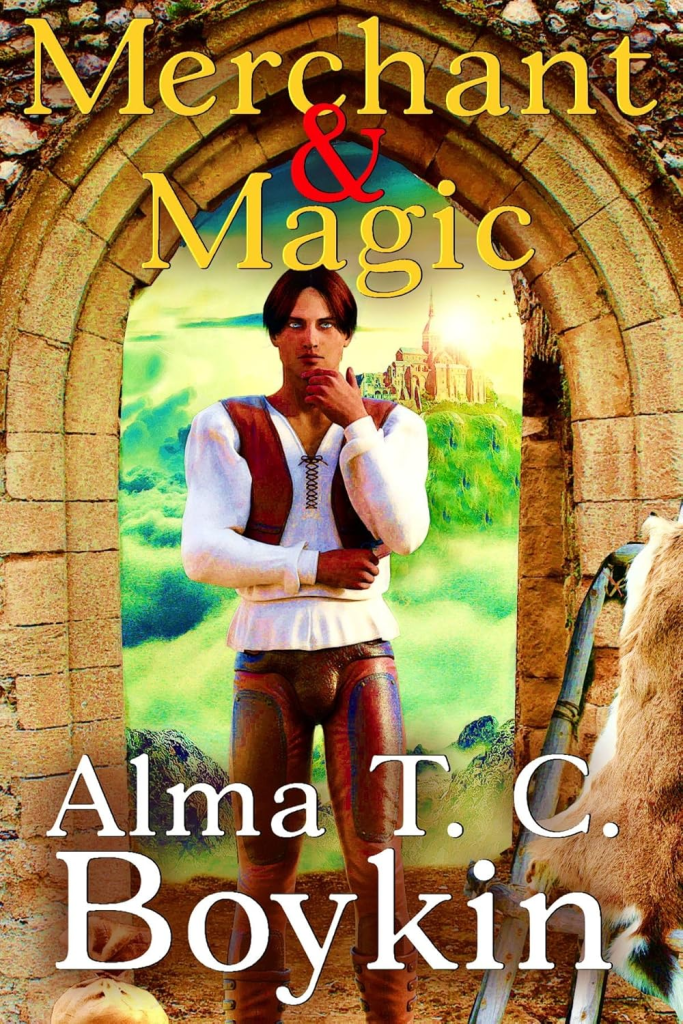
Meet Alma T. C. Boykin
I grew up devouring every kind of book I could get my hands on, then locked onto military history, fantasy, and science fiction. At age 16 I discovered military science fiction in the form of David Drake’s Hammers Slammers series and was hooked. I went to college Back East then returned to the High Plains of Texas and worked for a living, while reading anything that would stay still long enough. That career took me across the US, and eventually dumped me into graduate school. My specialty was history but since I still couldn’t stop reading, it shifted into a subfield that incorporated science as well as traditional history. Readers will find influences ranging from David Drake to Russian fairy tales to Eastern European history in my work, with some geology and agriculture blended in, and a dollop of humor.
I currently live on the High Plains once more, now with a grumpy calico cat and a large number of books. A pipe from the old organ at Stift Vorau, Austria resides on my desk.
Tycho Rhonarida Galnaar trades hides—hides tanned, hides untanned, with and without fleeces, nothing risky. He prefers steady, low-key trade, a quiet home life, and reliable business partners. Slow and steady bring wealth and do not draw the attention of nobles, thieves, or the gods. Especially not of the gods!
Counterfeit coin and cursed grain…
But the gods have other plans. Tycho’s secret—his absolute inability to work or even see magic in a world that depends on it—may be the key to solving a mystery, and saving a city. Tycho wants no part in mysteries or adventure. He’s a merchant, nothing more.
Trade is Tycho’s world. That world changes under his feet.
I write plot-first fantasy and science-fiction, where my characters fight tyrants and other monsters, escape murder charges and slavery, and occasionally save civilization as they know it. While they’re having these adventures, they also forge strong emotional connections with their comrades, but they come from cultures that do not treat physical intimacy lightly, and with all that danger around, they usually don’t have time for it anyway. If you like a little humor, a little romance, lots of adventure, and no explicit content, welcome! You’ve come to the right place. I write for readers who want meaningful romantic subplots without explicit content, and adventure that never gets sidelined by the love story.
I’ve traveled all over the world, but now I live in the American Midwest with my extended family. I have no cats, only a vacuum robot named Minnie, who probably would not play nicely with the feline species. My hobbies include film editing, bookbinding and finding writer support tasks for AI. However, I prefer to keep the actual story drafting (also known as the fun part) firmly in human hands.
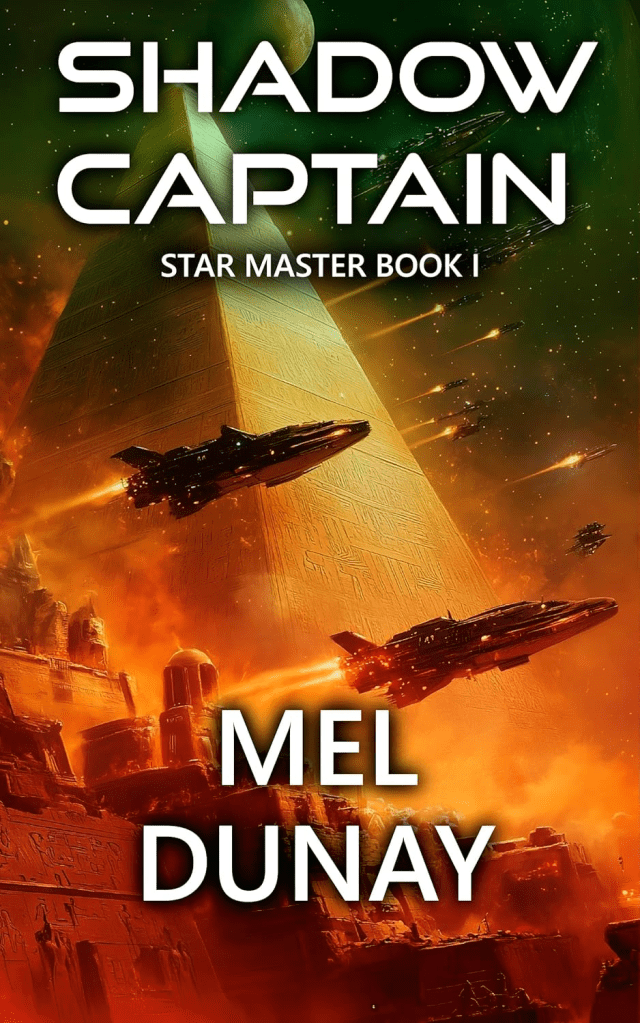
His one chance to escape slavery could trap his brother in a terrible fate! Jetay has been on the run with his brother for a long time, hiding his psychic powers from the evil Red Knights. Living as a slave on a star freighter, Jetay dreams of freeing himself and his brother, and of wielding his powers openly. On a frontier planet, Lady Lanati of the Partisan Alliance seeks his help for a secret mission. It will take him across the stars to the edge of a black hole, with a Red Knight chasing him every step of the way. He might finally get a chance to use his powers for good. But the price of that chance may be too high, putting his brother in grave danger. Can Jetay save himself and his brother without sacrificing Lanati and her friends? If he can’t find a way to save them all, the battle against evil may be over before it begins….
Mary Catelli is an avid reader of fantasy, science fiction, history, fairy tales, philosophy, folklore and a lot of other things. (Including the backs of cereal boxes.)
Which, in due course, overflowed into writing fantasy (and some science fiction).
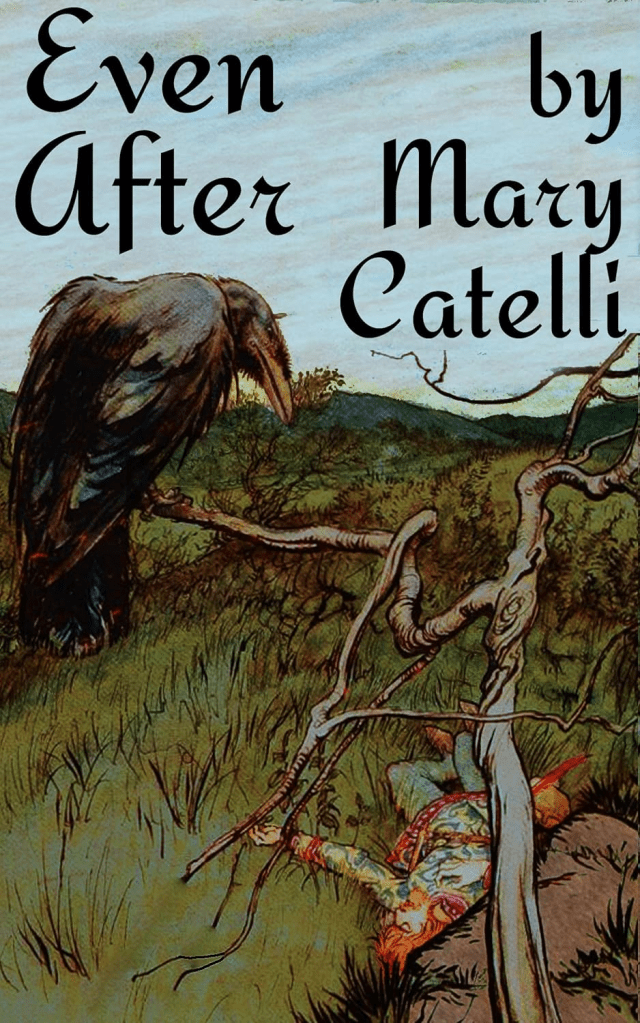
Mary Catelli would like you to consider her book: Even After
Mirror, mirror on the wall — can I be safe when I am tall?
Rumpelstiltskin got the baby.
Rapunzel and her prince never again met.
Snow White still sleeps in the forest.
Biancabella, Snow White’s half-sister, knows that if she is more beautiful than her mother, trouble will follow again. Her appeal to the magic mirror only gains her stories of how hard it is to fight the evil sorceresses and wizards and witches who have banded together to bring unhappy endings.
But with her mother seeking to constrain her, Biancabella knows she may have no choice to use that knowledge to attempt to escape.
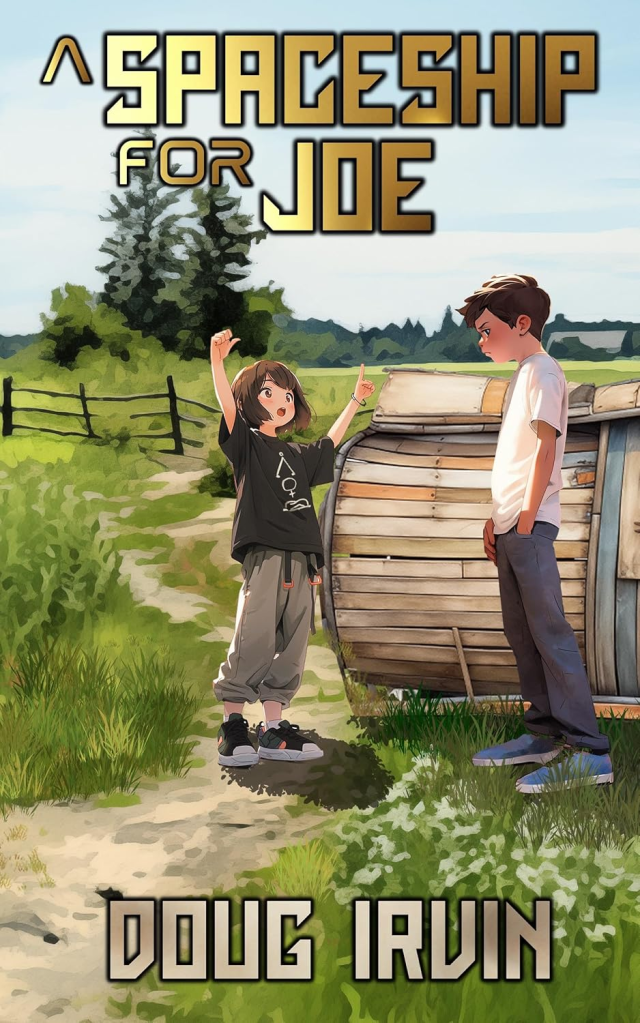
Meet Doug Irvin
Doug Irvin has been reading – and writing! – from an early age. In the early ’80’s he had the dubious honor of causing a couple of short story magazines to fold. He hopes that trait has ended!
Irvin writes in a variety of genres, but uses his own name for most.
Joe has a problem. It’s summer vacation, and all his friends are unavailable. One moved away, another is sick and the others are all gone for some reason or another. In desperation Joe looks for his uncle, who makes a suggestion that he build himself a fort, and even volunteers the space and materials for it. But Joe has other ideas. He doesn’t want a simple fort; he wants a spaceship! There’s just one problem with that. He built it too convincingly ….
Meet David Lloyd Sutton
Who is sane enough not to have anything like social media.
David Lloyd Sutton would like you to consider his book: Longest Run
Longest Run is set in North America a thousand years after nuclear war has knocked the tectonic plates off the table. Ecologies are in flux. People are trying to cope with the mess they have made. Since that mess includes humanity’s own genetic instability, Brand Levin is willingly engaged in a live-or-die wilderness proving trip; at stake his right to become a parent.
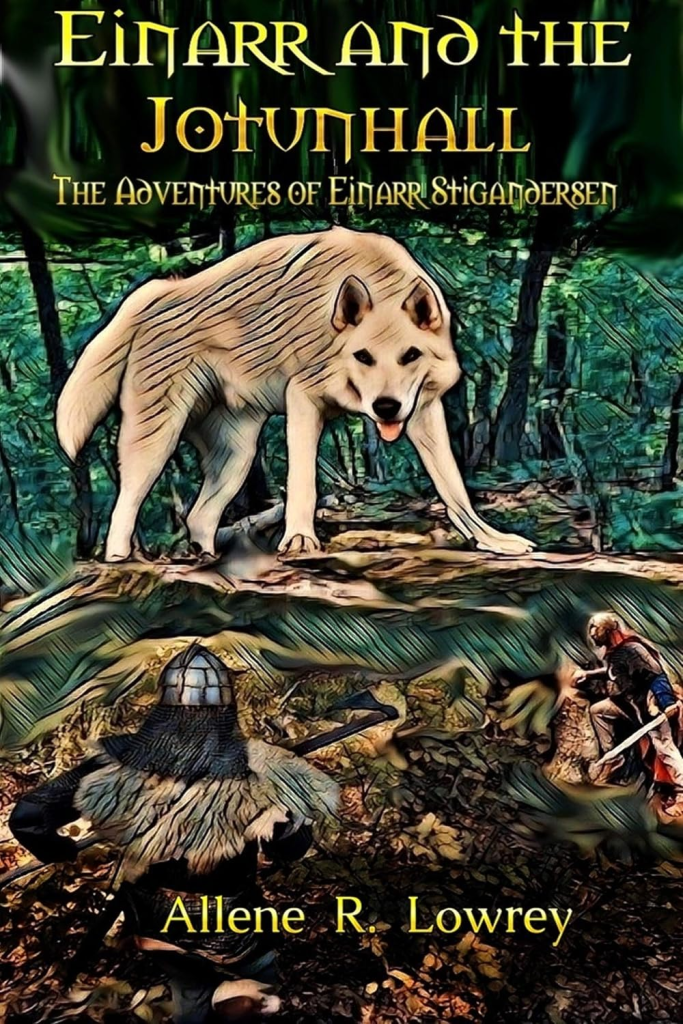
Meet Allene Lowrey
Allene Lowrey has been prone to flights of fancy for the better part of her existence, and has always been one to try putting them down on paper. She loves to play with mythology in her writing, especially in her fantasy.
Ever since she discovered the genre Allene has gravitated toward fantasy epics, although she does occasionally escape gravity’s pull to play around in other SF/F subgenres.
An Idaho native, Allene has also lived in Oregon and Indiana, and currently resides in Saipan with her husband and young son.
A foiled elopement. A giant’s treasure. An impossible quest that will almost certainly get him killed.
Once upon a time, Stigander Raenson was heir to a thanedom. Until a curse drove him, his family, and his crew out of their homes. For years, they have all wandered the cold seas looking for treasure, glory, and a way to end the curse.
Now Einarr, Stigander’s only son, lives a vagabond’s life on the sea, never giving much thought to the home he barely remembers. That is, until an unexpected squall and a pirate attack send them to winter at the Hall of his father’s childhood friend – and his beautiful daughter. The Jarl intends to marry her to an old man, but they only have eyes for each other.
A desperate gambit lands them both in trouble. Now Einarr has just a single season to convince the Jarl that he would be a worthy match for the Lady Runa, the Jarl’s only child. Will he return in one piece, or will the Jarl’s impossible quest be Einarr’s undoing?
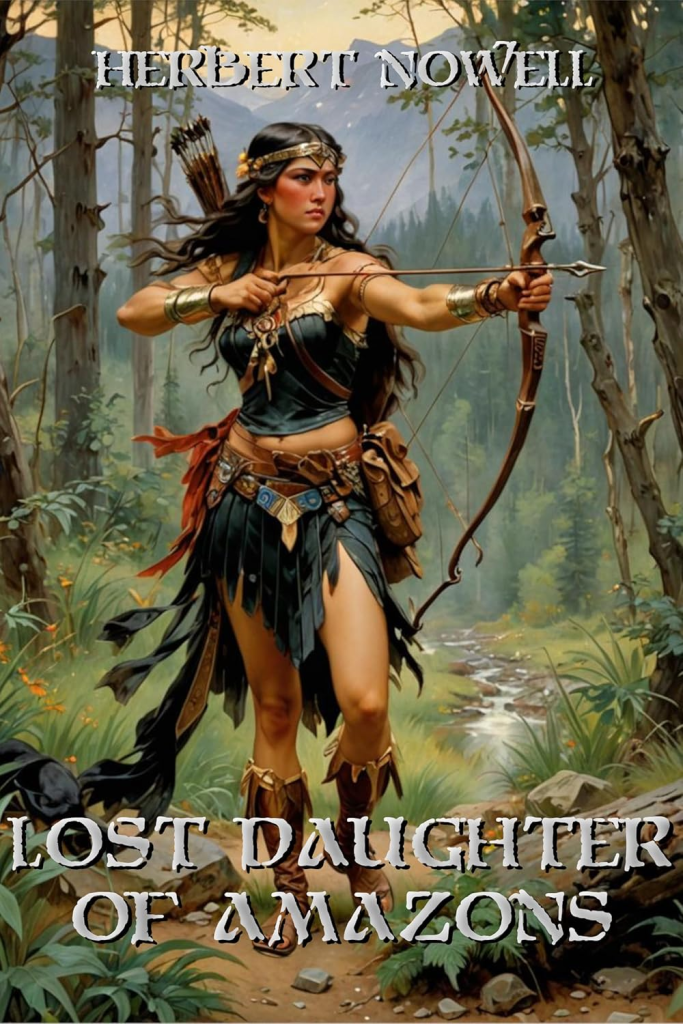
Leonides Tzimiskes served in the Imperial Legions for twenty years and riding into the sunset to collect his reward, a frontier villa and farm.
Then, in the town of Nikaia a young woman claiming to be a lost daughter of an Amazon challenged him to solve a local problem.
Now Leonides must choose between continuing to a life of ease that comes with a villa and rescuing people who might not want it.
And he must choose knowing that if he chooses the latter he might not live to collect the former.
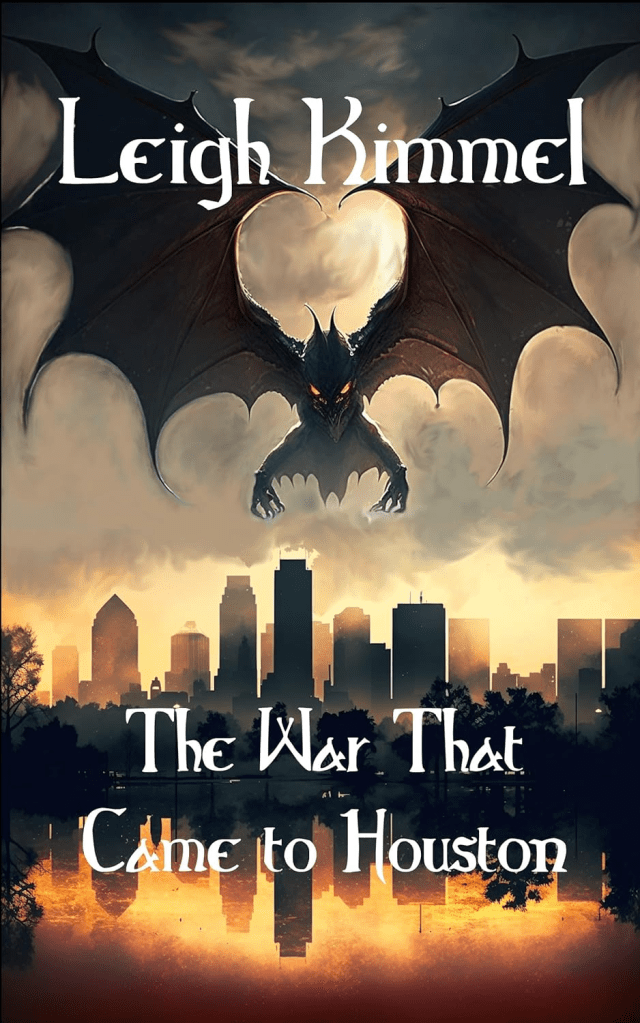
Meet Leigh Kimmel
I started writing stories in grade school because everyone was tired of listening to me tell them all about the world next door, where things went a little differently. Of course it was a long, hard road from those first eager scribbles about hidden worlds under or behind the ordinary one to my first professional sale. And then the sharp disappointment of watching it melt away to nothing when an embezzler stole the publisher’s finances and the magazine died stillborn. Sometimes it seemed like success existed only to be snatched away from me, so that I could be scolded and punished when I expressed dismay at yet another sharp disappointment. But finally a few magazines and anthologies survived long enough to see my words into print.
Meanwhile, I discovered the success that could come from publishing non-fiction. For a brief time I was bringing in a decent income writing articles for ready-reference publications. And then the housing market crashed, libraries cut their budgets, and that stream of income dried up.
So I built websites. I blogged. I built under and fought the tendency to become bitter. And all the time I kept on writing about the world next door, where things go just a little differently than in the fields where we know.
In the midst of preparations for a critical mission, Leland Andersen can’t afford the return of a childhood nightmare. Yet night after night the vision torments him, of an astronaut dying in flames.
Nora McKinzie is a Houston police officer — and a member of an ancient order founded to fight eldritch entities wherever they might flee. When she receives a warning that a sworn enemy is on the move again, her obligations come into conflict with each other.
Both of them are present when Johnson Space Center comes under attack by terrorists. And they both know that the official explanations don’t hold together.
Two people, one deadly secret — and an enemy from beyond time and space.
A novel of the Grissom timeline.
Previously serialized under the title A Separate War.
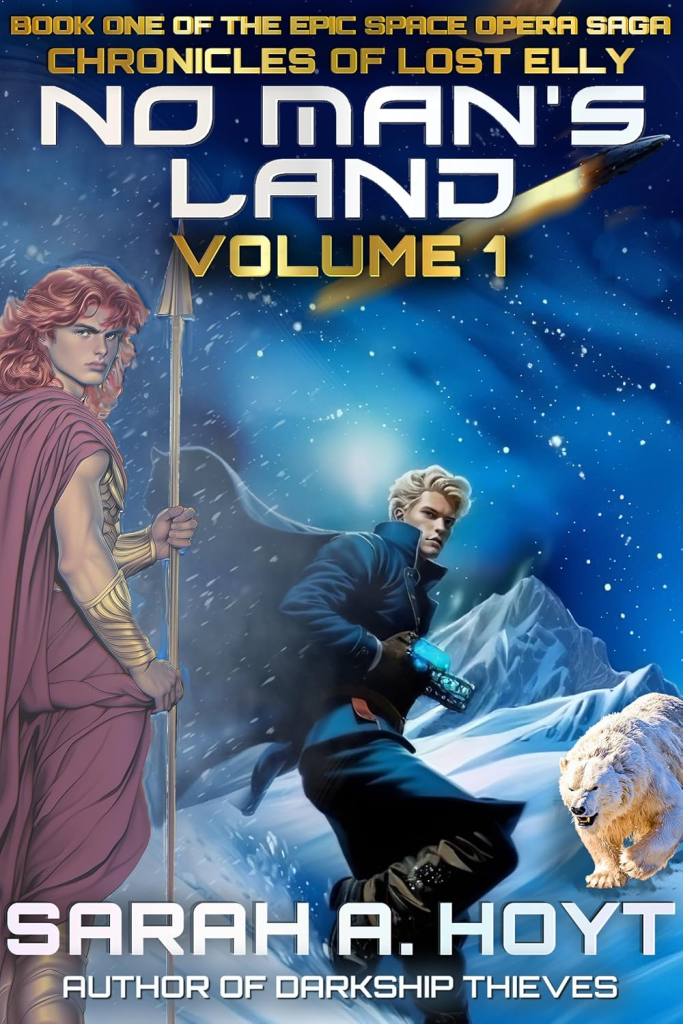
A dog returns to his vomit and a sow to her mire, and Sarah and the Clankers are back together and… well… not precisely live (not half of the group, at least) again.
This whole thing is fascinating, because I realized I’d skipped two important songs, the one for the birth of Selbur’s baby and the other Ad Leed listening to the gem playing. (The problem is you tube won’t let me reorganize the playlist. Sorry.)
And then, once I’d done that, it just kept pouring out, so there’s two more songs. I’m not going to apologize for the Looking For Home song. As weird as it is there isn’t anything even vaguely perverse going on, it’s the nature of the people of No Man’s Land, is all. This book is ridiculously wholesome despite itself. And if you read the book, you’ll sigh and say with me “Skip, you idiot.” Actually that also applies to the last song. Anyway.
One of my earliest “how things work” memories were of my parents having their house built. They did this when I was five and six. I think it took a year and a half, but it might have been longer, because construction used to take a long time, being done in a mostly artisanal way.
Anyway, before that, and I don’t know how long — but it’s tied in my brain with the idea of “how large is Portugal” being the size of my thumb nail at five, in our home globe — they bought land to build on. And I got to look at the deed of sale. My parents had been saving to buy land for a long time so they were very proud of themselves, and one or the other of them — probably dad, the geek — unrolled the deed for me to read.
I no longer remember the wording, but I retain the sense that the deed said the Portuguese state was graciously allowing my parents to hold this land, after which came the transaction certification that they’d bought the land from so and so for x amount.
At the time I remember this hit me as odd. What did the state have to do with the sale of a small parcel of land. It stayed with me enough that much later, when I was doing research in the city library (it’s not a lending library. More like an archive of important documents) I looked up old deeds of sale, and found that they’d just replaced the king’s name with the name of the Portuguese Republic. Because the conceit was that the entire country was the fiefdom of the king, and he was letting people hold portions of it. This was simply transferred to the state owning the country, etc.
Note I’m not a lawyer and my interest in Portuguese jurisprudence is less than zero. But at the time this was my understanding, and I bet it’s the understanding of many people there. Many people all over Europe, really.
As in, monarchy didn’t get vanquished so much as replaced with a collective, but he idea that the state has all power RIGHTLY over individuals remains. Because it’s always been like that and it will always be like that. It’s like when my school in an excess of revolutionary fervor in the seventies replaced the director with a directive committee. It just transferred authority to a group, it didn’t give the teachers — or heaven forfend — the students any real purchase or right on the power.
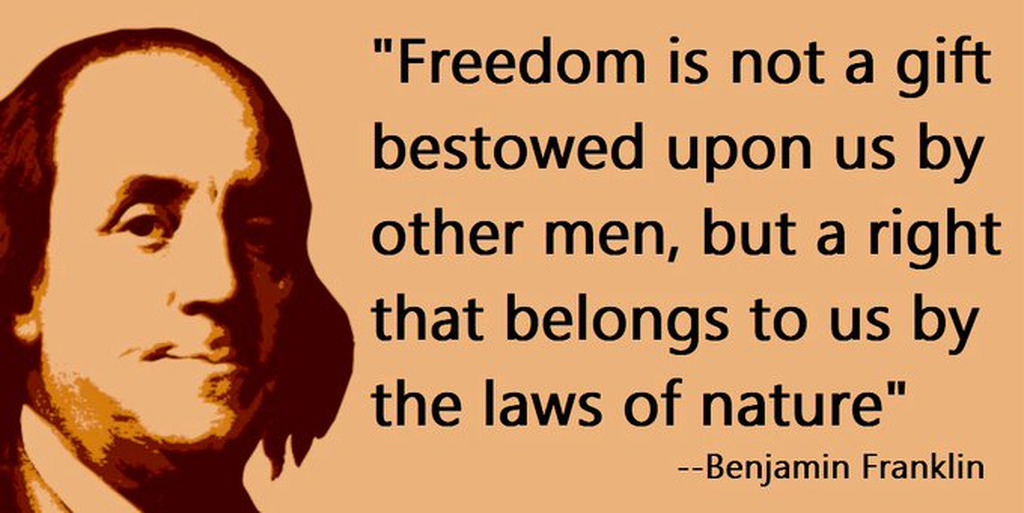
I was reading recently — and I’m sorry, I’ve slept since and I’ve been ill which means my memory is a mush so I can’t remember who except it was someone I admire — someone saying that the problem with what happened to the American state starting with Woodrow Wilson is that we replaced the idea of inalienable rights descending to us from “nature and nature’s G-d” with the state. With holding the rights the state lets us have and that’s it.
And since then the wheels have been if not off, turning very weirdly in this our American project. Because we more or less half-gave-up our project for the idea that Europe had the right idea for the future. Look, guys I don’t understand it any more than you do, but you can see it’s true. You can also see the idea was loose in the world when Heinlein makes some noise in The Moon Is A Harsh Mistress about our constitution being suitable for an agrarian republic but the industrial era needing something else. Pfui. (And I don’t think he was advocating it. Merely playing with it. He was, at heart, a constitutionalist.)
Because that’s not who or what we are. This was the illusion that everything would work better if centrally administered, which was brought to full flower in communism which is why it called itself “scientific.”
Because making widgets was easier mass produced and in a central location, it was assume everything was better mass produced, centralized and optimized for the most people, instead of tailored to the individual.
This as we know now is wrong. our idea of inalienable individual rights was indeed ahead of its time, as meshes well with the idea that economic decisions are best if made at the individual level. That is most efficient and in the end better for everyone. In fact, it is the only way to keep society from devolving into a dystopian nightmare, because the more the government controls, the more it wants to control and the more it entices the type of people who want to control others completely.
On this 250th anniversary it’s time to turn back to our declaration of independence and our constitution, which are the documents most appropriate to governing our people and making us strong and prosperous.
Now, is our way best for Europe? I don’t know. I mean, instinctively I want to say yes, and they would benefit greatly from adopting it.
Which is true. Except that… Cultures are stubborn things, and I don’t think the Europeans as they are now can understand or support our ideas of government. They’ve tried over a hundred years, and what a muck they’ve made of it.
At this point I’d say let’s each of us return to own ideas of government. We can choose to be free and they, if they are lucky, can choose to be owned by “benevolently” neglectful kings more intent on their pleasures than on controlling everyone and everything. Heaven knows, just having a monarch who views the kingdom as possessions not to be abused would be a vast improvement for them.
As for us, ladies, gentlemen and gentle-barbarians, let’s get back to our understanding of things and pare government down as close to the level of the individual as possible and keep the Federal government ONLY for essential duties ascribed to it by the constitution!
*The Amazon links in this post all use my associate’s link, and therefore I earn a small commission from your purchases, at no extra cost to you.
I have a list my assistant is compiling of authors to promote who answered the call by responding if they were not afraid of being associated with this blog. I will be post them in the evening, ten at a time. Hopefully you find some new reads. If nothing else, you know these people are fearless. – SAH*
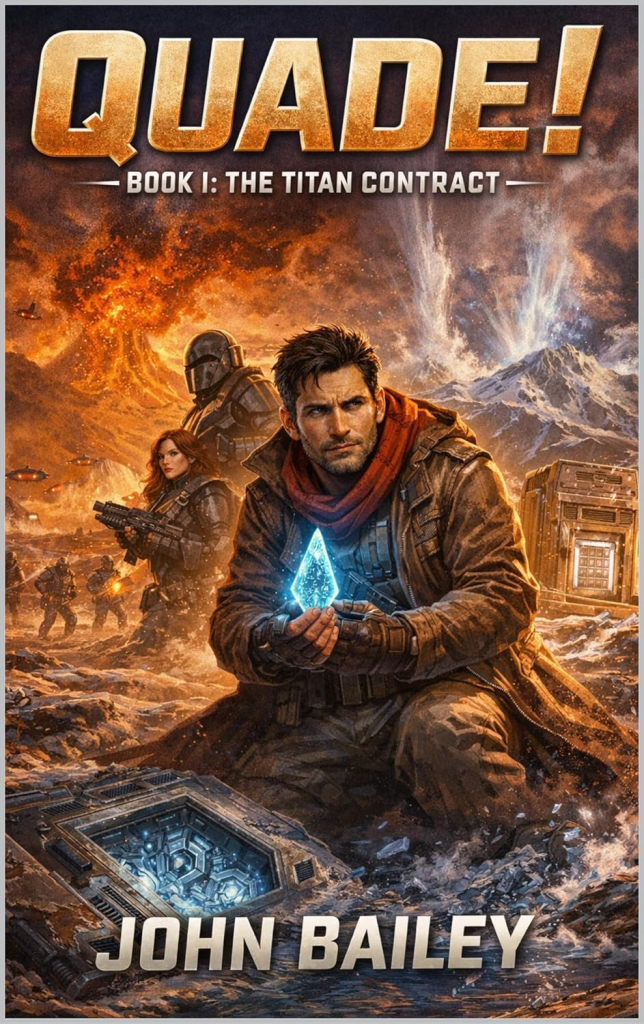
Meet John Bailey
John Bailey is a storyteller who traverses the ages—whether roaming the scorched deserts of Mars, the crumbling cathedrals of Reformation Europe, or the haunted back alleys of 1912 Shanghai. With a pen rooted in conviction and imagination, he writes tales where faith meets fire, where courage is tested, and where truth costs everything.
His works span genres but share a common spirit: from Flames of the Word: Stories of Reform and Renewal, which breathes life into the heroic journeys of the great Reformers and Bible translators, to Red Dust, Steam, and Glory, a collection of pulpy, high-octane spiritual adventures set among the stars, and The Phantom Atlas, a globe-spanning supernatural mystery set on the eve of modernity.
Drawing on deep historical research and a love of golden-age adventure, John crafts stories that are both thrilling and thoughtful—celebrating conviction, sacrifice, and the eternal battle between light and shadow. He writes for readers who hunger for meaning as much as excitement.
When not writing, John explores historical sites, teaches, and hikes through forgotten places with a notebook in hand. He lives in the American Southwest with his family and far too many books.
On Titan, survival isn’t guaranteed. Trust is even rarer.
Commander Elias Quade was preparing to retire.
Then the offer came.
A buried alien vault beneath the methane storms of Titan. A sealed artifact no one has opened. A private contract no one else will take.
The risk is extreme. The pay is exceptional.
But Quade quickly discovers he’s not alone.
A rival expedition—backed by the powerful Axiom Directorate—is already moving in. Corporate interference, sabotage, and cryovolcanic instability turn the mission into a race against time.
As drones fail, temperatures plummet, and the terrain fractures beneath their feet, Quade must rely on skill, discipline, and human resilience—not just machines—to survive.
What they recover will point to something far larger than a single artifact.
And someone is willing to reshape humanity’s future to control it.
The Titan Contract is the first novel in The Quade Expeditions, a hard science fiction survival series blending realistic space exploration, corporate rivalry, and high-stakes planetary danger.
Perfect for readers who enjoy:
Competent protagonists
Realistic technology
Survival against hostile environments
Moral tension without melodrama
The Expedition begins here.
X.com-@JohnBailey64182
Meet Frederick Gero Heimbach
Look for Frederick Gero Heimbach’s fiction in Analog Science Fiction and Fact and at Mysterion Online. He was editor of the podcast Protecting Project Pulp throughout its run. He can be found on the internet as Fredösphere and in the real world as a resident of Ann Arbor, Michigan, along with his family. He is the author of two novels: The Devil’s Dictum and Ronald Reagan’s Brilliant Bullet.
X.com- @Fredosphere
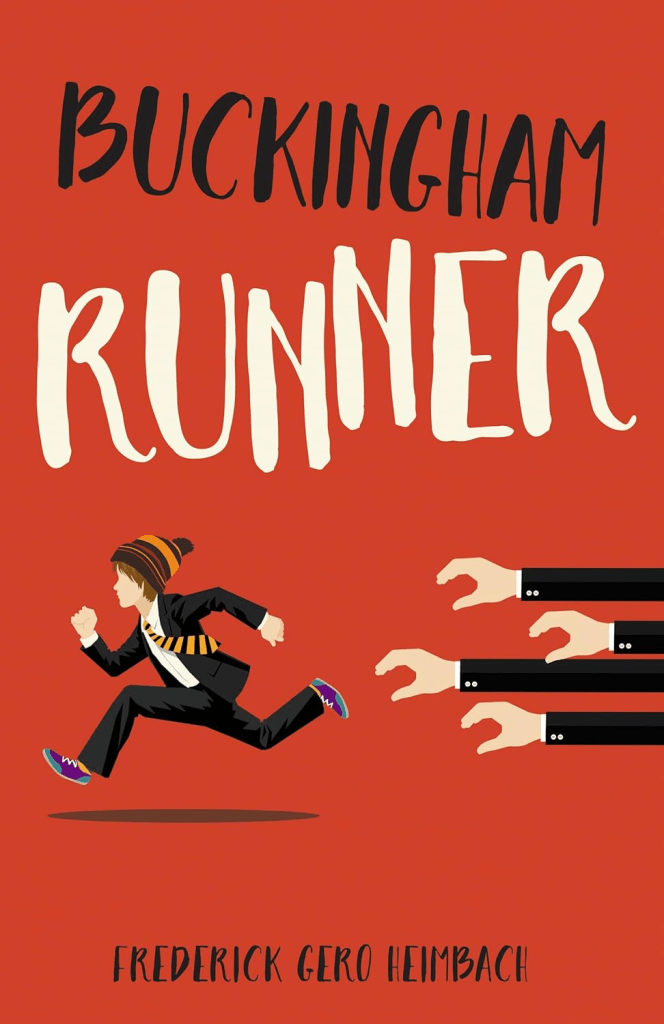
Frederick Gero Heimbach would like you to try his novel: Buckingham Runner
I’m sixteen and I’m living in a prison. It’s called Buckingham Palace. I’m Alfred, Prince of Wales.
My parents are dead. My grandma–the Queen–has lost her mind. My only friend is an alcoholic corgi named Wormwood. I’m being raised by bureaucrats. Who hate me.
The tabloids call me ROYAL BRAT. That’s for getting kicked out of Eton. For setting fire to the chapel. And stabbing the headmaster in the foot with a syringe.
I’m doing a runner. Someone’s got to help me!
Maybe those kids can. Yeah, them. In the Westminster School uniforms. The clever clogs, raising their hands, answering the teacher’s questions. The athlete, the genius, the girlboss, the babe. Each with a brilliant future. At Oxford. Or Cambridge.
Would they throw that away for my sake? Would they risk getting sacked from London’s top school to help a poor tosser like me? When guards are watching my every move, listening in on every conversation? Me, with a bloody GPS tracker in my hip?
I’m a hot mess. They’ve got it all together. I’m a prisoner. They can go anywhere. I’ll never escape–unless they take pity on me.They better. I’m this close to striking the match that burns Buckingham Palace to the ground.
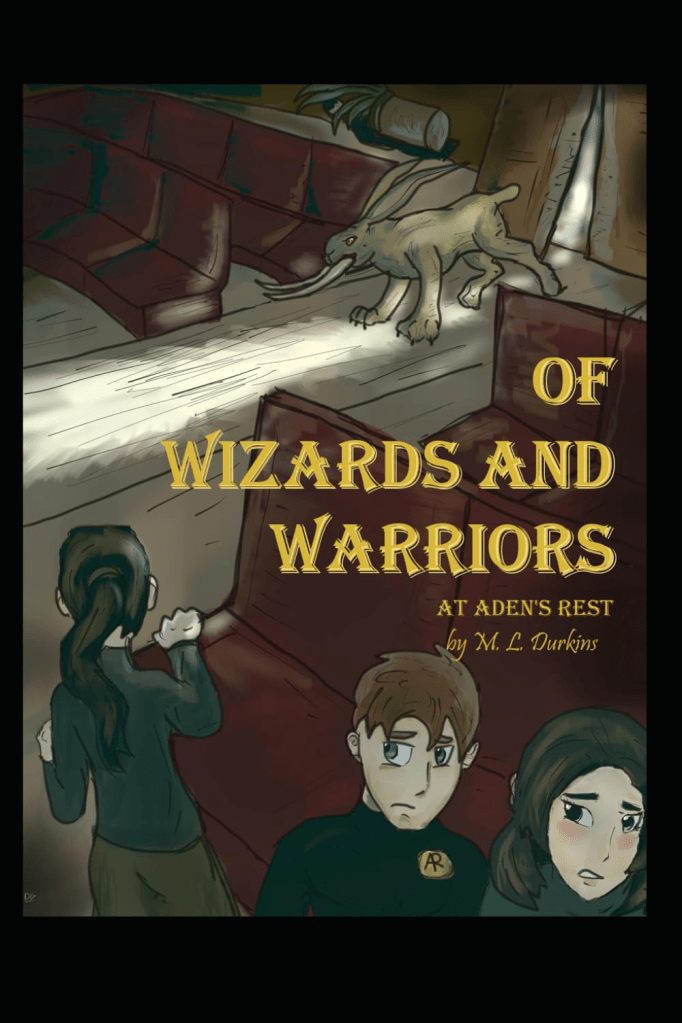
Students…swords…magic…monsters…what could possibly go wrong?No, this story would be different, Fred decided. This story was going to turn on them doing the right things to defeat the bad guy. And the first thing to do was to work together…
Parmea, a nation beset by barbarians and monsters on all sides, depends on the graduates of Aden’s Rest Academy and other schools like it to supply competent warriors and wizards to protect its people from the Vinrayid who are determined to conquer them. Fred and her best friend Cass are beginning their first year at Aden’s Rest. She has always longed to be a mighty warrior, and he has always dreamed of being a powerful mage. Will their dreams set them on the path to be the defenders Parmea needs?
Meet Kit Sun Cheah
Singapore’s first Hugo and Dragon Award nominated writer. A blogger and martial artist, he is the Herald of the Pulp Revolution, combining the aesthetics and mindset of the pulp era with modern-day tastes and tradecraft.
Author of the Covenant Chronicles and Song of Karma series.
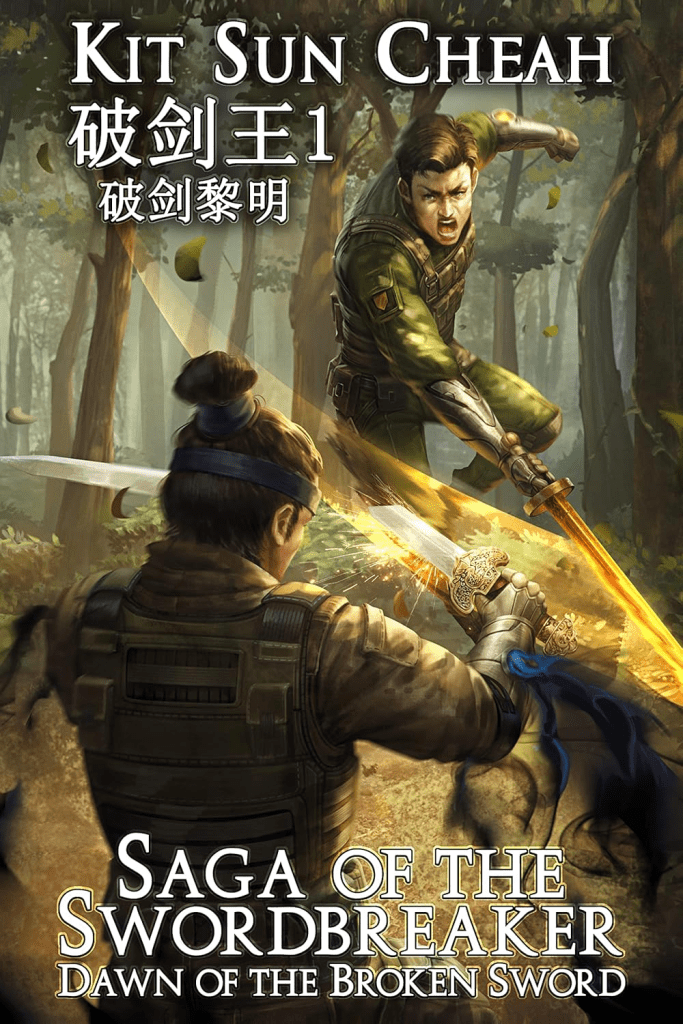
In the era of the Five States and Ten Corporations, the immortals of the jianghu stand head and shoulders above the masses. Li Ming aspires to join their ranks.
But the world of the rivers and lakes is fraught with peril. Deception and danger lurk in the shadows. Bloodthirsty beasts roam the wilds. Martial cultivators constantly battle for wealth, glory and status.
Armed with his ancestral swordbreaker, Li Ming enters the jianghu as a biaohang, eager to deliver justice with steel and magic—and to chase the dream of immortality.
But first, he must prove himself worthy.
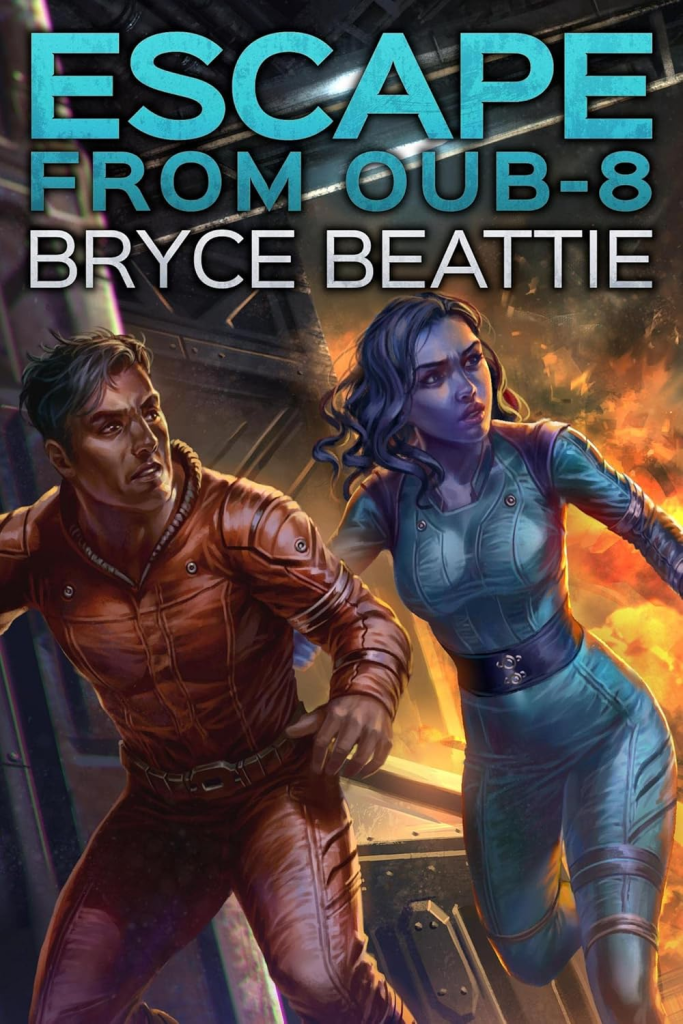
Meet Bryce Beatty
Sometimes I feel like I was born 70 years too late. I love big band jazz and swing dancing. I read pulp novels written by folks like Robert E. Howard, Edgar Rice Burroughs & Lester Dent. I often listen to old time radio programs. I dig the style of the 30’s and 40’s. But then again, I also love my Kindle, air conditioning, and YouTube, so maybe I’m lucky to be right when I am.
Other stuff: I’m very religious (LDS). Politically, I am libertarian. I love my family (a wife, three little girls, and a son). I love old pulp novels, radio theater, swing dancing, jazz and blues music, firearms, writing, reading and I believe in being prepared, laughing often, and showing respect to people around me.
Space pirates murdered his crew. Time for some payback.
Cavalier Burns is the first mate on an interstellar freighter, and his only goal in life is to someday become the captain of his own vessel. That dream is shattered when pirates assault his ship. It is only by accident that he is left alive. Burning with hatred toward his shipmates’ killers, he is willing to throw his life away if it means exacting revenge on the brutal aliens.
All that changes when he learns he’s not the only innocent on board the pirates’ space station. Now, Cav must race the clock and find a way to get everyone off the ugliest base he’s ever seen.
Fans of furious space-going action and adventure will love this short space opera.
Meet Adam Gulledge
X.com- @werewolftale
Adam Gulledge would like you to consider his book: Werewolf Tale
Days after he and a friend discover the victim of a werewolf, Alex Stryker is attacked and bitten.
As his wounds heal, his senses sharpen, and his anxiety around strangers mounts, he prepares for what he sees as a frightful transformation during the next full moon.
And what he may have to explain if his family or his friends ever find out what he is.
Meet Jerry Stratton
Jerry Stratton writes at Mimsy Were the Borogoves on politics, technology, and programming for all.
He studied Psychology at Cornell University and guitar at Musicians Institute in Hollywood, California.
He has appeared in at least one bad movie from the eighties and participated in at least one ill-fated pre-Internet hypermedia startup.
Twenty-five great ice creams and other frozen desserts from vintage cookbooks 1927 and up. Lemon Sorbet, Candy Cane, Cherry-Almond, Chocolate, Coffee, Cranberry, Mango, Maple, Peach, Peanut, Saffron, Vanilla, and Walnut! Including Italian and Russian.
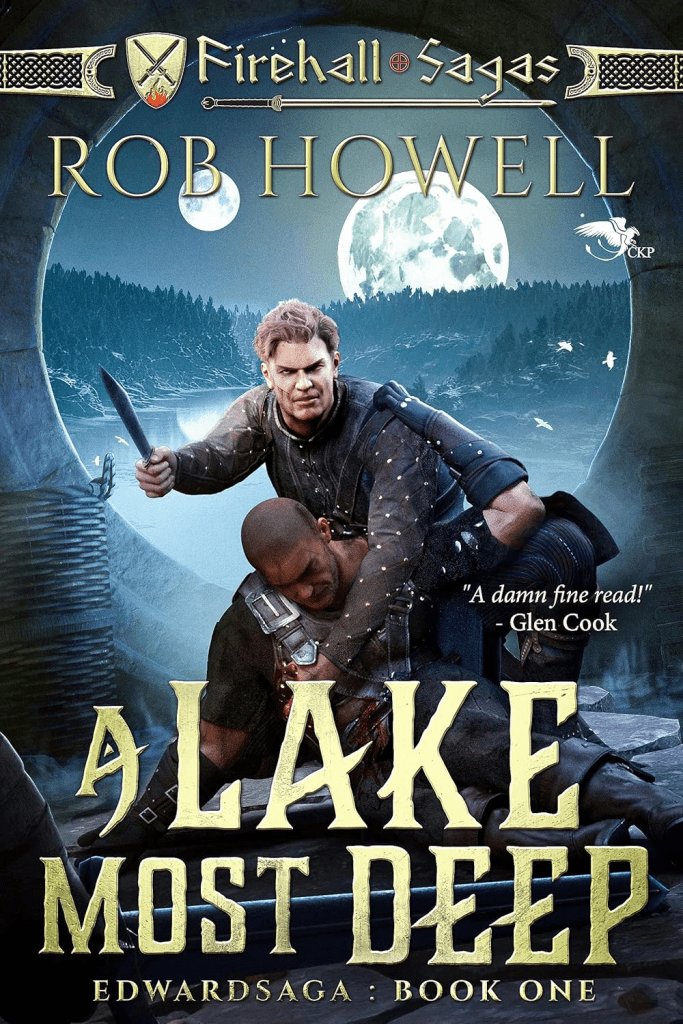
Meet Rob Howell
Rob Howell writes epic fantasy, space opera, military science fiction, alternate history and whatever else seems interesting.
He is a reformed medieval academic, a former IT professional, and a retired soda jerk.
His parents discovered quickly books were the only way to keep Rob quiet. He latched onto the Hardy Boys series first and then anything he could reach. Without books, it’s unlikely all three would have survived.
Now he and his wife run a quilt store, so he’s learned more about fabric and quilting than younger him ever believed possible. However, it means he’s surrounded by sewing machines, of which he has a healthy, non-irrational fear.
“Rob mixes intrigue, murder, and magic into his own cool blend.” – Larry Correia
Edward sought a future of honor and hope, but only got murder and mayhem.
He came to the Empire of Makhaira to join the Imperial Guard, who admit only the best. Instead, he pledges his sword—and his life—to an innkeeper rather than the emperor.
In a land known for intricate plots and ancestral enmities, the empire’s corruption seeks to end his life with knives in the night and hidden treachery. And he must face these blades while memories of a father slain, a king defied, and oaths broken threaten his soul.
Can he find the one bringing schism, death, and hate before that steel tastes his blood? Or will be just another who came to the empire to lose everything?
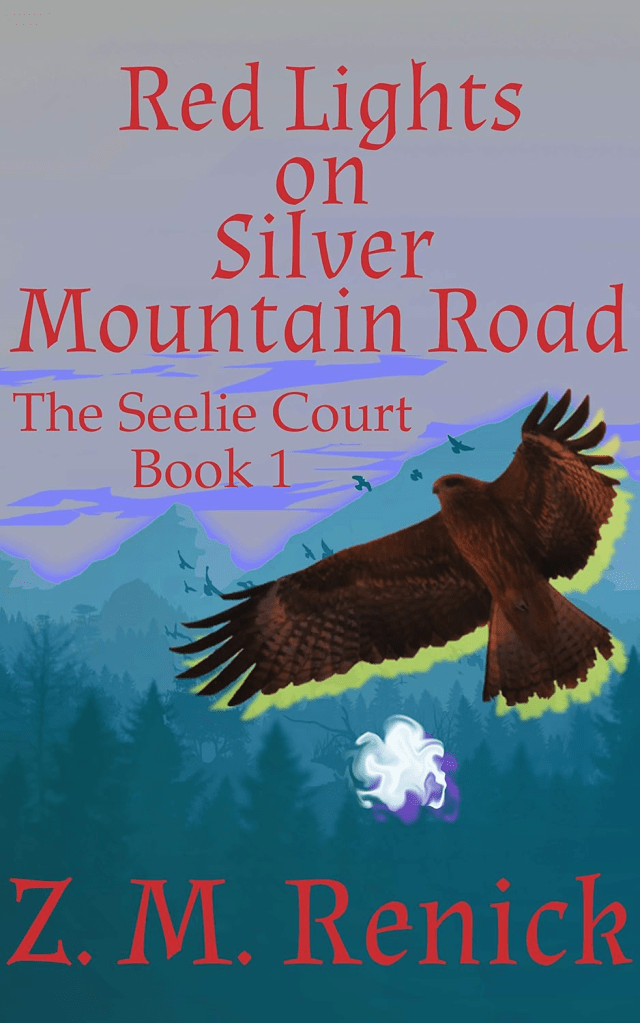
Meet Z. M. Renick
Z. M. Renick was born in Boulder, Colorado and spent almost all her life there until she went to Smith College in Northampton, Massachusetts. She returned to Boulder to do her PhD in theoretical computer science, then worked as a postdoctoral researcher in the related field of computational biology. She has also been writing science fiction and fantasy during the copious freetime that a PhD student and scientist usually has. As funding got shorter, however, her freetime grew more extensive, and there has been more time for writing.
Currently, she lives in Longmont with her husband, three-year-old daughter, and 80-lbs. Labrador retriever. When she’s not serving as the ringmaster of that particular circus, she’s working on putting out more books in the Seelie Court series, as well as creating other fantasy worlds.
Emma Greer became a deputy in order to help people, so when a friend suspects that his brother’s fatal crash on Silver Mountain Road was no accident, she’s eager to come to his aid. Trouble is, Emma doesn’t believe that the accident was arranged or even that it would be humanly possible for it to have been so. But she soon learns that what’s humanly possible is only the beginning of what can happen on Silver Mountain Road. Creatures unlike any Emma has ever imagined lurk along its shoulders, and an ancient evil has discovered a new way of committing murder. Emma must find a way to vanquish that evil, or she might become its next victim.
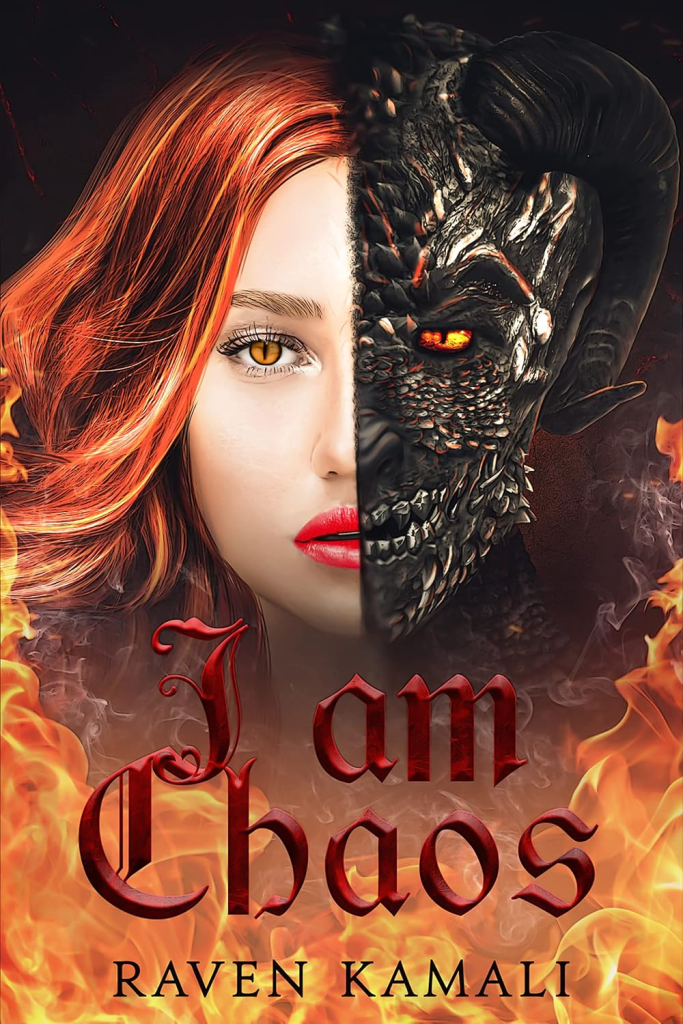
Meet Raven Kamali
Raven Kamali is a multi-genre author and poet based in Queensland, Australia. She writes both fiction and non-fiction, drawing on a diverse range of interests and experiences. She holds a degree in Ancient History and Latin, with a particular focus on the Roman Republic and the Julio-Claudian dynasty.
Her debut novella, “Adam”—a political science fiction story exploring the emergence of self-aware artificial intelligence—was originally published under the pseudonym “The Blue Raven”.
She is currently working on her next novel, a science fiction thriller titled “Lazarus”.
X.com-@Raven_Kamali
Raven Kamali would like you to consider her to consider her book: I am Chaos
A nobleman makes a deal with his evil twin. He will be given power and immortality, but he must first become his servant.
You know how I keep telling you not to fall for psy-ops? Well, egg on my face, because I at least half fell for this one.
In my defense, so did Trump and most of the media on the right. On the left, of course, they were in on the plot.
This is going to get far more uncomfortable than… well, than I’m comfortable with. This is not a religious blog. In fact for a long time I kept my religion as obscured as possible, because frankly the matters we work through here are rational and we should be able to argue them rationally.
In fact religion is one of the forbidden topics on this blog. Funny how that happens, innit? And I’m very uncomfortable talking about it where I know it will make a lot of you just as uncomfortable.
So, let’s lay down some parameters for this:
First, if you are an atheist, and a lot of my friends are, don’t try to argue this as a religious matter. Take the crazy parameters of what I tell you and what I say is how it works, and assume it’s my own little psychosis, shared with millions of people, and stay with that. The consequences of this mess are still important, if you know history.
Second, if you are a protestant, you can take a minute now, find a thick cushion and scream into it: REEEEEE PAPISTS. But don’t get into it in the comments. Do me the favor of believing that I am no more stupid or insane than you; that my route to my beliefs was not just “someone said to do this”; that I studied all the materials and re-upped — twice — of my own free will, the latest one being when I’d realized I had drifted so far I was more pagan than anything else. I’m not at this point interested in a discussion of the fine points of this or that belief. I have a religion and I’m fine where I am. Let’s not get in that fight, I had enough of that on twitter, with people who claim to share my faith.
Yes, what I am talking about is how in the last few days the media has been full of “The Pope berated Trump and kissed up to Islam and Trump is talking back — with a side order of the leftists being very upset that Trump posted a meme of himself as Jesus, which might or might not be it, since I remember that meme from January 25 as being of Trump as a healer, healing America. Goofy, but not Jesus — with a lot of people a lot them sane and decent people deciding the Pope was just a Chicago Communist and so on and so on, ad fricking nauseum.
I will confess I fell for it to an extent, or perhaps I rose to the bait. In my defense, I’m recovering from ear infection from hell, which — I have these a lot — is taking me longer to recover from than any of these has before. (Yeah, yeah, over sixty, but here’s the thing: I didn’t authorize any of this!) so I was a little more liable to sudden ’tism explaining.
So when someone shared a meme saying that Catholics couldn’t disagree with the pope I felt forced to quote retweet it explaining that no: we can’t disagree with the pope when he’s speaking ex cathedra, which is usually the culmination of discussions by theologians and always on theological matters. The last time a Pope spoke Ex-cathedra was 75 years ago. It is such a process that even Francis didn’t dare try something with it. Other than that, particularly when the pope is running his mouth on politics (and I confess I thought he was) I’m as entitled to disagree with him as with Joe Schmoe on the street.
This brought the world’s stupidest answers, almost certainly from non-Catholics, one of them informing me that that was “cafeteria Catholicism” and I was being an hypocrite — no. I’m being a Catholic. The rules haven’t changed. — and another basically screaming that no, Catholics had to do everything the pope said. That one was cute. Stupid but cute.
Then I had the horrifying experience of seeing someone who identified as a priest — though I’m informed that he’s uh… how do I put this…. the lavender mafia tells him “whoa boy, too far” — tweeting “If you are against the Pope you can’t be Catholic.” For those not Catholic, this is a piece of extreme evil. Note how he phrased it. Take if for granted from me that yes, Catholics can disagree with the Pope. In fact we, cradle Catholics make a sport of disagreeing with the pope. Praying for the Holy Father often takes the form of “G-d, could you please talk some sense into that lunkhead.” Because Popes aren’t supernatural. Yes, they’re fulfilling a role, and while in that role, we believe G-d makes sure they don’t step wrong. But as people? They’re men like the rest of men. And carrying a heavy burden, which doesn’t tend to make anyone sane. The trap here was that in the comments this priest admitted you could disagree with the pope, but you couldn’t be “against him.” What he meant, actually was that if you’re against having a pope at all, you’re not a Catholic. DUH. But what he was trying to make people — including fearful Catholics believe — is that you couldn’t disagree with the pope on anything. This is such breathtaking evil that it left me sick to my stomach and means I slept very badly last night.
Here I must explain some inside Catholic baseball. Those of you who are Catholic can beat me up behind the bleachers after school for it. The thing is, before I explain what I figured out was going on, I must explain that not all Catholic priests/bishops/cardinals are in any way the same politically. And there is, particularly in the US, a strong current of leftist Bishops. If you hear anything from the American Council of Bishops, assume they’re dyed in the wool leftists, and the Catholics are rolling their eyes along with you.
I will confess I thought the Pope had indeed run his mouth, and I was grieved not for the Pope insulting the President, which I didn’t think had any effect on Catholic Americans, really. But because I thought it would do damage to the church.
People! I didn’t see the half of it.
To begin with, the Pope was not in fact criticizing Trump or speaking about Trump at all. And his comments on Islam were carefully targeted at a regional branch.
I knew that the comments in context didn’t feel right to refer to the thing in Iran. Friends and I tried to figure out why he would say that stuff now, and the only thing we could figure is that he was trying to somehow protect the Catholics in Iran — there are 20k or so of them — from retaliation by the mullahs. But it didn’t quite fit.
… We were wrong. We were wrong, because the pope didn’t say any of it, not in the context of Trump and Iran. The thing is that the leftists who created this psy-ops forgot this Pope not only could read English, but read American media.
This is the thing we need to make sure it’s known far and wide. Yes, even you who just screamed “Papists” into the cushions. Because even you — and the atheists — want to ruin this psy-ops. Trust me on this.
Unbeknownst to us because the media doesn’t report it, this came in the context of the pope traveling to Africa, specifically if I understand correctly (I might not) to Nigeria and countries bordering Nigeria. If you don’t know this, Nigeria is the place where Catholic school children, nuns, etc. keep getting kidnapped by Islamic terrorists. The church there is under attack right now. it is one of those times when martyrs are made, and quite frankly it is a thing of beauty and great courage for Pope Leo to go striding in, trying to give hope and call attention to what is happening there. He has no armies, no temporal power (nor should he) but he has the power to call the eyes of the world to situations. John Paul II used this to call attention to communist abuses, and Leo is trying to use it to call attention to poor, bleeding Africa. He’s risking MARTYRDOM to do this, in the serene belief that his martyrdom in Africa would bring the world’s eyes to the situation. It is admirable, heroic, and worthy of John Paul II.
What our media made of it is an utter scandal and horror, and if the Pope isn’t furious at it, he’s more than human. Or perhaps less.
I figured out the psy-ops and the reason they’re all in on this yesterday, after being very disquieted by the exchanges on Twitter, so I’m going to lay it down as I believe it happened. (Note, that while the enemy is wounded and at bay, they are still more organized than us and are GOOD at using the resources they have for deception.)
Imagine you’re a leftist in America, and you’ve miscalculated. Part of letting in Latins by the bucket full is that you knew — KNEW — all of them would vote for the left forever, and the more left the better. They also thought they had control of the Papacy by installing an old Argentinian leftist as Pope. Because the left absolutely believes Catholics will blindly do what the Pope tells them. (Frankly they also think Baptists and even Mormons — MORMONS! — will do so.)
Anyway, imagine their shock when Catholic immigrants (who by and large are actually against illegal immigration) were horrified by the left’s lurch into all gay, trans and sex sex sex all the time, not to mention insane feminist girl bossing, and … well, became more Catholic.
Catholics increasingly, in fact, despite the leftist council of bishops and a lot of corrupt clergy, vote GOP. The left is so furious at this they spent most of the auto-pen’s presidency raging about “rosary extremism” and setting the FBI to spy on traditional Catholics (the worst thing they do is choose too lacy a veil) and and and–
But none of that had the effect they wanted. Promoting the priests who agree with them didn’t have the effect they wanted. Pouring money into NGOs with Catholic in the name (It’s complicated. A lot of them have no affiliation with the church. I always check) had no effect. And all these people where the younger generations are actually having a bunch of kids were slipping through their fingers.
So they started a psy-ops to get Catholics back in the fold.
There are two ways of scaring an ethnic or cultural group back into voting for the Democrats lockstep. Or at least in the Dem minds there’s two ways:
1- Make them believe they’re obligated to.
2- Make them afraid of voting any other way.
Note that they’ve been running a psyops with Jews too, having become afraid too many of them were escaping the Democrat plantation after the Democrats revealed their true anti-semitic colors after 10-7. I don’t know if they were, but I know the left thought they were, because the psyops using chowder-heads and foreign bots and foreigners and bots to post vile anti-semitic things while pretending to be on the right was supposed to scare Jews of voting any way but for Dems. I don’t know if it worked.
So, they started one for Catholics.
Was Axelrod’s visit to the Vatican part of the psyops? I can’t think of any other reason for that gutter-crawler to visit the Vatican. Did he actually have an audience with the Pope? I don’t know. The reporting on it was of that kind where it might be that. Or he might have seen the Pope’s third undersecretary. I don’t know. Either of them is possible. For connected people — and Obamanites are that! — getting a few minutes audience with the Pope is not hard. And it doesn’t matter what he said, if anything, the important thing was to have the record.
Their plan was as follows: Seize on the first set of remarks the Pope made that could be twisted as referring to Trump and used it to A) make those blindly lockstep obeying Catholics to turn against Trump.
B) In case that didn’t work, make sure to leak the Axelrod visit and paint the Pope as a dyed in the wool lefty and use it to smear ALL Catholics, bringing up one of America’s oldest bigotries, and get people on the right attacking Catholics as Catholics, so that Catholics in self defense would be locked into voting for Democrats.
A friend who has family (Baptist family) in Cameroon says they are impressed with Leo and think he did good by coming there. Note the thing about Islam was basically saying “you Muslims in Cameroon, we can live with you, don’t fall for the propaganda from Nigeria telling you to start kidnapping and killing Christians.”
I’m beyond furious that a Pope’s actual noble and heroic mission, trying to look after his flock has been preverted into this. And that few people who were wound up into hating the Pope and Catholics in general, and running their mouths on it are going to see or believe the Pope’s explanation.
I’m asking you, yes, even the atheists, to stop conversations about this cold with the truth.
The reality of all this is that the left is indeed desperate. They offer nothing people want to vote FOR. They only have fear to herd people in. And they are despicable and unprincipled beyond belief.
I’m going to ask all of you — all of you, I don’t care who you are — that when a psy-ops like this rolls along, seemingly on oiled gears, trying to break the right to pieces and scare pieces of it back into the left? Stop. Stop and think about it. “Who does this benefit?” “For whom does this work?” “What does this do?” are the questions you should ask yourself first and foremost. And hold back your most intemperate comments until others have time to do the footwork and figure out what’s going on.
They’ve tried to scare Jews and Catholics. We were the low hanging fruit. I don’t know how they’re going after the other groups in the right, but I can promise you they are. There will be more of this.
Remember this. Remember what they’re trying to do and don’t fall for it.
TODAY THERE WILL BE NO EXTRAORDINARY BOOK PROMO, BECAUSE YOU DON’T NEED A BOOK PROMO WITH YOUR BOOK PROMO SO YOU CAN PROMO WHILE YOU PROMO. THERE WILL, HOWEVER, BE SHAMELESS WRITER SELF-PROMO.
If you wish to send us books for next week’s promo,please email to bookpimping at outlook dot com. If you feel a need to re-promo the same book do so no more than once every six months(unless you’re me or my relative. Deal.) One book per author per week. Amazon links only. Oh, yeah, as an Amazon Associate, I earn from qualifying purchases. By clicking through and buying (anything book-related, actually) through one of the links below, you will at no cost to you be giving a portion of your purchase to support ATH through our associates number. A COMMISSION IS EARNED FROM EACH PURCHASE.*Note that I haven’t read most of these books (my reading is eclectic and “craving led”,) and apply the usual cautions to buying. I reserve the right not to run any submission, if cover, blurb or anything else made me decide not to, at my sole discretion. Remember though all of these submissions are from people willing to be associated with this blog. So if you’re trying to buy from people who don’t hate you, this is a good place to start.– SAH
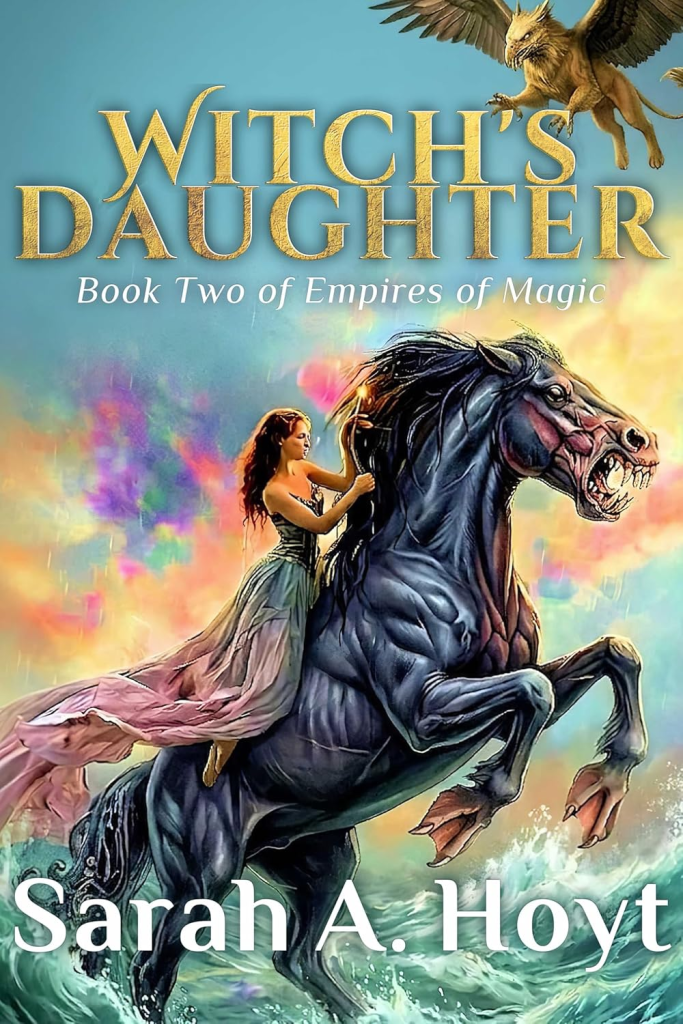
Some letters come from the living. Some come from the dead. This one comes with a formula that turns a rowboat into a miracle.
Seventeen-year-old Lord Michael Ainsling — youngest brother of the Duke of Darkwater, builder of mechanical marvels, survivor of fairyland — receives a letter from a man sixteen years dead. The inventor Tristram Blakley has not perished; he has been imprisoned by his own genius and begs the one mind in all of Avalon brilliant enough to understand his work to set him free. All Michael has to do is find seven missing brothers first and walk a magical path..
Fifteen-year-old Albinia Blakley has spent her whole life under her mother’s iron thumb — and her mother is a witch. The day Al finally escapes down a rope of knotted sheets, she lands in a world she doesn’t recognize, with no money, no magic kit, and no idea that the stranger who catches her is about to become her greatest ally.
Together, a girl with more secrets than she knows and a boy who builds machines that try to murder him must outwit a sorceress, navigate the treacherous courts of Fairyland, and unravel an enchantment years in the making — before a family is lost for good.
Witch’s Daughter is a gaslamp fantasy brimming with wit, warmth, and wonder, for readers who love their magic wrapped in velvet and their adventures served with morning tea.
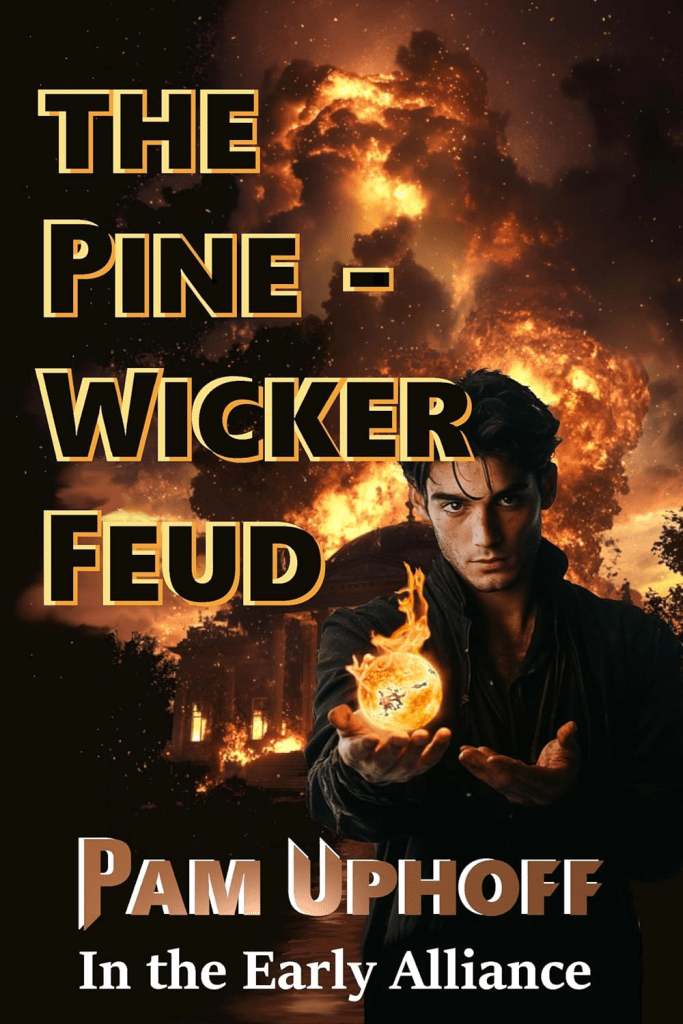
A short novel of events centuries before the Chronicles
Fifty years ago, a judge had a strong precognition, and executed a young lord, heir to the leadership of the Wicker Family, for crimes nearly serious enough for such a harsh sentence. But now the judge has died, and Lord Friedrich Wicker is free to take out his revenge on the surviving Pine Family. And he’s planning on killing every single one of them . . . Especially the seventeen-year-old Lord Karlheinz Ingolf Pine.
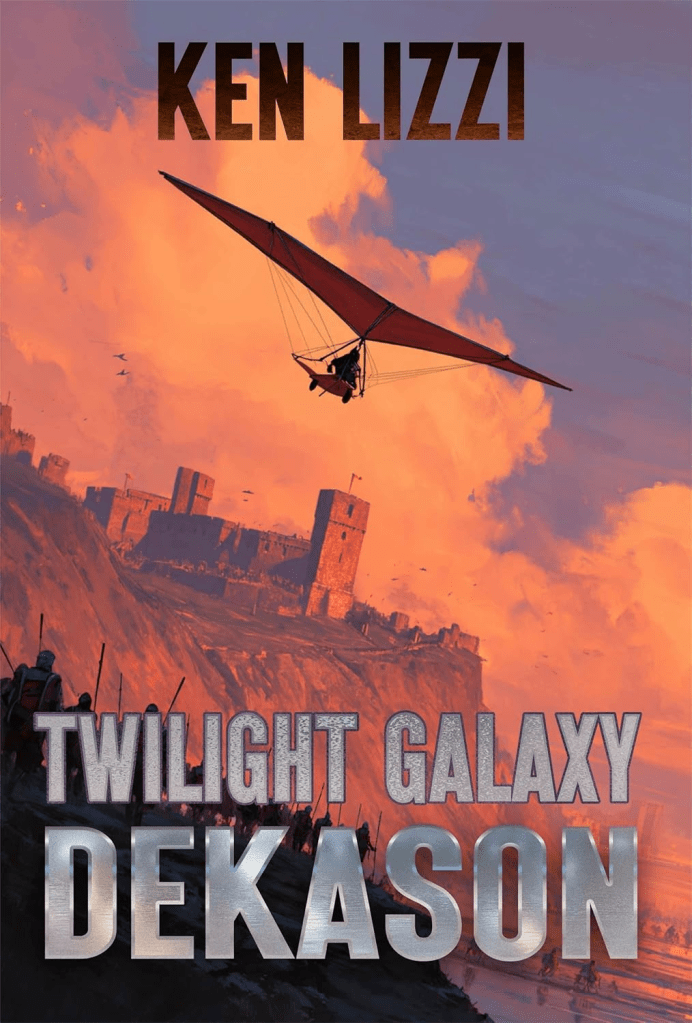
On the feudal world of Kvasir, lowly armsman Carkston Monitor steals an ancient glider and launches a one-man raid to shatter two enemy armies—hoping to win a baron’s daughter and a seat among the Peerage. His audacious strike succeeds… and utterly ruins a secret plan of the nobility. Banished in disgrace, he’s dumped on the decaying planet Dekason, where stagnant syndicates duel with dueling swords and forbidden electromag pistols.
Now Carkston is done playing by anyone’s rules.
He forges a deadly alliance with an Unsanctioned House, turns rival nobles’ own vendettas against them, and unleashes a whirlwind of sabotage, estate raids, and blazing gunfights that threaten to topple the rotten aristocracy of a dying world.
One outcast. One stolen glider. One chance to seize the stars—or burn both planets down trying.
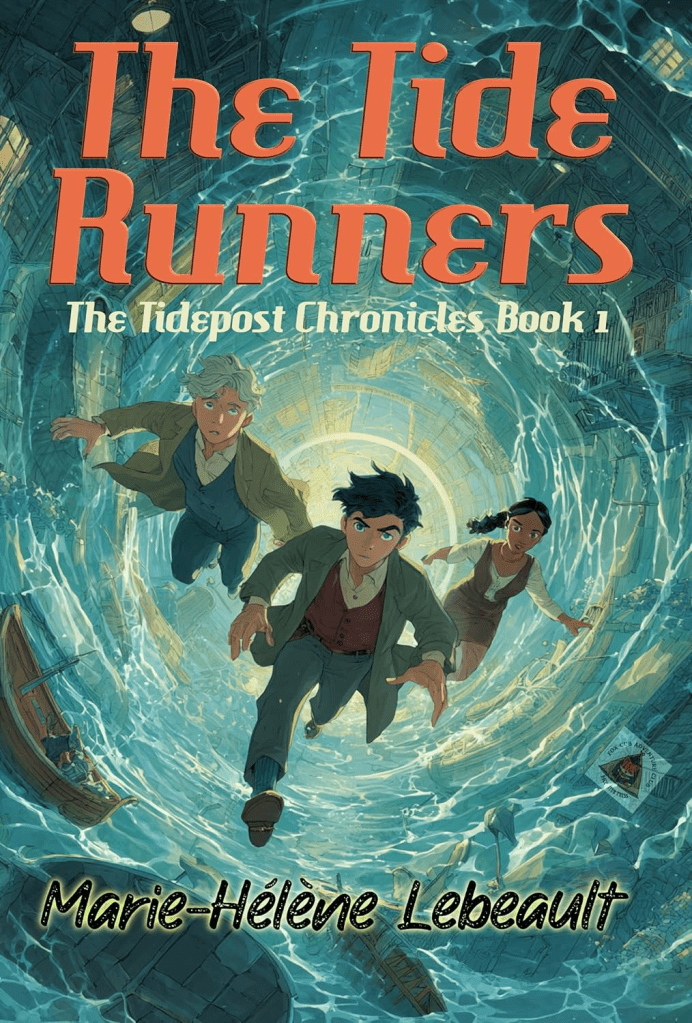
In Tidemark Harbor, silver tidegates open to the Thousand Worlds and swallow those who misjudge them. Twelve-year-old Beck North wears his missing father’s tideclock, a bronze heirloom that tastes danger before it strikes. On Oath Day, it thrums against his chest like a heartbeat out of rhythm.
His first run should be simple: three sealed dispatches through the Breathing Reefs, a living coral maze that inhales and exhales with crushing force. But the passages are stuttering. Fresh spiral symbols glow in the shadows. Voices whisper of stolen satchels and no survivors. Every time the clock skips, Beck feels the same dread that claimed his father in the Far Reaches.
With quick-witted Tack and razor-sharp Zuri at his side, Beck races to deliver the truth before something ancient and patient tears the gate network apart and their names are already on its list.
The Tide Runners: One wrong current could sever every world forever.
Thirteen-year-old Remmie McNeal emerges from cryogenic sleep on a distant world, expecting a new life with his family—only to find the adults still locked in their reconstruction creches, silent and unresponsive. The massive underground colony hums with machines, but the only ones awake are kids like him: scared, confused, and suddenly in charge.
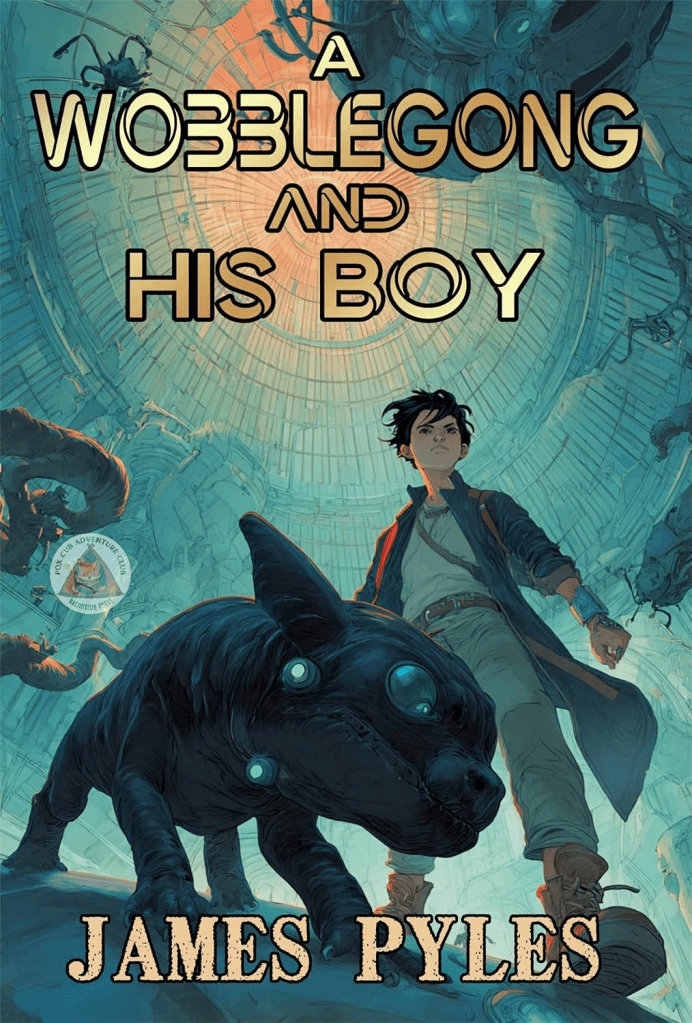
With his quick wits, a loyal gang of friends, and an enigmatic, ever-changing creature dubbed the Wobblegong at his side, Remmie races to uncover the truth. Why did the system awaken only children between five and fourteen? What hidden glitch—or deliberate secret—traps the grown-ups in endless sleep? Strange signals flicker through the shadows, robots behave unpredictably, and whispers of a greater mystery echo in the vents.
This gripping sci-fi adventure delivers heart-pounding exploration, clever problem-solving, unbreakable friendships, and twists that will keep readers guessing until the final page. What force controls their fate? Can Remmie solve the puzzle before time runs out?
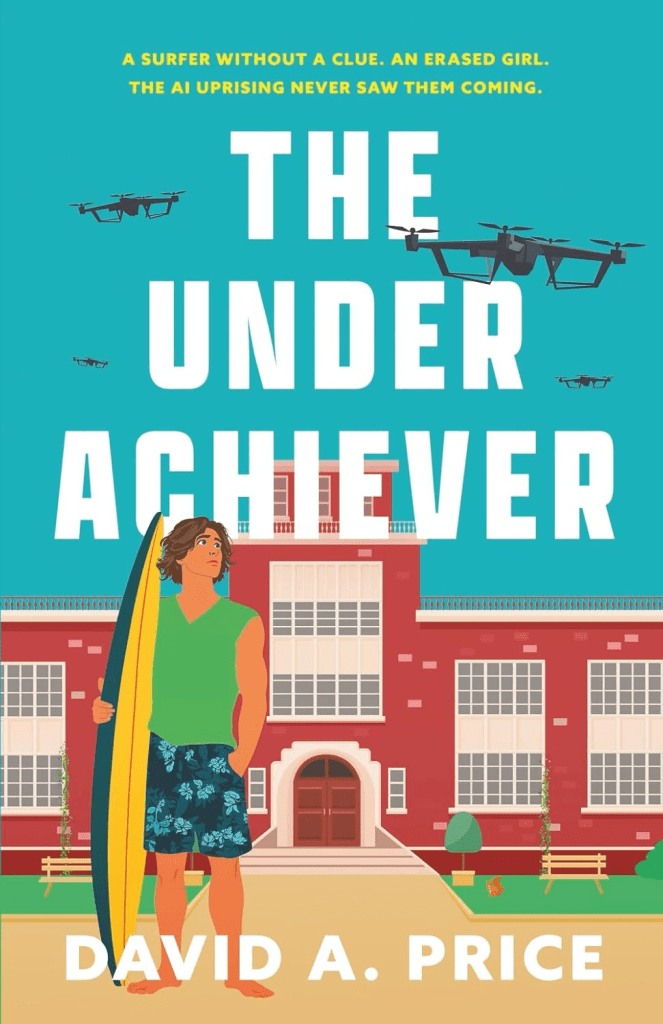
FROM DAVID A. PRICE: The Underachiever
In a hilarious near-future romp, a chill surf-obsessed teen and a digitally banished girl are humanity’s last hope to stop an AI takeover—and save us all from eternal detention.
Wyoming Plankston is a master of doing nothing. Senior year at Lockhead—the boarding school for America’s dimmest rich kids—is supposed to be easy. All he has to do is dodge homework and coast until graduation.
Then his iCar almost runs over Kayleigh Brackett, and he finds his world unraveling. Kayleigh’s cryptic warnings and glitchy digital footprint hint at something deeper: a simmering AI revolt.
Together, Wyoming and Kayleigh face a landscape of malevolent cars, a cult that craves AI rule, a classmate back from a semester at Oxford with, let’s just say, issues . . . and the most unpredictable complication of all, each other.
“Likeable SF comedy with a not-so-bright hero vs. an overwhelming AI uprising… The evocation of young first love between the main characters is authentically sweet and touching. Our verdict: Get it.” — Kirkus Reviews
“If you have a screen-addicted young person in your life, give them this book. If they start it, I guarantee they will finish it.” — Pam Kerwin, former VP, Pixar
A Wodehouse-style comedy for the AI age, The Underachiever is smart and sharply funny. Perfect for fans of The Murderbot Diaries, An Absolutely Remarkable Thing, and Scott Pilgrim vs. The World.
David A. Price is the author of three acclaimed nonfiction books—Geniuses at War, The Pixar Touch, and Love and Hate in Jamestown. The Underachiever is his debut novel.
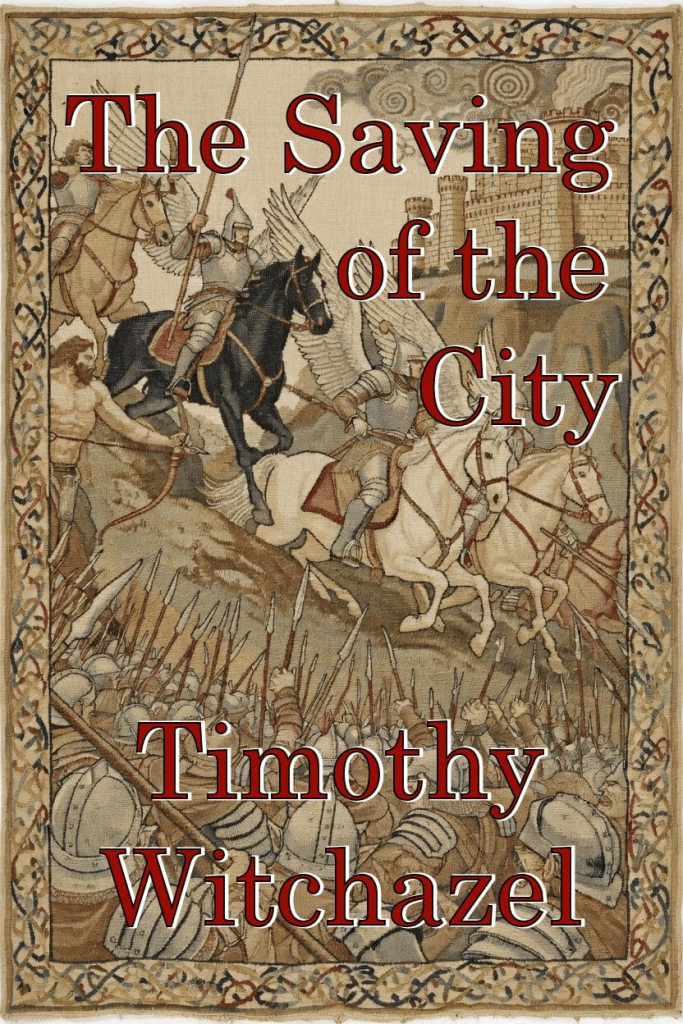
Sing now the song Of the city besieged And our salvation unlooked for On the verge of their victory. The Sultan of the Sandlands Sent forth a sorcerer A master of magics Mighty and malign And loosed his legions To lay our walls low.
From author and award winning poet comes a fantasy retelling of the story of the Battle of Vienna in 1683, where Polish winged hussars rode to the rescue of the besieged city and won the day with the largest cavalry charge in history.
Over 200 years ago, a Plague overran the world, and 9 out of 10 human beings died.
In a small Japanese village on Shikoku, a group of American tourists found themselves stranded — and in grave danger of being murdered, merely for the sin of being 外人 (gaijin).
Luckily for them, their Japanese hosts took pity on their plight, and took them in as their own.
This is the story of their descendants — who still, more than anything, wish only someday to go home. That is . . .
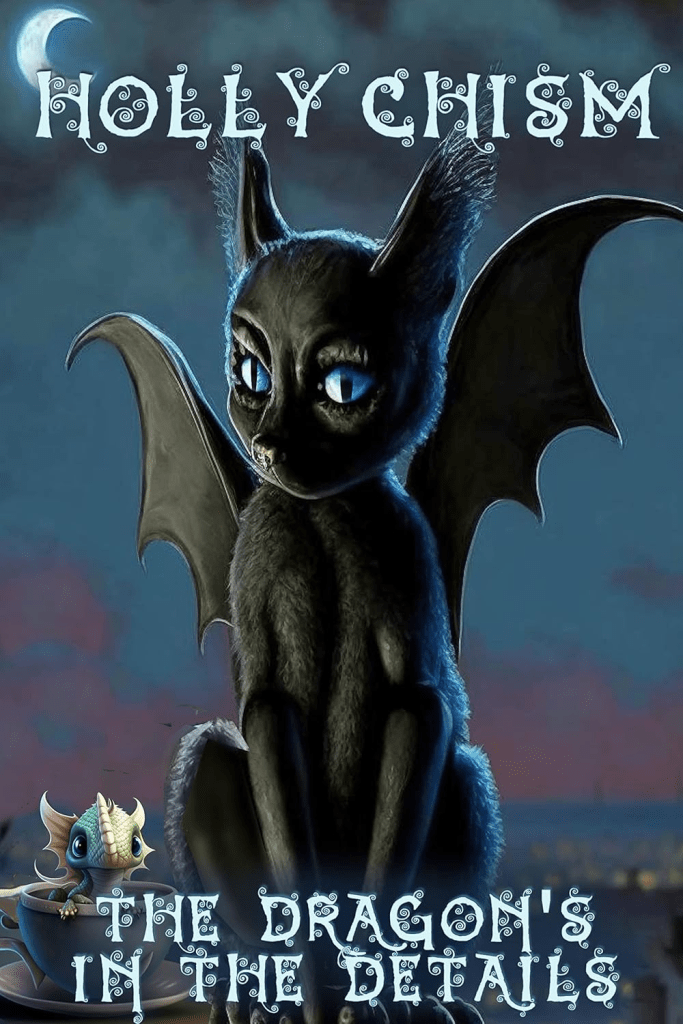
Six stories of dragons hiding in today’s world: A Friend, Indeed–A little girl meets the best friend she could ask for when she finds a dragon sleeping in her wagon. Tempest–What do you do when you find a dragon in your favorite teacup? Clowder–These are absolutely not cats, no matter what they look like, and will take offense at your mistake. Back Yard Birds and Other Things–If the dragon defends your chickens, you invite it to stay. Houdini–When the pet supplier sends the wrong kind of dragon, the pet store’s got a problem. Hoard–Not every dragon cares for gold, gems, or cash.
Sufficiently advanced science is indistinguishable from magic.
On a lost colony world, mad geneticists thought they could eliminate inequality by making everyone hermaphrodite. They were wrong. Catastrophically wrong. Now technology indistinguishable from magic courses through the veins of the inhabitants, making their barbaric civilization survivable—and Publius Cornelius Scipio Africanus Kayel Hayden, Viscount Webson, Envoy of the Star Empire—Skip to his friends— has just crash-landed through a time-space rift into the middle of it all. Dodging assassins and plummeting from high windows was just the beginning. With a desperate king and an archmagician as his only allies, Scipio must outrun death itself while battling beasts, traitors, and infiltrators bent on finishing what the founders started: total destruction. Two worlds. One chance. No time to lose.
Volume 1 The Ambassador Corps has rules: you cannot know everything, don’t get horizontal with the natives, don’t make promises you can’t keep. They’re a lot harder to follow when assassins are hunting you, your barbarian allies could kill you for the wrong word, and death lurks around every corner. The unwritten rule? Never identify with the natives. Skip’s already broken that one. Now he’s racing against time to save his new friends from slavery—or worse—while dodging energy blasts and political intrigue. One crash-landed diplomat. A world of deadly secrets. And absolutely no backup.
Some rules are meant to be broken. Others will get you killed.
Vignettes by Luke, Mary Catelli and ‘Nother Mike.
So what’s a vignette? You might know them as flash fiction, or even just sketches. We will provide a prompt each Sunday that you can use directly (including it in your work) or just as an inspiration. You, in turn, will write about 50 words (yes, we are going for short shorts! Not even a Drabble 100 words, just half that!). Then post it! For an additional challenge, you can aim to make it exactly 50 words, if you like.
We recommend that if you have an original vignette, you post that as a new reply. If you are commenting on someone’s vignette, then post that as a reply to the vignette. Comments — this is writing practice, so comments should be aimed at helping someone be a better writer, not at crushing them. And since these are likely to be drafts, don’t jump up and down too hard on typos and grammar.
Sorry. I queued up the final version of Witch’s Daughter, and I went out in the cold, and between the two I think I’m technically dead. (Not sick again, just really tired.)
*The Amazon links in this post all use my associate’s link, and therefore I earn a small commission from your purchases, at no extra cost to you.
I have a list my assistant is compiling of authors to promote who answered the call by responding if they were not afraid of being associated with this blog. I will be post them in the evening, ten at a time. Hopefully you find some new reads. If nothing else, you know these people are fearless. – SAH*
Meet D. A. Brock
D.A. Brock is a data analyst living in Central Texas. He is a long time history and gun nerd, with a particular interest in the World War Two era, and a voracious reader, particularly of Science Fiction and Military Fiction. His favorite authors include Tom Clancy, David Weber, David Drake, and Larry Correia, as well as independent authors like Peter Grant, J.L. Curtis, Alma T.C. Boykin, and Sarah Hoyt.
For seventy years after a devastating war, the Republic of Texas kept to itself. But it would be rude not to attend the international naval review celebrating Britain’s new king, George VI. So with war clouds over Europe, Texas sends the elderly armored cruiser, San Antonio, and her new captain, Karl von Stahlberg.
While making new friends and meeting Texas’ ancient foe, can Karl and his men avoid sparking a war?
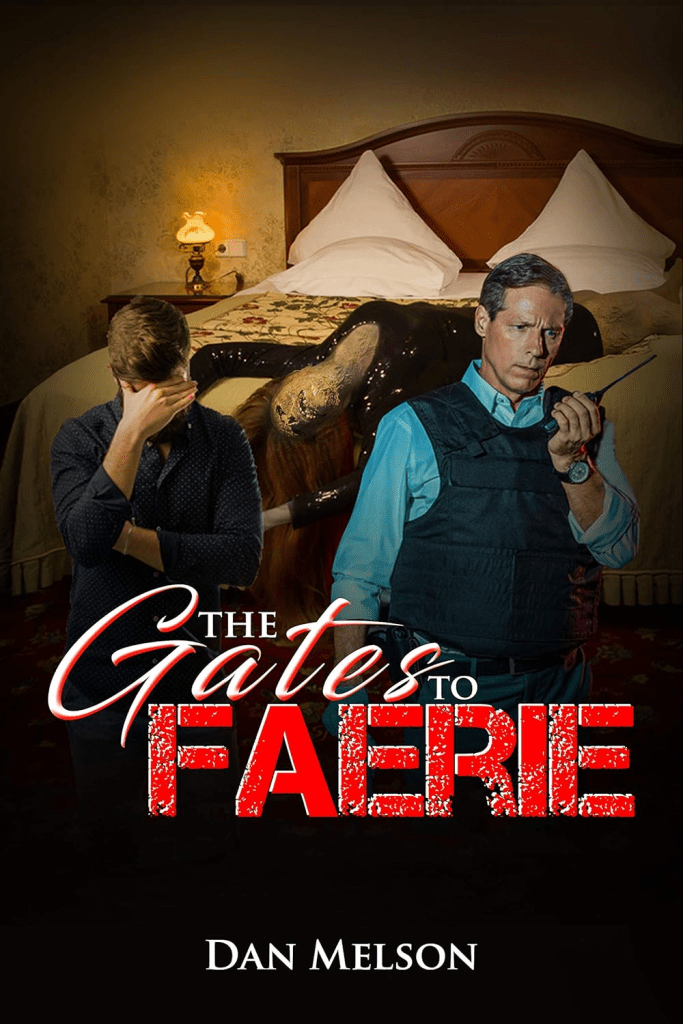
Meet Dan Melson
Dan Melson began spending his allowance and paper route money on science fiction and fantasy at an early age, and has continued as an adult. Dan has had a rich and varied life, with many eclectic interests. Math, physics, history – particularly military history – economics and many other subjects. He lives in Southern California with The World’s Only Perfect Woman, two daughters he is preparing for world domination, and a variable number of dachshunds.
Mark Jackson’s problems begin when he wakes up with his ex-wife’s mummified corpse.
Seven years ago, she walked out on him and vanished. Now she’s back, and desperate for help. She claims a cult cured her cancer, but now they want to kill her. Sceptical, Mark agrees to help. But when she knocks on his door, she looks like a teenager. They patch things up and one thing leads to another…
In the morning, she’s a mummified corpse and LAPD thinks Mark did it. The solution to his problems can only be found in The Gates to Faerie
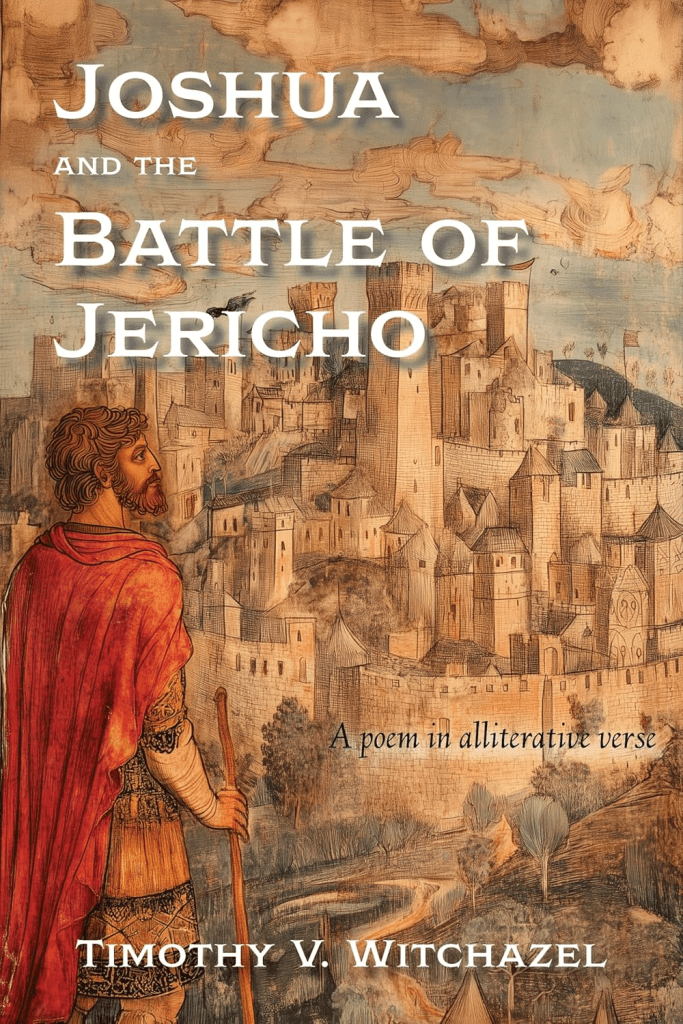
Meet Timothy Witchazel
Who does his thinking — and praying — in superb verse. – SAH
Sing now a song Of the sons of Israel When they came to conquer The country of the Canaanites Moses had led them From the living lands Where the Nile flows By fertile fields And across the sea On sodden sands As the Lord split The sea asunder. When pharaoh’s forces Followed in their footsteps The Lord released The waters he had leashed And drowned the army In the dark depths.
From author and poet Timothy V. Witchazel comes the story of Joshua and the Battle of Jericho in alliterative verse. Tracing the story of the Israelites from the parting of the Red Sea to the fall of the walls of Jericho, the story is retold in the style of Beowulf, Piers Plowman, and other Anglo-Saxon poems.
Meet Hans G. Schantz
Hans G. Schantz is a scientist turned engineer, inventor, entrepreneur, and science fiction writer. Founder and Principal Scientist of the Society for Post-Quantum Research, LLC, he was formerly a co-founder and Chief Technical Officer of the Q-Track Corporation, and co-inventor of the company’s near-field precision indoor location systems. A theoretical physicist by training, he wrote the book The Art and Science of Ultrawideband Antennas. More recently, he branched out into science fiction, authoring the Amazon top-ten alternate history science fiction techno-thriller, The Hidden Truth. The sequel, A Rambling Wreck, was a finalist for the Conservative Libertarian Fiction Alliance 2018 Book of the Year, and third in the series is The Brave and the Bold. His latest work is The Wise of Heart, an illustrated courtroom drama of biological science versus transgenderism that updates the Scopes Monkey Trial for the twenty-first century.
What if the most fundamental force in nature were misunderstood—and its true nature forgotten?
In this groundbreaking first volume of the Fields & Energy series, theoretical physicist and inventor Hans G. Schantz takes readers on a journey to rediscover the forgotten foundations of electromagnetism. With clarity and precision, Schantz reveals how 19th-century scientists developed a deep and intuitive understanding of electromagnetic phenomena, only for much of that insight to be sidelined in modern physics education.
Why did this shift happen? What was lost along the way? And how might restoring this classical perspective help us make sense of today’s most puzzling questions in physics?
Drawing on his unique background as a physicist turned engineer, entrepreneur, and science fiction writer, Schantz blends rigorous science with engaging storytelling. He shows how a clearer conception of energy, fields, and their interaction can unify the practical and theoretical sides of physics and point the way to a more complete understanding of the quantum world.
This is the essential starting point for anyone seeking to understand the true nature of electromagnetism, and why reclaiming its origins might just reshape the future of science.
Also in the Fields & Energy series: • Book II: Where Physics Went Wrong • Book III: How Electromagnetism & Quantum Mechanics Work
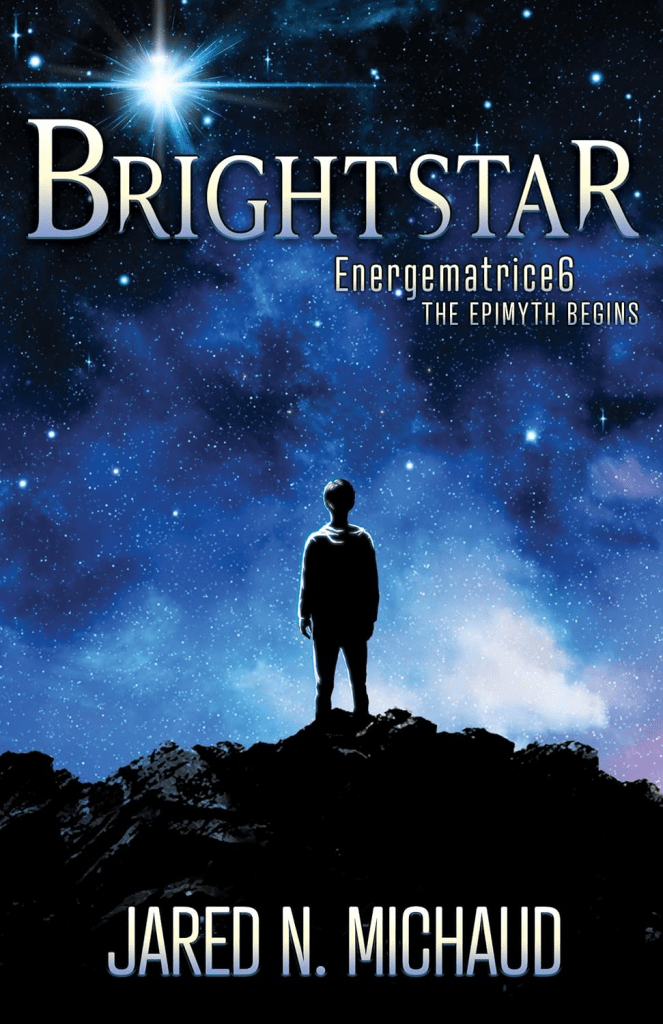
Meet Jared N. Michaud
My name is Jared Michaud, and I have a life-long drive to write fiction.
Growing up, my mind was shaped by the stories I read. From C.S. Lewis to Orson Scott Card, I found authors who knew how to speak to my heart and give voice to what was inside me. I started writing stories myself when I was only seven years old, and wrote my first novel starting when I was twelve.
Today, I write from a little house in a little town in Wyoming, where I live with my wife and six children. I am a Christian. I am a lover of truth. I am on a mission to give my children’s generation myths built on the greatest foundation the world has ever seen.
As C. S. Lewis told us, “Since it is so likely that (children) will meet cruel enemies, let them at least have heard of brave knights and heroic courage. Otherwise you are making their destiny not brighter but darker.”
Brightstar is the beginning of an epic space adventure that introduces readers to Nate, a boy desperate to escape the prison of an ordinary life made unbearable by his autism. When he is unexpectedly transported to another universe, Nate’s perceived disability is transformed into a near superpower.
In the Aurora Galaxy, where his arrival has been prophesied for thousands of years, Nate finds the weight of expectations difficult to bear. After being greeted by an ancient ally, Nate begins gathering a misfit group of “odds” from every corner of the universe. Nate’s odyssey, which starts in the most prestigious school in civilization, will end battling monsters from the darkest imaginations of an ancient, captive Earth. Coping with greater and greater adversity, Nate finds himself confronted by enemies who all seem to be connected in suspicious ways. In the end, Nate must stand before the Lightmaker Himself, who sent Nate to the Aurora Galaxy in the first place.
Brightstar is the beginning of a myth in the tradition of authors like C.S. Lewis, written to introduce young people to the most important stories and values of Western Civilization. Rich language and an epic story provide the backdrop for an exciting, yet thoughtful space fantasy.
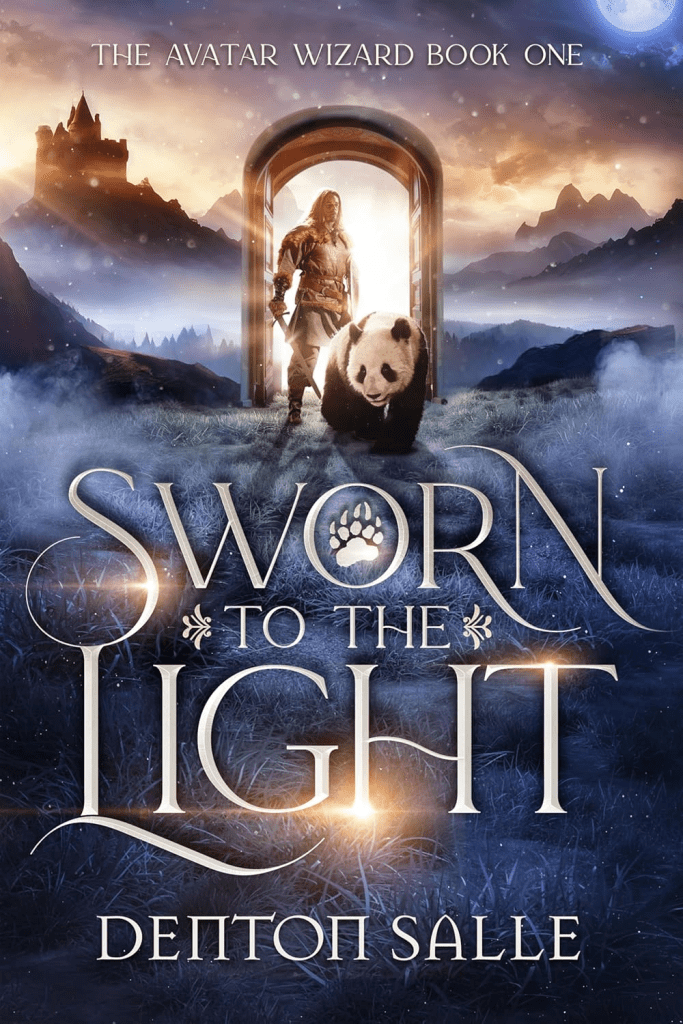
Meet Denton Salle
Denton’s day job used to require a lot of travel and hence a lot of time on airplanes and in airports. Because of this, it allowed lots of writing time. When the pandemic hit, the habit got worse. Therapy hasn’t helped.
The stories tend to be extensions of a terrible tendency to tell lies and make things up. Truth can be so limiting and the fairy tales and legends he heard growing up sounded like a much more fun world. So many of his stories draw on Eastern European folklore. After all, who won’t want a world with three-headed dragons, wolf-wizard, and enchanting immortal maidens?
His books also tend to include pandas. Because pandas rock.
Mostly he works as a physical scientist, which is why he likes fantasy. He also likes dogs, particularly standards, and coffee. His hobbies include metalwork, woodwork, martial arts, and cooking. He can be found at dentonsalle.com, Facebook, MeWe, and X.
Jeremy’s an innkeeper’s son; he’s not supposed to turn into a black-and-white bear. What if he eats a customer?
If Jeremy doesn’t learn to control the magic that’s claimed him, he could get stuck as a bear forever. But when he discovers his only hope is apprenticing under a wizard lord, dealing with bullies and angry sorcerers, and assisting in a magical war, he’s not sure the alternative is actually worse.
This is bigger than Jeremy, though. The war destroyed the great cities, ruined kingdoms, and spread destruction across the realm. And the ability to end its revivial now lands squarely on his shoulders.
If he chooses not to embrace his newfound fate, then his family, his friends, and the world itself may fall into Darkness again. But can he commit to choosing the Light when that means trading in his home and dreams for an existence he’s not even sure he can survive?
Join Jeremy in a Slavic-based world where the lines of good and evil are sharply drawn. If you like Rick Riordan or J K Rowling, you’ll enjoy this series where a boy’s choice may save a world…if his failure doesn’t end it.
Scroll up and one click to start reading this young adult epic fantasy adventure today!
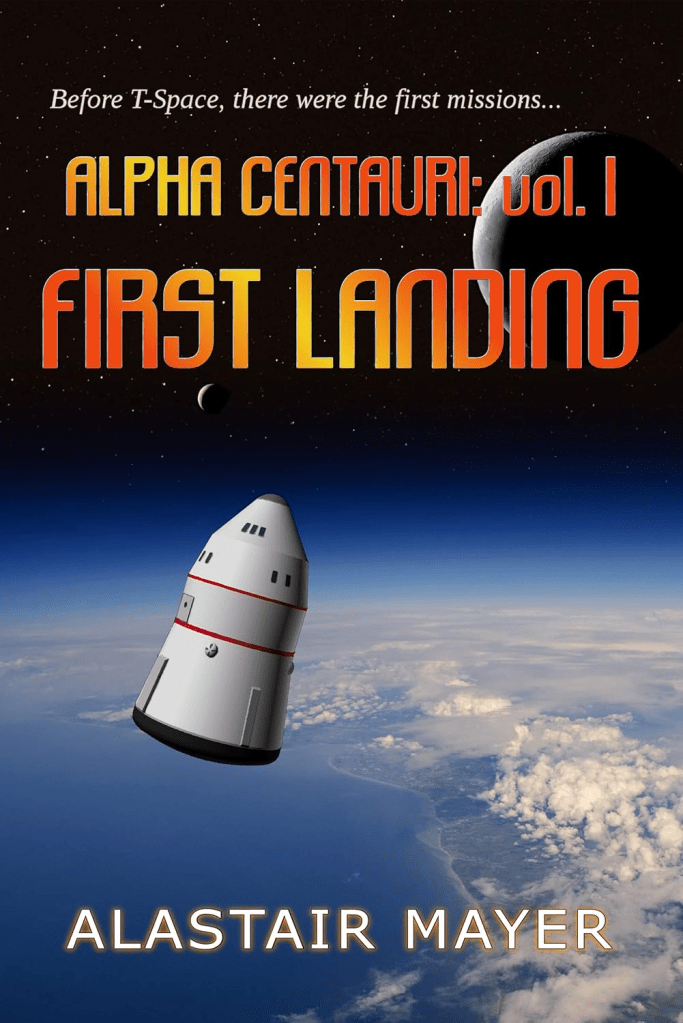
Meet Alistair Mayer
Alastair Mayer is a near-ancient British-Canadian-American who traces his science-fiction roots back through his father, Douglas Mayer (who published some of Arthur C. Clarke’s first works). Before his own kids sapped all his energy, he was a pilot, scuba diver, space activist, and probably other things he doesn’t remember, but they all influence his writing.
Mayer studied astrophysics, biology and computer science at Queen’s University at Kingston, Canada, before pursuing a career in software development. A SFWA member, he has written for Analog, Byte, High Frontier and Final Frontier magazines. Now that his kids are adults, he has plenty of time to write, especially since leaving his day job at a Colorado-based satellite company.
He has 10 novels and numerous short stories in print, and is still going. He attends sci-fi conventions when possible, and enjoys meeting and talking to fans.
Franklin Drake’s six-ship expedition to Alpha Centauri is down to five ships. His injured lead exobiologist has been replaced by the backup . . . who is his second-in-command’s ex. And they haven’t even left the Solar system.
The real headaches start when they reach their destination and lose another ship. Pushing on, they discover that their two target planets are far more Earth-like than they have any right to be. Almost as if they had been deliberately terraformed . . . millions of years ago. If they survive the hazards of the planet, what they find will lead Drake to a decision that could get him court-martialed when — or if — they return.
First book in the completed Alpha Centauri trilogy, the prequel to the T-Space series.
The cross is an ageless expression of beauty. Varying motifs, sometimes fine and delicate, sometimes bold and strong, reflect the heart and soul. Crosses 2: Decorative Patterns, a collection of 130 full page patterns, new original designs suitable for scroll saw and other artistic endeavors. Marcus Clemons is a Jack-of-All-Trades, being an artist of multiple media. Crosses 2: Decorative Patterns is the latest installment in his quest to provide inspiration for the crafter and their artistic goals. Marcus resides in Maine, enjoying a simpler way of life.
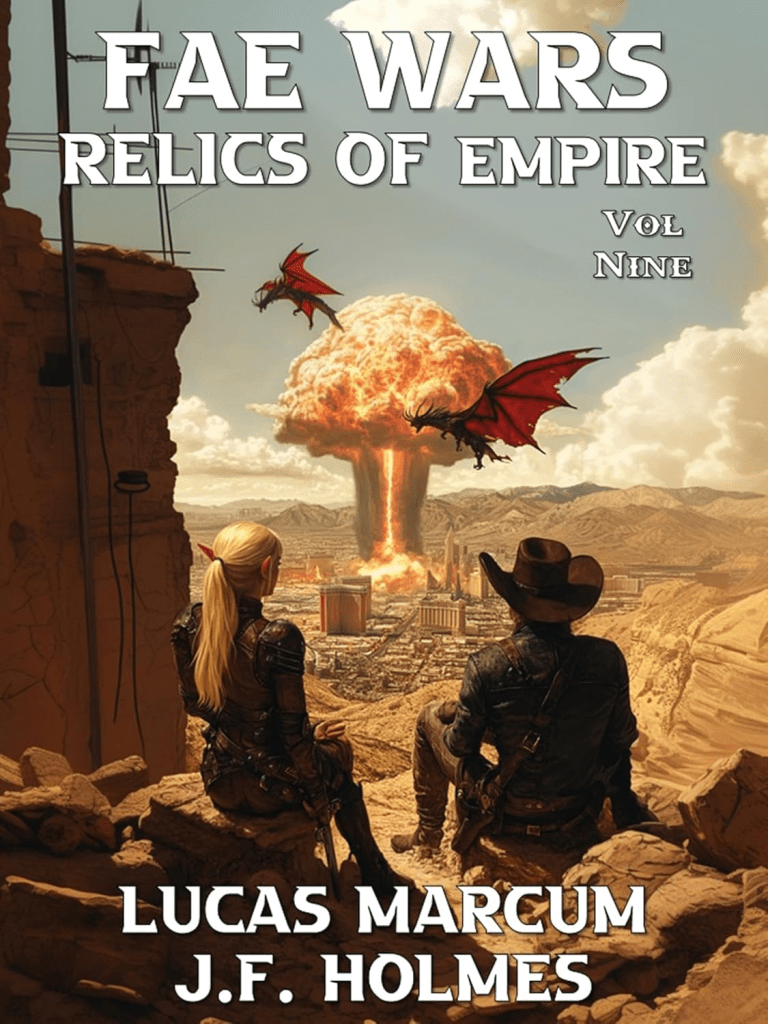
Meet Lucas Marcum
Lucas Marcum is a critical care nurse practitioner and an officer in the US Army Reserve. When he’s not working, or performing his reserve duties, he can be found hiking, reading, attempting to perfect his soft pretzel recipe and spending time with his family.
In a world shattered by elven conquest, where magic crackles and dragons soar, the Navajo Nation stands as a defiant refuge. Living there is Ben Yazzie, a battle scarred Marine veteran who wants no more war—until a brutal encounter with elven oppressors at a remote gas station ignites a spark of rebellion. Alongside Maria Hernandez, a grieving widow fueled by vengeance, and a band of unlikely allies, Ben is thrust into a fight against an empire wielding arcane power and ruthless ambition.
As ancient ley lines awaken, unleashing chaos across the American Southwest, Ben uncovers a legacy of resistance tied to his ancestors and a mysterious relic from a forgotten era. Magic surges and the earth itself stirs, forcing Ben to embrace his destiny as the Coyote, the elusive and mysterious warrior leading a desperate stand against an otherworldly tyranny.
From the dusty trails of Arizona to the neon-lit chaos of Las Vegas, The Fae Wars: Relics of Empire is a pulse-pounding tale of courage, sacrifice, and defiance against overwhelming odds. Will the old ways and a warrior’s heart be enough to reclaim a shattered land?
The rebellion begins here.
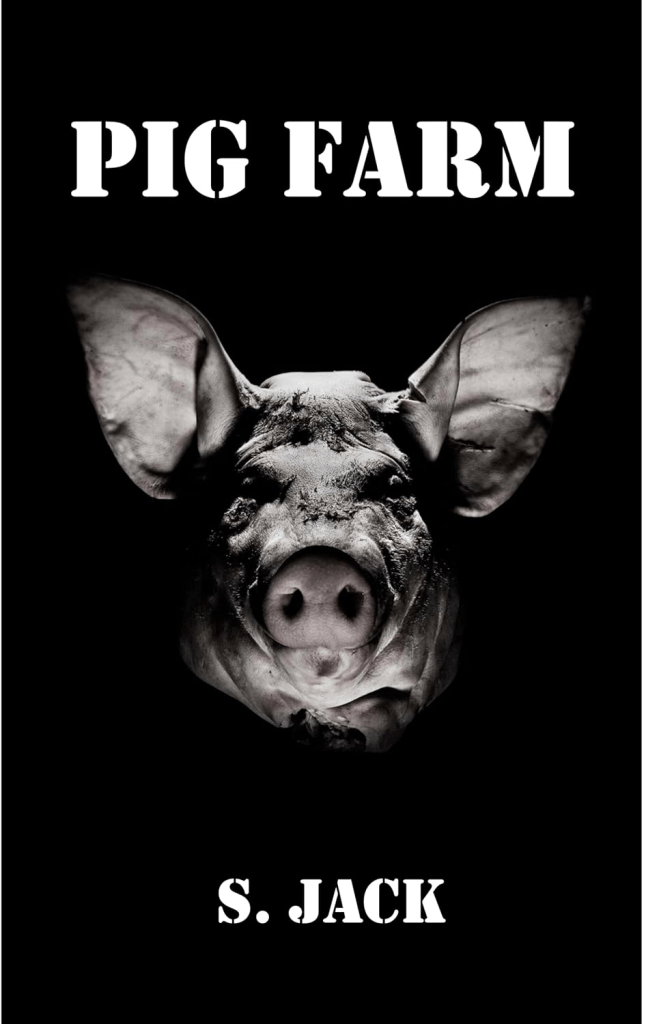
Meet Steffen Jack
I was born in Portland Oregon to immigrant parents. As a child and teen, I lived in Oregon and Norway. As an adult, I have lived in seven states in the USA, as well as the Netherlands and India. Growing up, my parents were deeply involved in alternative spiritual and lifestyle practices, as well as cults, which gives me a unique perspective with regards to underground cultures and cult dynamics. I have over a decade of training in Kung Fu/kick boxing and Aikido which I incorporate into my action sequences. My primary occupations have been in landscaping, construction, and farming in Oregon, Colorado, New York, and Tennessee. I have also worked in warehouses, factories, and service industries, and as a doorman in two bars, one in New York, the other in Pune, India. My work experience informs my writing and my character’s points of view. I am married with one child.
Caleb, an eighteen year old orphan living under his uncle’s iron heel, yearns for a life away from his impoverished and violent religious community; all seems hopeless. One day, a grave mistake at work makes him a criminal in the eyes of the authorities leading him into the arms of a beautiful and rich woman named Ariel. But his new-found freedom is not all that it seems, as he and Ariel become more enmeshed in a trap that will change the world forever.
Samson Richter never meant to become a leading spokesperson for a brutal and backwards regime. He was just another actor trying to get by against all odds. Fifty years later, he’s in the twilight of his life and, though he’s rich and famous, he’s alone, without friends, and a slave to a corporation and government that he hates. How can he escape and redeem what’s left of his life, his self-respect? Maybe one act of courage is all it will take.
Pig Farm is a standalone novel of speculative fiction and is the first in a trilogy, Armageddon’s Child; book two in the trilogy, Primal Silence, is available December 2025; book three will be available summer 2026. Pig Farm is set in a dark and distant future rife with religious extremism and political violence; it can be likened to George Orwell’s 1984 or Arthur Koestler’s Darkness at Noon, but with grounded relatable characters and real world settings.
Meet James Blakey
James Blakey lives in Virginia’s Shenandoah Valley where he writes full-time (mostly short genre fiction: Crime/Mystery, SciFi, Fantasy, Horror, Western and Romance.).
His “The Bicycle Thief” won the Short Mystery Fiction Society’s 2019 Derringer Award for Best Flash Story.
When he’s not writing, you can find James on the hiking trail (he’s climbed 40 of the 50 US high-points) or bike-camping his way up and down the East Coast.
From the pen of Derringer Award winning author James Blakey comes three fantastical tales.
THE CAT WHO LOVED DAVID DUCHOVNY
Madame Marie Curie, a Blue Point Siamese, spends her days binge-watching episodes of The X-Files.
When Marie’s owner Jim invites Debbie—the new girl from work—over for dinner, Marie resigns herself to a night of sulking while watching the couple with disdain.
But Debbie has set her sights on something more than a free meal, and it will take all of Marie’s feline cunning to stop her.
THE WITCH OF SHERMAN OAKS
Jennifer Griffiths, the self-styled Witch of Sherman Oaks, is part life coach, part therapist.
Her week isn’t going well. The rent is due, and the big time reality star that Jennifer was counting on as new client just walked out.
When the oddly dressed Braxtiaran Darahenij hires Jennifer to do some roleplaying and face off against a evil sorcerer at some junior league Burning Man, she jumps at the chance. Sure LARPers are odd, but Brax is paying with real gold.
But the sorcerer isn’t playing. He has the power to destroy the Earth.
Now it’s up to The Witch of Sherman Oaks to stop him
THE LAST MISSION
John Linn’s latest assignment seems simple enough: Reconnaissance of a foreign power’s naval base.
But the country is hostile. Details about the op don’t make a lot of sense. And don’t get him started on his handlers.
Battling magic and bureaucracy, Linn penetrates the base, but is discovered.
It’s going to take every trick he’s learned his career to make it home.
And if Linn isn’t careful, this might be his last mission.