I am a novelist with work published in science fiction, fantasy, mystery and historical "novelized biography". I've won the Prometheus award and the Dragon award. I also write under the names Elise Hyatt and Sarah D'Almeida. http://sarahahoyt.com/
Because the left controls all the institutions and has seized all the mechanisms by which “government by the people, for the people” was supposed to take place, it’s trivially easy to get despondent about it and to become “black pilled.”
We all have moments. Even I. Which is why I have developed checks to apply to my thought process to keep it from spiraling.
The first check is: Yes, they’re very loud, but they’re not very effective. Recently a friend reminded me that all through these four years, (because let’s face it, they seized power by sneaky means in 2020) they haven’t managed to do the things we feared for the FIRST year of their control.
Trump is still alive, and the suits brought against him are more and more obviously absurd. Yes, there are some people unjustly arrested, and even one is bad, but let’s face it there haven’t been massive arrests.
Remember how we felt the day after the election, all of us arranging for electronic boltholes. I literally expected to wake up and be barred from online. And that is with me being fully aware I’m a very small fish in a very large pond. I expected, at the very least, to be kicked off FB and Twitter, and all platforms outside this blog. And perhaps have to have this blog independently hosted elsewhere. Years ago.
That didn’t happen. In fact, Twitter went the other way, because Elon Musk is he supervillain we didn’t deserve, but got anyway. (Supervillain by his modus operandi. His positions are… a bit all over the place. He’s not my libertarian ideal. But then neither am I. Or anyone.)
And they keep ranting about bringing us “under control” and making us eat the bugs, but to be fair, the more they push the more we run the other way. Even the car companies which fell into place with the EV BS are now running the other way because “the dogs don’t like it.”
No, there hasn’t been a massive revolution/uprising. But there have been millions of people saying “No. Also go fish.” On everything really. They keep trying new versions of feeding us bugs, or whatever, and it falls flatter and flatter everyday.
They have tried to follow the communist playbook, because it’s all they have, but it’s not… working, because America is not an Early 21st Century hierarchical nation. So making wealthy people partition their houses with 3 poor families doesn’t work. They’re trying to bring in the poor of the world to play that role, except the ones they bring in aren’t exactly early 20th century poor. They range from their own countries commie and entitled (the majority) to people who have never SEEN civilization and who are more or less kidnapped for the project.
As is, I have no more than a vague impression that almost as many people are running the other way, because of course they don’t publicize that, but it’s very much the sense I have. Yes, sure, we have a lot more indigents, and some cities like NYC and Denver are drowning in them. And the border, all of it, is a disaster zone, because, just the churn there would make it so. BUT… but….
Look, there are things that break through. I’ve now seen two law enforcement type of posts about families — entire families — that “disappeared” and when you look it turns out it was illegal families, and they were headed South of the Border and dropped out of phone contact with family here, and no one has heard of them. Did they wisely put themselves in the equivalent of witness protection, or did the cartels who originally trafficked them get them? Needless to say, I don’t know. But in the posts there is this sense of “they were trying to go back home like so many people who came in are.” Yeah, two families is not much but look… It’s families. I’d expected the disillusioned going back would be mostly single males, because it’s a hellish journey and they would have less to hold them here.
And then there’s the fact that despite all of the left’s push for illegal immigration, I haven’t seen the magazines on the checkout stands change, not even in my visits to Colorado. And during the immigration under Bush they already had.
And there’s the interviews you hear. “I don’t like the way they’re treating us. We were told we would be treated like kings/queens. We didn’t come here to work. We’re going back, because at least back home we have a network.”
Then there’s the fact that they’re bringing in people from farther afield, like Chinese and Africans and yes, keeping them in paramilitary camps with military discipline. And yes, part of the reason they are doing it is to use them against us, when we raise a fuss over the fraud this November. But why do you think this would go better for them than their other plans have? Yes, sure, they’ve gutted our military. But the biggest military force in this country is not the active military, but the retired military. No third world rag-tag army can be trained to oppose them, because American superiority is in the software in the head.
Anyway, if they could draw more from South America, they would. And if they could disperse people among the population throughout the country, they would. It’s just not working out their way.
Also, they keep trying to gin up the new BLM… but they can’t understand why their attempts at making Palestine the thing aren’t working. Which is both sad and hilarious, to be fair.
Their attempts at ginning up the new disease panic, too, are only hitting the same 10% or so of severely ill mental health patients who are still double-and-triple masking and burning Fauci candles.
Their impotent fury at us keeps circling around trying to get us to give up their guns, because they know if they send the stasi out to round us up for… anything — and note they might think this is possible, because they have no idea of the scale of the country — most won’t come home. But that also isn’t working.
Sure, they’re putting a lot of bad stuff into place — Net Neutrality. Open borders. — but none of it is working the way they want to. Mostly because ALL OF THEM suck at seeing second order consequences, and most of all at seeing that laws aren’t magical and don’t create instant outcomes.
Part of it is that their pet theory makes them really bad at humaning. When you believe all humans are widgets, you cope very badly with real humans.
Most of it though is that their time has passed.
In many ways, and due to the way tech influenced life, the late nineteenth and most of the 20th century were ideal for collectivism. The mass-everything from manufacturing to means of knowledge diffusion made it easy for collectivists and statists to seize power even in countries that were explicitly against them (such as ours.)
They could control the flow of information so that even their more or less glaring incompetence and inefficiency could be made to look as “government by the best people.”
I suspect that communism, on a country wide scale, couldn’t have been pushed into power in any other time, with any other tech. Even in France, the proto-communism of the revolution lasted less than a generation.
But this centralized everything time has passed. There are things which it is still better to mass produce and distribute centrally, but fewer and fewer every year. And mass communication while useful for storm warning and such is giving way to more efficient, and largely more accurate, distributed information (including entertainment.)
Which is why they’re acting like their world is melting, despite all their advantages.
And the thing is: it’s all over the world. All over the world they’re cheating, screaming and sticking elbows in the machinery of state trying to force things back to the 20th century.
It won’t work.
You are not alone. The revolution against centralization and the war on Marxism are world wide.
And the other side is losing.
It’s going to hurt like a mother, because they still have a lot of control. But it’s not going their way.
It’s much slower than we’d like, but history is. It’s “very slowly, then suddenly.”
Yeah, I’m old and I might not see the end of the fight. But we are not alone. And we’re fighting the good fight. And in the end, the good guys win.
You’re not alone. What you do, however small, matters.
If you wish to send us books for next week’s promo,please email to bookpimping at outlook dot com. If you feel a need to re-promo the same book do so no more than once every six months(unless you’re me or my relative. Deal.) One book per author per week. Amazon links only. Oh, yeah, by clicking through and buying (anything, actually) through one of the links below, you will at no cost to you be giving a portion of your purchase to support ATH through our associates number. A COMMISSION IS EARNED FROM EACH PURCHASE.*Note that I haven’t read most of these books (my reading is eclectic and “craving led”,) and apply the usual cautions to buying. I reserve the right not to run any submission, if cover, blurb or anything else made me decide not to, at my sole discretion.– SAH
A runaway dwarven princess, witches, dragons, assassination attempts, and a rebellion?
Jeremy had been dreading this trip. His girlfriend’s mother, a bear shifter, hated him. However, it was quickly getting worse than he ever could imagine. And that cursed sword haunts him, telling him that together they can rule the world.
From the Hall of Eternal Music to Bjornhold to the Artic Wastes, Jeremy fights against the machinations of the Dark as it seeks to corrupt and destroy the innocent. If he falls, those he loves are doomed. If he wins, well, long shots happen…
Join Jeremy and his friends in his latest adventure in a world based on where the lines between Good and Evil are clearly drawn. Fans of Ric Riordan, Jim Butcher, or Garth Nix will love this latest story set in a Slavic world of wonders. Click now for your copy!
Once, they were hated and hunted by mage hunters and Plain folk alike. Now, former bounty hunters turned renegade mages Silas and Lainie Vendine finally have the life they dreamed of – a home and ranch of their own where they can live in peace and raise their family, and the friendship and respect of their non-magical neighbors.
When a company from across the western sea comes to Prairie Wells, bringing marvelous new inventions, Silas and Lainie figure it only means more prosperous times ahead for the town and for them – until an old and vicious hatred of mages rears its head.
As troubles stirred by unseen enemies divide the town, many of Silas and Lainie’s neighbors turn on them. When danger strikes at the heart of their home and family, Silas and Lainie must fight to protect everything they love, everything they’ve worked for, before it’s all destroyed.
If you love fantasy filled with romance and adventure in a unique setting, come join Silas and Lainie Vendine in this new tale from the Wildings. Mages’ Home is the first book of Defenders of the Wildings, a follow-up series to the epic romantic fantasy-western series Daughter of the Wildings. It is a self-contained series and can be enjoyed even if you haven’t read Daughter of the Wildings.
Contains language, violence, and mild sensual content.
D is for Darkh…and death…and demons. A mysterious medium enthralls high society. A vicious blackmailer leaves a trail of ruined lives behind. An ancient evil holds a beautiful heiress under its spell. Can Christopher Lyte end the terror of the demon’s ring?
People love easily. Look at most of your relatives or coworkers. How lovable are they? Really? Yet most have mates and children. The vast majority are still invited to family gatherings and their relatives will speak to them.
Many have pets to which they are devoted. Some even call them their fur-babies. Is your dog or cat or parakeet property or family? Not in law but in your heart? Can a pet really love you back? Or is it a different affection? Are you not kind to those who feed and shelter you? But what if your dog could talk back? Would your cat speak to you kindly?
How much more complicated might it be if we meet really intelligent species not human? How would we treat these ‘people’ in feathers or fur? Perhaps a more difficult question is: How would they treat us? Are we that lovable?
When society and the law decide these sort of questions must be answered it is usually because someone disapproves of your choices. Today it may be a cat named in a will or a contest for custody of a dog. People are usually happy living the way they want until conflict is forced upon them.
What if the furry fellow in question has his own law? And is quite articulate in explaining his choices. Can a Human adopt such an alien? Can such an intelligent alien adopt a human? Should they?
Of course if the furry alien in question is smart enough to fly spaceships, and happens to be similar in size and disposition to a mature Grizzly bear, wisdom calls for a certain delicacy in telling him no…
The “April” series of books works from an earlier time toward merging with the “Family Law” series.
Welcome to Luna City, Karnes County, Texas … Population 2,456, give or take! Fugitive former celebrity chef Richard Astor-Hall is beset with travails in his attempt to build a new life in tiny Luna City – providing caviar cuisine on a canned tuna fish budget to patrons of the Luna Café and Coffee; an old girlfriend turns up as the bride at a lavish wedding, the family of his pet cat and cooking partner, Captain Kitten in the Kitchen, turn up, demanding the cat be returned to them … and his junior kitchen staff want his help in entering a chili-cooking contest! And then there is the matter of another long-lost artistic treasure, the Gonzaga Reliquary, which may still be hidden somewhere around the old Gonzalez family ranch house … folklore, home folks and gentle comedy abound in this eighth visit to the most perfect small town in Texas.
As Frank Correra brings his family to a lunar settlement to get them away from a worsening political situation on Earth, he reminisces about how he and his wife met.
Frank had always dreamed of the skies. As a clone of an astronaut who subsequently became a US Senator, Frank thought he had a clear path ahead of him. But when it comes time to apply for the Air Force Academy, it is an election year. His ur-brother can’t promise a nomination until he’s won another term, and this year promises a hard race to run. When the other side puts up an ugly attack ad, can Frank find a way to discredit it before it destroys his ur-brother’s chance of re-election, and with it Frank’s slot at an Academy appointment?
The final episode of the Spurgle Chronicles as told by ten authors. Stories of malicious incompetence and how Spurgle gets his comeuppance. You’ll be laughing at each account of how the most hated man in fiction gets his. Heroics, humor, and how on earth did he manage to do that?
“So we bid au revoir to Andrew J. Spurgle—maybe to visit him again in the future, but ever eager to see what the literary world at large does with him.
Use him (albeit carefully, and seek medical attention if things start burning)! Abuse him—he is resilient!
He is our gift to the literary world. Have fun with him!”
At the top of a tall mountain, there lives a dragon. And the dragon is the master of all animals. Okay, let’s rewind that. Tom Ormson is a dragon shifter, the scion of a line that was created to rule both Chinese and Norse dragons. But he doesn’t want the job. He co-owns a diner with his wife, Kyrie, who is about to deliver their first child. In fact, they just got married, when the entire shifter-world, which centers on their diner goes insane. You see, it is a time of Ragnarok, which means all of the shifter clans are in turmoil, with changing leadership. And the lion clan, to which Kyrie belongs has just lost its leader. Poor Rafiel, too, is tormented by very strange dreams and premonitions. Also, the Queen of the Norse dragons has woken, and wants a word with the Great Sky Dragon. Hold on to your hats. A wild ride is about to begin, with Tom, Kyrie and their friends at the center of it. When it ends, the world will never be the same again.
Vignettes by Luke, Mary Catelli and ‘Nother Mike.
So what’s a vignette? You might know them as flash fiction, or even just sketches. We will provide a prompt each Sunday that you can use directly (including it in your work) or just as an inspiration. You, in turn, will write about 50 words (yes, we are going for short shorts! Not even a Drabble 100 words, just half that!). Then post it! For an additional challenge, you can aim to make it exactly 50 words, if you like.
We recommend that if you have an original vignette, you post that as a new reply. If you are commenting on someone’s vignette, then post that as a reply to the vignette. Comments — this is writing practice, so comments should be aimed at helping someone be a better writer, not at crushing them. And since these are likely to be drafts, don’t jump up and down too hard on typos and grammar.
First, the Hoyt household woke up cloudy with a high chance of a cat practicing Engineering.
Yes, you know it. It’s Indy. Every morning he wakes up and he chooses engineering. This week we had friends visit, and I realized they were giving the sidelong glance to gates placed in strategic doorways (in front of the doors) and probably think we’d evolved from general purpose nuts to security nuts, and the gates were designed to prevent armed teams from breaking in.
To be fair, mom has similar ones that lock, to break the house into “security zones” which at the very least will slow down intruders who break in, and give help a chance to arrive while parents are still alive. But they live in a far more dangerous country (even if in a decent neighborhood. But I see the crime statistics for breakins in their neighborhood) and they’re in their ninth decade, so this makes some sense.
Of course we explained it was to keep Indy out of oh, the sewing room, our bedroom, and the piano room, and other places that either have stuff that would hurt him, or stuff he could hurt. At which point our friends, probably, merely thought we were crazy.
And then there’s morning like this one. I found out the little sh– The ridiculous cat has used his large and freakishly agile paws to defeat the child look on the baking cabinet. Because this house has a tiny pantry that is an adapted coat closet, we’ve had to co-opt one of the lower cabinets for baking supplies. This might not be the best option.
Anyway the child lock is the type designed to — and according to the Amazon reviews it works as such — defeat kids up to three years of age.
So a great part of this morning was devoted to chasing Indy around and spraying him till soaked. After finding him in the cabinet, ears-deep in the sugar bag, going om nom nom nom. TWICE.
This also sets up an interesting dynamic, because Muse immediately comes to his defense by gnawing on my ankles. she loves me, but loves big brother better. Circe, meanwhile, who is incredibly sweet and pets-oriented is distressed there’s discord, and runs around in circles of confusion.
ANYWAY…. This to set the tone of my highly distracted morning.
And to explain what you’re seeing and feeling in clown world: First go here. This is the most clear explanation of what our education does to people, teaching them a closed-system of shibboleths that has no contact with reality, meanwhile making them afraid of actually thinking.
And let me point out this was already going on when I was in college, 40 years ago. It’s just that now it displays its dysfunctionality more obviously in the age of the internet.
Which brings us to the next bit for you to consider this morning:
Or if you prefer, they’re increasingly more in command of the “structures” while the rest of us build under, build over and build around.
I told you this struggle is world-wide. And it’s in a great way recovering what the late nineteenth and the twentieth century took away. That was the area of centralization. Now we fight for decentralization. In this, the “works of the elites” fight on our side, due to their having achieved “4th generations stupidity” like all Marxist elites do. After 4 generations of selecting for adherence to Marx, they are more incompetent and crazier than old-style nobility after fifteen generations of inbreeding, when they could only find the right end of the queen to put the crown on one time out of tree, given hints. Which is why everything seems to be falling apart and also why, though there is a lot of eating live frogs in the way, in the end we win they lose.
As a side note on this, and as part of my ongoing certainty that G-d is not only an Author, but also basically one of us, including His love of awful puns, I’ll point out from that article, something that might evade you. The horrendous Brazilian fraudsident, a cross between Brandon and Bernie Sanders, goes by Lula. In Portuguese this means Squid.
I leave you with this parting thought: “Ph’nglui mglw’nafh Cthulhu R’lyeh wgah’nagl fhtagn.” (Speaking of King Charles’ Portrait. LOL)
And now I’m going to go and figure out where the screw came from that Indy just left at my feet. And then I’m going to go write another 3 chapters of the book that won’t shut up. Look, I KNOW. I owe you chapters of Witch’s Daughter over in Chapter House. AND I’m THIS close to finishing Rhodes to Hell.
But No Man’s Land has commandeered my brain and won’t let it go. At least I have some hopes of bringing it to a close in another 50k words. Terrifying as it is already 135k words. However if I finish it, maybe I can finish other stuff before the next one in series kidnaps me?
Of course, I had to go and look up the history of ghettos in America.
You see, I joke that I have a mind like a stainless steel lint trap: it only retains the most useless stuff. However, this is not even true, really. The truth is that I have a mind like Indy when he’s bored. I will not only chase after any irrelevant distraction that crosses my path, but I will then, with absolute determination, take it apart, examine the parts, and then bat it around till it ends up under the (metaphorical, ontological) fridge, where it’s out of my reach.
And having started thinking about how much the song “In The Ghetto” annoys me, because its assumptions are so wrong they’re not even in the right universe, I found myself trying to figure out what American ghettos actually were. I mean, we all heard about them over and over, but what were they, REALLY? Because they weren’t the same as European Jewish ghettos where Jews were confined by law, and often not allowed to be out of after sundown or whatever. (Depending on the time and place.)
The answer is… complicated. As of course such things are because America has a massive hole in the head when it comes to race, both seeing it where it never existed, and then trying to erase it in weird, government centric ways, when not trying to emphasize it in weird, government centric ways. Take it from someone who grew up abroad, and whose ideas of race are either far more complicated than American culture — each nation a race! Forget genetics, hits history! — or far more simple — who gives a d*mn about race? It’s culture that matters! — that America’s way of thinking/handling/dealing with the fact that humans come in different skin tones and sets of features is bizarre enough it will eventually give archeologists headaches.
In the sense that the lending/selling apparatus of the US was for a time weaponized in the service of segregation of the races (due to governmental decree) America could be said to have — for a time at least — have had real ghettos. This was an artifact of law and finance, not of the people on the ground. And such ghettos, being imposed from above tended thereby to become… limited and limiting of those confined to them.
Or in other words, it limited the choices and ability to thrive of people who were more or less unwillingly confined into them.
However, if wikipedia is to be believed (and I’m not giving them a link, because they rarely are) the term ghetto also applies to what they call “voluntary segregation” which according to them (rolls eyes till she sees her own brain) is still going on today. Also according to them ghettos aren’t just racial, but also economic, because people want to segregate from icky poor people and —
Bah.
I’m sure some of you are for more versed on this than I am, however the whiff I started to get is that ghettos is applied to everything the do-gooders and impersonal planners don’t approve of. If your neighborhood is not what they’d like then stomp, stomp, stomp it’s a ghetto and it needs to be broken apart, dispersed, gentrified, de-gentrified and made into something they like.
And what do I mean by gentrified and de-gentrified? How can they want to do both?
Oh dear. So. You have to understand that the Planners That Would Be don’t really have a vision. They just have a naked will to power that they disguise under wanting to do good.
No. I’m being uncharitable. let me rephrase that. Most of them desperately want to do good, but don’t cope well with unintended consequences, which in turn causes them to waver back and forth, in search of an ideal state that can’t happen. The fact that this causes their solution to end up being the worst of both worlds is probably lost on them. Or maybe gives them another “cause” to pursue ad infinitum.
What I mean is that because their definition of ghetto is insane, it applies not only to blighted urban neighborhoods, segregated by race and thereby confined and limiting as to human potential, but to simply neighborhoods that are poor or unsightly or to — in fact — under the “voluntary” segregation, historical black neighborhoods, rich and well-functioning in their own right.
Look, the left doesn’t like it when white people do it — while almost enforcing it when anyone else does — but humans do try to congregate in “looks like me” communities. This was fairly obvious to me, from the first week as an exchange student, during orientation in New York City. (It was also fairly baffling, as apparently I’m one of the very few people whose programming is broken because I don’t do this at all. But then again, Odd in every way.) In a college campus filled with hundreds of students from all over the world, those people who had taken the trouble of becoming students abroad, so they could experience a different culture, congregated in ethno-cultural groups. Like this: The Portuguese all clustered, but if there weren’t enough of them in an area, they’d aggregate with the Brazilians. Failing enough Brazilians, Portuguese and Spaniards would congregate. If not enough Spaniards, Portuguese would cleave to those of Spanish colonies, if– You get the point. People gravitated to people who either spoke similar languages, or looked alike. In ultimate “need” Portuguese would gravitate to Italians, Greeks and Arabs, because they all look “substantially alike.” (Though if you grow up in one of these, you can tell the others very easily, and even group them mentally by where they’re from. Whereas after 39 years in America, I have trouble telling the difference. Eh.)
It’s probably some very old programming in the back brain, because honestly, in pre-history the more someone looked like you, the better chance they were related/same tribe/related tribe, and the less chance you’d end up in the stew pot. (Judging by the archeological digs never a zero chance, but lower.)
So, yeah, people more or less self-segregate, not even along racial lines, but along “looks alike” lines.
What this means for a nation of immigrants like the US is that particularly for newcomers or people with strong racial differences that are visually obvious — black people, say, or Asians, but at a certain time or place, Italians and Irish — there tend to be entire neighborhoods where they self-segregate. I.e. they preferentially buy there, and if a stranger buys there, they are more or less glared out of the neighborhood, even if nothing worse happens to them. Trust me, most of the time you won’t even buy there, because when you go to look at the house, everyone glares at you. (Yes, I’m speaking from personal experience of shopping for houses in places with such neighborhoods.)
But these neighborhoods also have a culture of their own, and one which is very comfortable to the people buying in them. Whether you’re freed slaves from the South, or immigrants recently arrived from Italy, the ethnic neighborhood in a large city can provide a place where you’re comfortable and “at home” enough as you get a foothold in the new country or the more general culture.
Now, of course, those places have good and bad characteristics. One of the bad ones is that you don’t really integrate into the land to which you took the trouble to migrate (and freed slaves migrated to the North) or into the wider American culture which, frankly, has some pretty amazing advantages, in terms of world and cultures. What I mean is, if you live in a solid multi-block Italian (or Portuguese, or Jewish, or Vietnamese) neighborhood, you’re going to be operating by the rules of the country you came from. And you might not learn English very well or at all. This can be limiting as to where you shop, where you work, how far you go in school, or what type of professions you learn.
Which, yes, depending on what the culture is, can lead to ghettoization, understood as a limiting of opportunities and financial well-being. Now, for most cultures, and absent government interference (which has never been absent when applied to black people, alas) ghettos of this kind tend to break apart in three generations, or 100 years or so. As in people succumb to the lure of selling their place to well-paying strangers; kids are educated in the wider culture, intermarry and move away; osmosis occurs between the insular culture and the hosting country. (Excepted here are those communities, like, say Orthodox Jews who have a … ah… higher mandate to remain separated. Amish fall in this too, other than the fact that they, of course, aren’t urban. And, yes, a lot of the currently incoming Muslim immigrants might well fall into this as well.)
Anyway, the problem is that do-gooders, and particularly the kind of insufferable do-gooder mentality behind “In the ghetto” intervenes long before 100 years.
If the area of ethno-cultural segregation is poor and visually distinct (note that the insufferable song would never be written about Orthodox Jewish neighborhoods, because the culture simply doesn’t lend itself to it.) the do gooders will look at it as “something must be done.”
And weirdly the something that must be done very often involves big projects that forcibly relocate people and demolish the homes they are attached to, while relocating these people who might or might not be poor, but who have been integrated in a functioning community into big urban projects with the chronically poor afflicted by various pathologies.
Look, when reading the definition of ghetto according to the liberals at Wikipedia, I flashed on the history of the black community in Denver. No, it really doesn’t exist now, not in terms of neighborhood, and it never existed that I knew it as such. It was long before my time, that the Five Points community in Denver, by the time I moved a trendy area being gentrified, used to be a fully functional community of black people who had immigrated from the South after the civil war. From everything I can read about it, it was fully functioning, and a supportive and culturally functional community of its kind. By this I mean it looked after its own and had rules that supported youth growing up functional and families forming and staying together. (It’s hard to be sure, because when researching it, you have to filter out all the bias for and against depending on when the stuff was written.)
It also grated on do-gooders nerves, mostly because, yes, it was restrictive. As in, it wasn’t a “do your own thing” community, but one that enforced its rules, but also because it was poor (again for various reasons) and had some characteristics of rural Southern culture which seems to ping most Americans raised outside it, as both poor and annoying.
And so… enter urban renewal. People had their houses bought from under them and were relocated and dispersed “for their own good” and the area became more blighted, as tends to happen, in between government buildings and … well, nothing much.
From what I can tell urban planners for a while had an habit of targeting and breaking functional black communities that were mostly “poor but honest” in the sense that while economically they might not have been anything much, they had a supportive culture that enabled those who wanted to do well in the wider world (as soon as mandatory segregation was lifted.)
Now, here’s the thing: that stuff can be good and bad. I mean, the area itself, eventually, can end up being more prosperous. And those people who were dispersed and for a time had their lives destroyed, also might end up materially better off.
The problem is that as a rabbi who walked the shores of Galilee long ago said “Not of bread alone lives Man.”
And here I must bring my own experience and perception of this, because you see, in another country, and another time, the place where I grew up was one of those communities interfered with and improved for their own being.
The truth is that the place I grew up in was more town than village. I refer to it as village (almost hamlet) because the particular “neighborhood” I grew up in had that feel. It was at one time a Roman farm, part of a larger community. In fact the name for the area derived from the farming part of the latifundium. Nearby areas included “Forno” which from the fact that the ruins of a massive baking complex were found there, was where the communal ovens were, etc. Someone with an interest in linguistics could probably reconstruct the considerable holdings of some Roman Veteran awarded an estate in these barbarous (Celtic, largely) regions.
But the place I grew up in was one long street, maybe a mile and a half long, with large and small houses either side, and not much depth. There was a “back street” and alleys connecting the two, but mostly behind the front street and the back street, and a couple of streets branching off where the houses were rarer and the fields more common, it was all farms, fields, forests.
Insert here the fact that the area was apparently much larger and more prosperous before the Black Plague, and it must have been a market town of some importance, judging by the areal views showing ruins of buildings extending into what I thought — growing up — was forest primeval. That’s neither here nor there, just perhaps a bit of perspective on how things change, even absent governmental mandates and well intentioned do gooders with plans.
When I was growing up…. Well, I have it on good authority it was far more prosperous than when dad was growing up. Which considering that he grew up on the heels of the great depression (When America sneezes the world catches pneumonia) and on the heels of World War I and during World War II (Which even if Portugal stayed out of it, still immiserated the region) is not perhaps surprising.
However, when I was growing up, Brother’s characterization of us as being “poor as Job” was not precisely wrong. It would have irked grandmother no end, because we weren’t poor. We were those who “made do.” Let’s however say that any community in which people unravel last year’s sweater and dye the thread to make this year’s sweaters is not exactly flush with money. As is, my family was relatively well off, and had habits that made us seem more well off than we were, including habits of reading and learning and saving. Also we lived in a multi-room house, with a functional kitchen and a more or less functional bathroom (even if that was outside the back door. It was a bathroom, though, not an outhouse.)
The vast majority of the village, though, were tiny houses with perhaps two rooms (the kitchen and everything else) in which families with multiple children lived. As far as bathing, they availed themselves of communal facilities. And entire groups of buildings might share an outhouse, in arrangements that were positively medieval.
Needless to say, I have a soft-edged recollection of the village of my childhood. Truth be told, I miss it, and will perhaps one day get to walk its streets without those downsides of this earthly state, again in a better place. But I’m not blind to the fact it was a wretched place to live for most of these people, at least seen from the outside.
Seen from the outside? Well, I can tell you the fact that we used chamber pots (would you want to go to the bathroom outside in winter at night, as a small child? Or even an adult?) or that eight people shared a bathroom with only cold running water, or that the kitchen had no faucet and depended on water pumped from the well for all the washing up, or a million other inconveniences, struck neither myself nor my family as particularly onerous, even though being plunged into those circumstances now would be unendurable. I suspect the poorer people also viewed those as “just the way we live” and weren’t particularly bothered.
All the same, the village was improving. The “new generation” (My parents and those their age and younger) were either building new houses, which were — if still wretchedly inconvenient to how I live NOW and here — modern, clean and convenient (my parents’ house had two bathrooms for 4 people. Both of them indoors. With hot and cold running water. The lap of luxury.) or buying older houses and retrofitting them to 20th century standards. Some “buildings” of more than one residence were also going up, market driven by the lack of housing that met the standards of the younger people.
Needless to say this was not enough for governmental purposes. At any rate, they needed to build a highway and if they didn’t actively dislike the village, they also saw nothing much worth preserving. And let’s be honest, I’m fairly sure they considered us “blighted” and in need of improvement.
So not only was the new highway designed so it sliced the village neatly in two, but the only way over it, for people who lived there, was a pedestrian bridge. There was absolutely no reason this could not have been made into a bridge that admitted cars — in fact, the bridge is wide enough for that, which is why they had to put pillars across the top, because locals were blithely driving over it — and kept the functioning of the village — other than the parts demolished — intact.
Instead, the village was bisected, and the way around cumbersome enough that it was killed as a functioning culture and community. This combined with the new access to and from the city opened the way for a lot of Stack-a-prole apartment buildings, and for the community where I grew up to disappear under a forest of cement and imports-from-outside.
Now, realistically, and with no rose colored glasses, are the people living in the village better off than in the old days? Yep. Yep they are.
Most of the unsightly cement-block apartments have bathrooms, separate rooms for parents and children, and functional, usable kitchens. It is probably healthier, too.
The thing is those people aren’t the same who lived there. A lot of those were relocated to projects with the urban poor, because apparently planners see only income and not culture. A lot of others, the ones who sold the land these buildings are on, are probably living somewhere nearby. A lot of the people who used to live there simply cannot afford to buy even a condo in one of the buildings.
Everyone has become dispersed and rootless, and there is no community to speak of.
Is this better or worse? Well, I’ve talked about the restrictive and crab-bucketish characteristics of the village. Some people probably thrived when freed. On the other hand, there also isn’t the support of a shared culture and shared responsibilities and raising of children according to accepted principles.
In fact, ultimately what is achieved is the casting of people into the culture imposed by the centralized government which is mostly built by the people who look at any “poor” community of long standing and see a ghetto. Instead of the restrictive rules enforced by the old women, about dressing modestly, and “remediating” sin with marriage, and such, you get a restrictive culture about not using too much electricity because of “global warming” and of blaming all your failures on faceless others who are “holding you down.”
It’s double edged. Over all material comfort is increased. On the other hand, not only is Chesterton’s fence erased, but even the memory of there having been a fence, and any memory of self-sufficient communities who more or less looked after their own, however limited they might have been materially.
Perhaps superimposing my history and the history of the community I grew up in is what makes me flinch at the “do gooders” erasing the “ghettos” that existed as functional ethnic communities in US cities until the planners got to them.
Or perhaps I’m seeing something real, as judged by the fact that those same do-gooders seem to recognize that after their interference and the inevitable “gentrification” that sweeps in, with developers making what remains into “quaint” lofts and “distinctive” residences for the very rich, a displaced population is left markedly poor in a way they can’t quite quantify.
The do-gooders then “solve” this by railing against heartless “gentrification” and the rich people who “chased’ the poor off. When the poor were in fact already chased off by stupid planning interference.
Do I have a solution? No. I neither have it nor do I believe I should. I think communities should be left to evolve and live and die naturally without regulations trying to shape them into someone’s idea of paradise.
I mean, in my ideal world, anyone from outside a community coming in and deciding they ought to break it up/rebuild it according to someone’s idea of sanitary and prosperous, would be met with a bunch of locals with shotguns and told to go back and mind their own business.
But then in my ideal world, the government leaves the people alone, except for guarding the borders and minding the highways.
Which means my ideal world might as well be Narnia, considering how unreachable it is.
All in all, it makes me even more upset about “In the Ghetto” which seems to be the rallying cry of the do gooders, making the uninformed all worked up about a problem that might or might not exist, and weaponized to go interfere with someone else’s life.
And that’s my own, semi-informed and pretty ranty view of the matter.
Yesterday I accidentally listened to Elvis Presley singing In The Ghetto. Accidentally because I try not to, at least in public, since it’s one of the songs that make me talk back. I also read this post by our very own Phantom. And this is my way of talking back to it.
“Now, Phantom? NOW? The left has always been about discrediting free will or what we now call individual agency.”
Take “in the Ghetto” — do, I don’t want it — yes, I know that all of Elvis biographers go on about how he was being caring to sing it. Maybe he was. Or maybe he thought he was. Maybe he even believed in the message, though G-d only knows why given his own life trajectory. And maybe the reason everyone thinks this song is “caring” is that they have a massive Marxist black hole in their heads.
Because what “In the Ghetto” does is show someone whose life is pre-determined from the fact he’s born black, in the Ghetto, to a mother who doesn’t want him because she doesn’t need another “little hungry mouth to feed.” He’s going to grow up to be an angry young man, and try to steal a car and get shot. It’s DESTINY. It’s all PREDETERMINED.
It’s tripe. It’s insulting tripe at that. No, it’s really insulting tripe. I won’t call it racist, because honestly Elvis probably never thought of race as a factor in it, just of poverty. And never realized how insulting that was to most people who are born poor. Because the vast majority of people who are born poor NEVER steal cars or try to shoot people, okay.
They might not get very far. I’m not going to pretend the circumstances of your birth don’t influence your life. Of course they do. Of course people who are born poor are more likely to live at that level of society than people born to a multimillionaire family. BUT THEY’RE NOT MORE LIKELY TO BECOME CRIMINALS. Maybe more likely to be caught and not to be able to get our of the charges — stares Hunter Bidenly — but that’s about it.
Here’s the thing, though: most people who are born at whatever level tend to stay at that level. Downward movement is slightly more likely than upward, but even that is not extremely likely. And the reason is not that their future is predetermined, but that most people tend to understand and like the subculture into which they were born and in which they were raised. That’s all.
Look, I look at the way a lot of other people — richer and poorer than I, to be fair — live and I don’t want that. I also don’t understand why anyone would like that.
Let’s take richer, first. I could have chosen to become a lady who does lunch. It would have meant a considerable reduction in our real life quality, as it would be hard to find time to write, or read as much as I do. And I’d have had to zip my lip. But the thing is, I’m an introvert. Cons are a chore as much as I love my fans. If I didn’t love my fans and meting them, I’d never go. Why would I want to have that kind of social club close up and personal. Yes, I do realize it might have helped with Dan’s work opportunities, and heck, with opportunities for the kids too. And all sorts of access. I mean “Ladies who do lunch” work. And the work helps their families. It’s just a different kind of work. And one I’m not suited to and which would make me mortally unhappy.
I no longer do much furniture refinishing and such, though Is till do house repair and fixups and probably always will. But the thing is I realized long ago if I won the lottery, I’d still live more or less as I do. I really don’t have interest in the “finer things.” We’d still buy our cars used, because buying them new is wasteful. I’d still repair things rather than replace them, because to do otherwise is wasteful. And though I’ve been forced to give up buying clothes from thrift stores, because they suck in this area, if they didn’t I still would. (You pay in time rather than money.)
I can imagine something from an “upper class” wondering why I don’t do better for myself, and sneering at me or imagining that the circumstances of my birth pre-destined me. (Though how you would, considering the absurd life I’ve lived I don’t know.)
In the same way it took me decades to understand that those who frustrate me, because they could better themselves and won’t are perfectly happy where they are. To me living on bare minimum and having to make all sorts of compromises sounds hellish, but they know how to navigate life at that level and are self-obviously okay with it.
What makes it seem like they aren’t and makes people wonder why other people don’t “better themselves” and make something of their opportunities is that most humans — not just poor ones — do kind of wish their lives were better. But they wish for this in the abstract and without considering the costs. As in, I don’t know anyone who is poor and doesn’t dream of a “lottery win.” And heck, I do too. Periodically I even buy a ticket (usually when trying to get change and not wanting to buy a candy bar) but I also know if I ever win the lottery literally no one will know. Or people will, but only if they look closely. Because if I won the lottery, I’d have a full time assistant, who also does things like proofread. And I’d have a house cleaning person. And Dan could quit so he can work at the things he wants to do with writing, music and math. And other than that…. oh. Pretty much the same. Okay, fine, the cats would have the fancy food they love ALL the time, instead of once a month. And the boys would each get a house and new cars.
But would our life change? Not really. Nor would most people’s. Most people spend a lottery win within a couple of years, no matter how large, and then go back to living as they always did.
“But Sarah, you’re saying it’s predestination.” No. I’m not. I’m really not. I’m saying most people make the effort needed to live the way they want to, and not a little bit more.
Which means, yes, people born poor and used to being poor are likely to stay poor. They can escape — even in more stratified societies than ours people manage to leave their past behind and climb up the ladder. The cost just starts at high and goes higher. — but most of them don’t really want to. They just vaguely wish things would be better.
(Sometimes I wonder if that’s why most other countries hate America and Americans. Because we’re sort of a middle finger to the face saying “yes, you can escape and do better” — because even our poor are better off than most of the world middle class — and yes, there is a price here too. Americans work longer, and have a different mind set about work than most of the world.)
But other than the fact that humans are lazy, individual humans have agency. Do I need to say that? Of course we do. And what any human can accomplish given enough wish to is almost infinite.
While the majority of humans are willing to do the minimum work needed to perhaps live a little better than they were raised, civilization is built by those who have ambition and are willing to work for it. Those who figured out how to domesticate animals and grow what vegetables they wanted instead of hoping those randomly grew, are the first in a long chain of innovators, trying to improve their own lives and thereby improving everyone else’s.
Does any of that prove that there is individual will, instead of predestination? No. But predestination and the idea that humans were all somehow programmed is idiocy anyway. Idiocy at the level of “If it were true, what would it matter?” and “All it does is make humans into widgets who don’t count, so why would I believe that?”
And this btw, even though Heinlein said it, is why I hate the idea that humans don’t reason, they just pretend to. True in some circumstances. There have for instance, been presidential candidates I dislike at a gut level so much I could never rationally consider them. (Coughs. Clinton.) But even so I tried. And they didn’t help their case.
Not true in every circumstance, and also avoids facing the fact that humans often reason at a level they’re now aware of. For instance, I knew there was something “off” with the whole covidiocy before I found out the facts of the Diamond Princess. Had I made up my mind before I studied those? Not really. I just felt uncomfortable about it. But I’m sure it means my subconscious had caught on to a lot of the inconsistencies and nonsense in how the “emergency” was being handled, not to mention the air of glee of bureaucrats and kleptocrats viewing it as a golden opportunity to consolidate power and control elections. Was it “pretending to reason?” No.
None of this “You were predestined to do that” passes the smell test. Predestined by whom? And how? If it’s all a game of inevitability since the first cell came to life, what’s the point? And why would anyone who believes this bother to stay alive, even? And yet they stay alive and strive, which means they don’t really believe it. (And we’ll leave aside the very weird religious creeds that believe this. Yes, I know some of my readers belong to those. pardon me, but you’re very weird. I won’t pronounce on your concept of G-d. Heinlein already did for one. For another, my religion is funny too. But that’s all different from pretending that predestination makes ANY rational sense in the secular world and absent divine revelation.)
More important here, though, is that the left has always believed in predestination. Or at least always believed that individual humans have no agency. Now this might be because the entire Marxist theory is the creation of a man who obviously didn’t believe any other individuals existed or were capable of agency. Look at his conception of the world as a giant game of oppressed and oppressors engaged in eternal tit for tat. And how the only things with agency were “classes” as defined by someone whose understanding of humans might lead one to believe he was an alien spider from Alpha Centauri.
Unfortunately this leaked out as his followers took over education and entertainment and news. People got bombarded with this idea so much that they came to believe utterly bizarre, mind boggling lies like “Poverty causes crime.”
Due to various bad habits of mind, it might be more accurate to say that crime causes poverty, to be fair, but at best the two are weakly linked mostly due to the fact that again you’re more likely to get caught and punished if you’re poor.
But tell me, given Hunter Biden’s economic circumstances of birth, would you have predicted his trajectory? Why on Earth does he need to be criminal, when he could simply be lazy and charming? Of course, if you understand his father, you start to see, yes, it’s what he was raised in and what he’s comfortable with. (Except for maybe some vestige of conscience which he must dull with crack.)
There are, I bet, as many shiftless criminals among the very wealthy as they very poor. Most humans just do the bare minimum.
This whole idea that humans have no agency is fueled by people refusing to understand other humans don’t want to live as they do. That other humans are genuinely different.
And the left has always thought humans had no agency, because if they did it left precious little room for bossing them around, let alone for the graft and corruption that is the life blood of Marxists.
If humans don’t really have individual agency, that means all humans. And what difference would it make? We’d all be G-d’s NPCs. And He’d be playing the world’s most boring game. And us arguing about predestination is predestined, and just another boring scripted argument and the only mystery is why we haven’t all opened our veins in a warm bath, except of course, we’re not predestined to.
But in this as in everything else, the left always excepts themselves. Their argument actually goes: “Other people don’t have Free Will as I do. And that’s why they should live according to my mental script. Because that’s better for everyone.”
To which my answer is two middle fingers straight up. Yeah, maybe in the boring game of the universe, I was scripted to do that, but the so called elites better learn to enjoy my digitus impudicus waved in their faces.
Because that’s all their cute little idea that I’m a widget will get them. And it will get them that in great abundance.
If you are talking to a communist, or another religious believer in science or theory, they will want you to prove that you are correct if you say that they are practicing magical thinking. Since magical thinking was evolutionarily favored for reason of making reactions fast, without stopping to reason, evaluate proofs or logic, a magical thinker might be closed to the most obvious proofs that they are indulging in such.
‘Mathematical’ Preliminaries
Magical thinking exists in every human because it is a time saver. If you rigorously avoid magical thinking to question ‘is it bad to be eaten by the Tiger’, you get killed by the Tiger before you really get started. Exactly how time consuming it is to avoid magical thinking may not be apparent to everyone. This is partly because most people aren’t aware of performing magical thinking. Stopping such, can be very specialized training or experience, and the skill may not be very general. Another part, you may not actually have a very strong need to avoid magical thinking. There are circumstances where it is incorrect enough to matter, but that is not every time.
Nobody has enough time to avoid magical thinking for every single thing that they do. Sometimes you come out of the rain by habit, and it does not matter if you precisely evaluated how much you really needed to.
Generally, people who say that they never practice magical thinking are not introspecting properly, and have overlooked one or more elements of their thinking. Non magical thought processes are not perfect, and are expensive, so there is little real motivation for ensuring that they make up all of one’s thinking, and many motivations to prefer action over eternal naval gazing.
I think many of the motivations for believing one is always uses reason are magical thinking. Not understanding the limited utility of logic, and magically thinking that it perfectly answers all problems, might motivate a person to identify as being purely rational. (Logic depends on your assumptions. GIGO. If you do not have a habit of testing and retesting your assumptions, you have no idea where logic is misleading you.)
It is a ‘if you do not know who the mark is at the poker table, you are the mark’ problem. If you do not know where you tolerate magical thinking in your internal practices, it is buried somewhere that you do not realize.
Choice of magical thinking matters
What we call sanity and culture are downstream of individual selections of magical thinking. Which thoughts you repeat over and over, which thoughts emotionally draw you most strongly.
This stuff matters.
It can be hard to see by direct observation, hard to learn how to see, and hard to teach others to see.
State cult of the Aztec Triple Alliance is a perhaps sufficiently alien example to be useful. Mexica nobles of the Aztec Triple Alliance practiced pain magic in their daily lives. As in, they inflicted pain on themselves personally in ritual, and perceived the magic as real and productive. This directly overlaps with why they thought everything else they did was of real effect. This is why they did human sacrifices for everything. This is why they thought the sun would /die/ if they did not cut out enough hearts.
The choice matters
Christianity and Judaism are religions, and it is not generally required that we prove or explain that. There are most definitely specific patterns of magical thinking which are reinforced by those practices. Certain other patterns of magical thinking are basically omitted or discarded.
This has some critical implications missed in a lot of modern histographies. That lasting peaces are downstream of a consensus about magic in a culture which limits capricious beliefs that those other people over there can violate the peace agreement by witching you somehow.
Full discussion of comparison and contrast in magical thinking types is omitted here for space. Contrast Christianity versus liberation theology. Judaism versus those reform Jews who conflate leftism with the Law.
Christianity is a heresy of Judaism. Judaism had some very good mind genes, memes in the original sense. See, forex, the Samaritans. Those translated to the heresy of Christianity being itself fairly functional, and spawning some heresies that while perhaps wildly dysfunctional, may not be obviously so in their initial stages.
The most widespread heresies of Christianity are Islam and communism. (Islam hates Jews and Christians, because Jews and Christians have the information to show that the ‘prophecies’ of Jesus are pretty much all claims that Jesus is divine. Islam requires that Jesus make true prophecies, while also not being divine.)
Communism, in comparison, is playing a complicated motte and bailey game with ‘children of God’.
Communisms are cults of power, that use leadership magic to accomplish goals in this world, and play cheating games with what Christianity and Judaism would consider clear cut questions of good and evil.
(The party truth stuff, and inner and outer party stuff, is a wee bit diagnostic of magical thinking. Wishcasting word/consensus magic, and also fear of not participating in the ritual. Stalin would murder folks, capriciously and also purposefully. This made people afraid to verbally deviate from his proclaimed “wisdom.” This shows up in all the left, and means that they care much more about updating verbal positions to current expedient ones, then they do about the exercise of testing positions against each other. (One bit of evidence is how rarely the folks are willing to deviate on points.) From the Party’s perspective it is not possible to innocently be out of step, it is always deliberately an act of wrong doing that must be punished. Speech is part of the leadership magic that the party provides. The oft overlooked implication is that as long as this behavior continues, communist revolutions will always be ‘usurped’ and ‘stolen’ by ‘facists’. The communists give bad actor leaders too many tools for seizing and abusing power. This attracts a ton of bad actors to communist leadership positions.)
Destruction Magics
Communist theory/theology implicitly outlines the magical ideas practiced by repeating it, and by feeling it is important.
The split into victims and oppressors is pretty key. This is the cheating game with ‘children of God’, and with clear cut matters of good acts, and evil acts.
It is also a center of the magical thinking around destruction.
They do not say oppressors, victims, plus some people who are neither, and some people who are both. Oppressors and victims are defined necessarily as sets that are mutually exclusive, and exhaustive.
Consider high nobles of a German empire. Communist theory is that they are necessarily oppressors. One implication, peace consensus is not valid because the nobles are witching everyone else. Two, nobles must only be in a situation that is good for them by causing harm to others. There is no room in communist thought for circumstances in which ‘actually, it was mutually beneficial, and both parties profited from the arrangement’.
This is an aspect of zero sum ism.
(Christianity and maybe Judaism are opposite. Locally you can have from individual action good or bad results that are not balanced to, coupled with, or conservated over an aggregate. )
I am a white dude. Critical theory teaches that any good thing I have was obtained by false premises in ancient times on my behalf by magic workers.
Rituals of destruction
Because of this, Communism predicts that if you destroy a good thing associated with an oppressor, it automagically helps out one or more victims somewhere.
Communism also predicts that if oppressed hard enough, oppressed rise up and over throw the oppressors.
Communists also understand that desperate people are more easily motivated to turn to communists for leadership magic with which to fix problems.
All of these are reasons rooted in magical thinking for communists to willy nilly proceed with destruction magic everywhere. Furthermore, communist prediction of evil leadership, primes them to accept evil from their leaders in an effort to have their own leadership magic to offset the leadership magic that ‘oppressors’ ‘have’. This means that opportunistic assholes seek out leadership positions among communists, because they will have greater license to get their own jollies by hurting people.
There is a systemic hazard wherever communists are employed. If you employ them to take care of your cows, they dislike you for having the money to pay them, and your having cows is a crime against them. Which thereby makes you an oppressor. They think that killing your cattle is productive, and a righting of wrongs. You have to make it worth their while not to kill your cows.
Communist green and environmental politics? The analysis is not quick to reiterate, but the destruction is to the most fundamental elements of agricultural and economic efficiency, and thereby causes greater poverty and want. Public education? If it were not deliberate sabotage, they would accidently miss opportunities to cause harm and suffering at least sometimes. Welfare? Law enforcement? Employment law and corporate law? Everywhere communists get the upper hand destruction follows. Therefore destruction must be the desired result, or it would not be so consistent.
There are several positions among those who have not made themselves communist by practicing those specific magical ideas:
One is to be willing to murder communists, but also sees the murder as in itself a good. This magical thinking about destruction results in them turning everything they touch into shit.
Valuing the innate dignity of humans turns out to be fundamental to preserving value, and aggregating much wealth. If you do not capriciously destroy what a human accomplishes, because you respect that human, there may be a lot of accumulated surplus, and great wealth. Murderous idiocy is almost always bad, or could be outright always bad. Whether practiced by communists or not.
A second flavor of non-communist does not buy into mass murder, and opposes mass murder, but ignores the destructive trend in communist thinking, and hence compromises with communists in destructive rituals.
There are also non-communists who actively recognize communists as crazy and evil, and refuse to participate in ritual. But, they do not confront the communists, and do not make a show about their resistance.
Now, communists cannot really be negotiated with. And they aren’t aware of their own magical thinking, and therefore can’t reason themselves out of it. They are not really willing to deliver on anything unless forced.
Trump’s success in enraging the communists may be downstream of his efforts to negotiate. He is not strictly avoiding left ideas. However, he does see them as another party. So, as a basis for negotiation, he does not concede that any of their ideas are a good thing he would do anyway for free. To participate in any one ritual, he wants a price paid to his faction. And that price must be paid out of the communist ‘budget’ for rituals of destruction. This had the consequence of limiting the effect of rituals passing through the US government. Which in theory made it possible that the American population could get ahead of the destruction done by the communists, or for the communists to fall far behind.
Was Trump a perfect instrument of this? No. He was human, he thought he was negotiating and getting the communists to deliver, and also doing this on purpose might be hard.
However, so far it is the best we’ve seen.
Perhaps curing communists of this magical thinking is impossible. It may be possible for communism to mutate into a more sustainable religion, not my call. Evangelizing individual communists should also be possible.
It should not be impossible to stop them indoctrinating new generations. As a starting measure, if we do not grant their positions the superiority they demand be granted, if we force them to prove their destruction magic can do anything more than destruction, it might slow them enough for us to rebuild civilization and stop the infection of new generations and new structures.
There was an Argentinian (I think) comic I read when I was young that had a strip saying something like “Why can’t we have government by the people?” “Because then government would be full of sandwich wrappers and sausage casings.”
I found this hilarious, because the fight to get people to stop littering is still ongoing in Portugal. (Partly due to a lack of adequate trash service, partly because Portuguese have a problem understanding laws apply to each of them. They tend to think of laws as things that happen to other people.)
However this is the sneering attitude towards “the people” that we’re finding from our “elites.”
Look, sure, you don’t need to talk to me about the “dangers of populism” viewed as “of large masses of people wound up and thrown at someone.” I remind you I grew up with crowds of people with raised fists and screaming “the people united shall never be defeated.” Weirdly our elites approve of that kind of thing, as well as of “direct democracy.”
Or actually, not weird at all, since what they want is the APPEARANCE of having the people with them. That’s not, apparently, “populism” not in the sense that populism is bad.
And here I’m sure I’m going to piss off some of my libertarian friends who’ve become used to sneering at Trump as “populist” as though that were a bad thing.
Get a grip, okay? First, Trump is not “populist” except as understood as “the people want him.” Because the people obviously do. Is he saying things to be liked? Are you for real now? Give me the name of a politician who doesn’t. And at that, Trump is the one who does it least in my memory.
As far as that goes, Trump is less likely to use “populist” rethoric, as it always was understood than practically anyone else in politics in the last hundred years. Think about it, please. Does he get on a podium and talk about crushing the Russians, the Chinese, minorities, or whoever the grand pubbahs view people as hating?
If you’re going to talk “says what the people want to hear” Ron DeSantis is far more populist than Trump. (I mentioned long ago that it struck me wrong that all the things DeSantis preened about where “socon goals.” And I say this as someone who agrees with a lot of those, like “keep pron out kids’ hands” and “Parental rights trump state’s rights.” BUT the fact those were the achievements he touted above any others struck me as profoundly wrong in the sense of “what government thinks the people want.”)
Trump has principles. They’re bizarre as you’d expect of a NYC real estate developer. But they are his, and he’s not selling them to anyone. He hasn’t touted a big religious conversion — and every politician thinks the way to appeal to people is to be hyper-religious. Particularly if they’re not — and his own rather muddled views come through. He hasn’t scrupled from having gay friends, and he had gay appointees. He refused to stomp down on the BLM unrest because he didn’t want to usurp states rights. (Same with lockdowns. He asked governors to lift them, but respected states’ rights too much to ORDER it.) Just about the only thing he promises that people really really really want — okay, two things — is a stop to unending open borders, and drill, baby drill. And if you really are against those, I would like a cogent explanation. Because the people on the ground, facing the consequences of untrammeled immigration with no assimilation (in a welfare state) and of very expensive fuel are for them for a REASON. It’s not unthinking.
If he’s a “populist” he’s a very weird definition of one. Or not one at all. The truth is that “populism” is now being used as “Someone the majority of the people like.” And using populism in that sense is the equivalent of our elites saying “We know we stole the election and no one wants us here. So we will demonize the will of the people, and make it seem like people getting to vote for their representatives is WRONG.”
Look, her opponent is an idiot — and not an American — by saying that Trump should have “Accepted” the election results. I’ll assume he doesn’t understand mathematics or didn’t watch the results come in. NO ONE should accept impossible results that almost guarantee an election was tampered with. That’s known as disenfranchising the people, and any American should be revolted at the idea. There’s nothing sacred against election results. If there’s sufficient reason to SUSPECT let alone prove tampering, they should be examined, investigated and dissected. Which always happened till 2020. In 2020 the results were untouchable because they couldn’t stand examination. In the same way her opponent seems to only know the “made for TV” bs about January 6th. Taking a guided tour of the capitol is no insurrection, and no one should feel they have to bow to little Nancy’s insanity on that. Between the grey goose and the botox her two brain cells might be addled enough she believes it was an insurrection, but we don’t have to indulge her.
However, he’s right on populism. What is wrong with populism, or with listening to the people? What right do people like Grey Goose Nancy have to determine what’s best for us and cram it down our throats?
Sure, I’m religious. I do not however have a problem with either gay people or atheists. Do other people? I’m sure there are some. In the vast expanse of the US there are probably some benighted communities that dislike gays and atheists. Are there many that dislike them enough to violate their rights? Well…. We do have some majority Muslim communities I wouldn’t encourage Queers for Palestine to invade. But other than that? By and large, with the exception — always — of running into outright crazy people, no matter what TV delights in making up about flyover country, the biggest danger gay people or atheists or even gun grabbers run in flyover country is having someone be very rude to them. Or more likely — as someone else who tends to ping isolated communities as an outsider — have someone be VERY NICE TO THEM with a PATRONIZING undertone. (Please for the love of Bob, don’t shout at me. While I’m deaf, and I have an accent, I DO in fact understand English. Because of the quality of my deafness shouting actually makes it less likely I’ll understand you. And don’t for the love of Bob try to explain words like “warning” to me. Okay? I know this is all because you’re trying to be nice, so I’ll grin and bear it, but really.)
Americans by and large, possibly because of pioneer background, but more likely because of immigration in the 20th century, tend to be more live and let live than any of these would-be-elites understand.
The truth is the entire “anti-populism” movement is that of the “educated” trying to distinguish themselves from the masses they consider too stupid to know their own good. In its kind, it is an explicitly anti-representative-government movement. And as such it should be despised by all thinking human beings.
I don’t care if Nancy disapproves of my religious faith. It is none of her business. I don’t care if Nancy thinks she wants to do something good for my gay friends, who I’m sure would far prefer to be armed and left alone. (My gay friends are mostly sane. Also libertarian.)
In fact, I don’t care what any experts say about what I believe or how I should be living my life. I don’t even care if they sneer at me and call me stupid. I’ve been called stupid by FAR better people than they are. (And in a couple of instances, I actually was being stupid.)
I’ve also been sneered at and called stupid by mental midgets because I refused to follow the crowd and parrot back “the smart thing” of the moment. Like, say, most of the traditional publishing establishment. I was outright told my books would be pushed, if I wrote as I was instructed, and I refused to do it. How can that be anything other than stupidity?
And that’s part of it. The “elites” have no principles and no morals. They move only by the rule of “what’s good for me” and “what will give me power.” Therefore they’re curiously blind to anyone following higher principles. And they class those as stupidity. So to them the vast majority of the West is filled with “stupid people.” (And this is before we get to the rest of the world, of which they know nothing.)
Their use of ‘populism’ means “what those stupid people want.” And therefore they feel entitled to override it, because after all they want to do what’s “best for them.”
But PERSONALLY? I’m not going to tell anyone they can’t want to live in fifteen minute cities or eat the bugs, but I don’t want it.
I want to live as I want to, and not have “elites” try to force me into doing it their way.
Is my way better? I don’t know. But it’s mine, arrived at using my own mind, my own circumstances and my own beliefs.
And if most of the people happen to agree with me — looks like they do, in the US at least — and the elites don’t like that, they can call me populist all they want to.
If “Populism” means “what the majority of people in a polity wants that disagrees with the trained-elites” I’ll proudly call myself populist.
Because if there’s something that the last four years — not to mention the bloody slog of the 20th century — have proven is that never, ever, ever should we give power to a self-proclaimed elite, educated in the “best” establishments and residing in some central point to control our every day lives.
That way lie mass graves, grinding poverty, or at the very least people treated as cattle.
The people — unless propagandized — aren’t united, and heaven knows the bureaucrats can yet again manage to defeat us.
But while they can suspect the mass of the people are idiots, we know the “elites” are idiots. The mask fell off these last four years.
We know them for idiotic, petty, and toddler-like in their tantrums.
And what’s once seen can never be unseen.
Ahoy the people. Let’s hear it for refusing to bow to the experts and massive passive resistance.
If you wish to send us books for next week’s promo,please email to bookpimping at outlook dot com. If you feel a need to re-promo the same book do so no more than once every six months(unless you’re me or my relative. Deal.) One book per author per week. Amazon links only. Oh, yeah, by clicking through and buying (anything, actually) through one of the links below, you will at no cost to you be giving a portion of your purchase to support ATH through our associates number. A COMMISSION IS EARNED FROM EACH PURCHASE.*Note that I haven’t read most of these books (my reading is eclectic and “craving led”,) and apply the usual cautions to buying. I reserve the right not to run any submission, if cover, blurb or anything else made me decide not to, at my sole discretion.– SAH
Horst Aslanov is a seventeen-year-old criminal. Or at least he aspires to be one. But his mentor is missing, the number two boss is a dictatorial idiot, and it’s hard to say if the possibility of a police raid is better or worse than the violent criminal gang moving into their area.
The Wild West Bar and Grill is a restaurant in a cross-dimensional future Moscow. Serving authentic barbeque, and tiny shows of wild west shootouts. It’s also a cover for an unlicensed brothel . . . which is an extra layer of cover for an ID hacking and brainchip forging operation. But the old forger is missing, and now Horst has to decide if he’s going to try to keep the business running . . . or go straight.
Secrets lurk below the surface, waiting, watching, restless …
Jude Tainuit, once alone and outcast, plans for his wedding. And wonders if is sister-in-law elect will survive his fiancée’s growing irritation. Aunt Martha has filled a freezer and a half with baked treats in anticipation of the pending nuptials.
Darkness rises in the north …
Jude and his Familiar, Shoim, go on alert as strange creatures fall into Devon County. Power calls them, rips holes between the planes of existence, something corrupt and blood-laced. The twisted magic beneath the Beck Farm stirs, summoning the Graff Rider. The pale horseman and the Becks share a tie, one Jude and Shoim must unravel before twisted evil reaches the surface and tears the land apart.
Secrets swirl around the living and the dead, secrets that a Hunter must unravel or all he has hoped for will be lost!
From the imagination of Nathan Shumate, the man behind the Space Eldritch and Redneck Eldritch anthologies and The Last Christmas Gift: A Heartwarming Holiday Tale of the Living Dead, comes this collection of ten stories of cosmic Lovecraftian horror: from the deepest prehistory to the darkest future, to that innocuous neighborhood just down the road…
Jerry Anderson was an astronaut faced with an impossible choice: die of asphyxiation in a few hours or see if the alien pod he was transporting really was an escape pod and find out if it could actually save him.
When he enters it, he finds that the controls are unreadable, lacking anything to go on, and rapidly running out of air. He presses the blinking green button.
The next thing he knows, he isn’t human anymore, and he finds himself on a seashore, next to some birds feasting on a body that looks very similar to his new body.
He is alive, but staying alive will be a challenge, and he will be able to communicate with the locals, assuming the next ones he finds don’t kill him on sight.
During prep sessions in the office, Wally Pratt appeared to be the perfect expert witness. But as soon as he took the witness stand, instead of telling the jury about a shipment of gold coins that had gone missing during the Civil War, he began talking about space aliens and mind control.
Brendan O’Brian travels to the little town of Clerksburg to assist a fellow attorney who is representing professional treasure hunters suing the federal government. When the attorney mysteriously disappears, O’Brian’s one-day court appearance turns into an extended stay.
O’Brian quickly discovers that Clerksburg is anything but an ordinary town. The bank manager attempts to rob his own bank. The minister’s wife does a public striptease. The local judge has a penchant for handing out ten dollar fines. And the mysterious Merchants Association seems to have more power than elected officials.
But perhaps the strangest thing about Clerksburg is its relationship with the military base in the national forest north of town. And that turns out to be a key factor in the treasure hunters’ case against the government.
Leaving the Rangers was Eddie’s way of dealing with tragedy, but the Rangers weren’t going to leave him alone even as a regular in Space Force.
When a high tech weapons theft involves Eddie’s new ship, he has to get involved. Can he stop the transfer of the stolen goods to the Alliance’s adversaries before the whole situation devolves into war? Can he save his shipmates from becoming cannon fodder?
“The last thing I expected when I went to grieve in the mountains was to get chased by werewolves, kidnapped by a dragon, or meet a legend. But that was exactly what happened.”–Sara Hawke
Sara Hawke, a highly-educated former PhD candidate in Linguistics, is plunged into a situation that strains her skepticism: first she meets a pack of werewolves while camping on the night of the full moon, then she’s rescued by a man the werewolves seemed to fear. Her rescuer then decides that she’ll be good company until he decides to let her go. Then he tells her that she has the potential to be a sorceress, and offers to teach her.
Along the way, she learns that legends aren’t always what they’re cracked up to be, and are occasionally more than they seem…
MEET A POWERFUL WIZARD WITH UNANSWERED QUESTIONS–AND AN UNBREAKABLE CHAIN AROUND HER NECK.
Have you ever wondered how you might rise to a dangerous situation and become the hero that was needed?
The wizard Penrys has barely gained her footing in the country where she was found three years ago, chained around the neck and wiped of all knowledge. And now, an ill-planned experiment has sent her a quarter of the way around her world.
One magic working has called to another and landed Penrys in the middle of an ugly war between neighboring countries, half a world away.
No one has any reason to trust her amid rumors of wizards where they don’t belong. And she fears to let them know just what she can do — especially since she can’t explain herself to them and she doesn’t know everything about herself either.
Penrys has her own problems, and she doesn’t have any place in this conflict. But they need her, whether they realize it or not. And so she’s determined to try and lend a hand, if she can. Whatever it takes.
And once she discovers there’s another chained adept, even stronger than she is, she’s hooked. Friend or foe, she has questions for him — oh, yes, she does.
All she wants is a firm foundation for the rest of her life, with a side helping of retribution, and if she has to fix things along the way, well, so be it.
The Chained Adept is the first book of the series.
Dreams come true in cyberspace — but so do nightmares.
Roger remembers dying in a fire on the launchpad. He’s reconciled it with being alive again. However, being an infomorph in a simulated environment has been a difficult adjustment. Toni tells him he went mad the first time he awoke, and she had to crash the computer.
Now he helps her playtest the games her employer designs. But cyberspace outside Toni’s local area network is a dangerous place. A disastrous experiment in Bangladesh left the world in a moral panic about AI and machine consciousness.
When a careless connection betrays him to those who cannot distinguish between an AI and a post-biological human being, he and Toni must flee. Their cross-country journey will either destroy him or deliver him the spaceflight he’s awaited for a century.
Vignettes by Luke, Mary Catelli and ‘Nother Mike.
So what’s a vignette? You might know them as flash fiction, or even just sketches. We will provide a prompt each Sunday that you can use directly (including it in your work) or just as an inspiration. You, in turn, will write about 50 words (yes, we are going for short shorts! Not even a Drabble 100 words, just half that!). Then post it! For an additional challenge, you can aim to make it exactly 50 words, if you like.
We recommend that if you have an original vignette, you post that as a new reply. If you are commenting on someone’s vignette, then post that as a reply to the vignette. Comments — this is writing practice, so comments should be aimed at helping someone be a better writer, not at crushing them. And since these are likely to be drafts, don’t jump up and down too hard on typos and grammar.




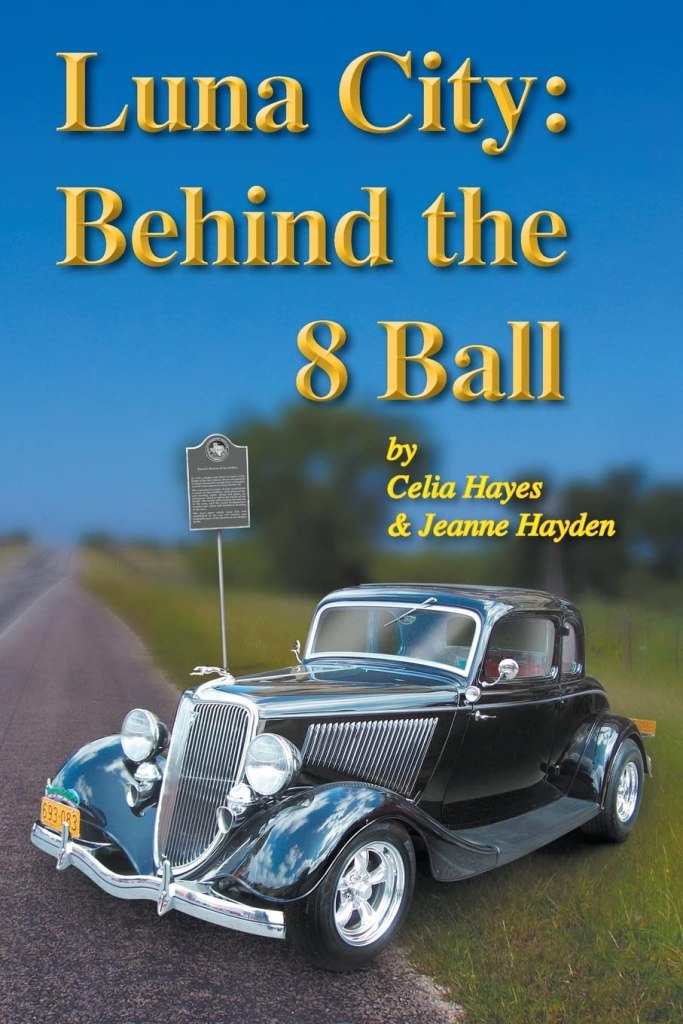




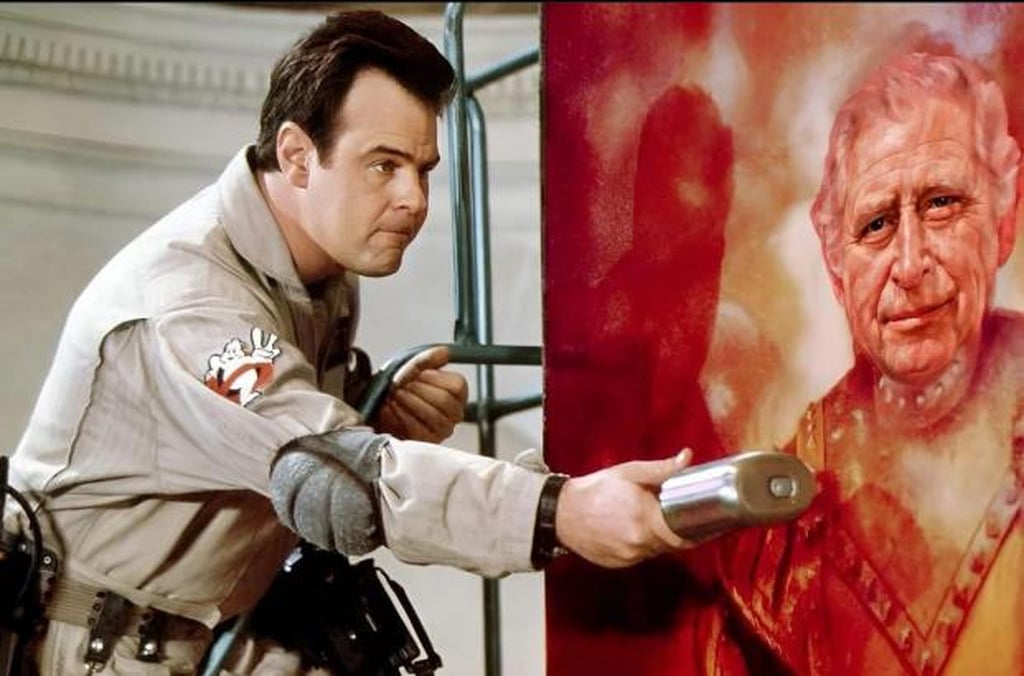









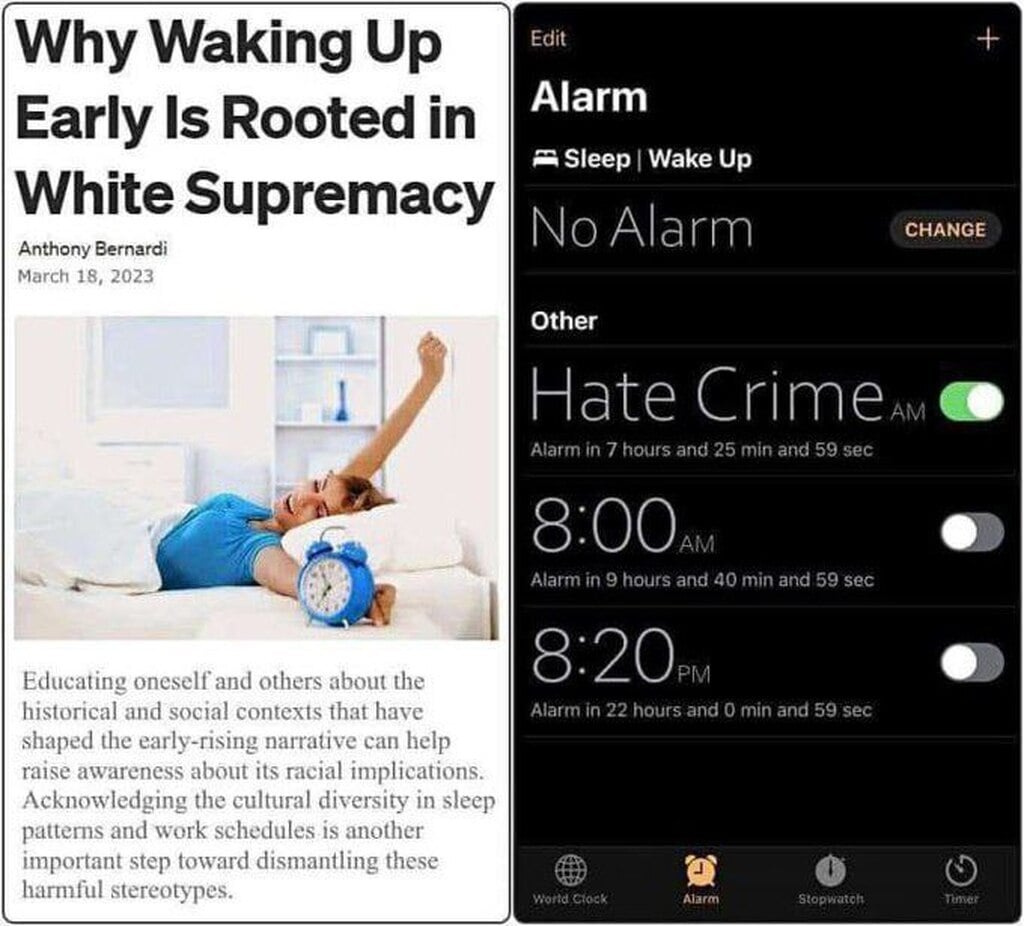
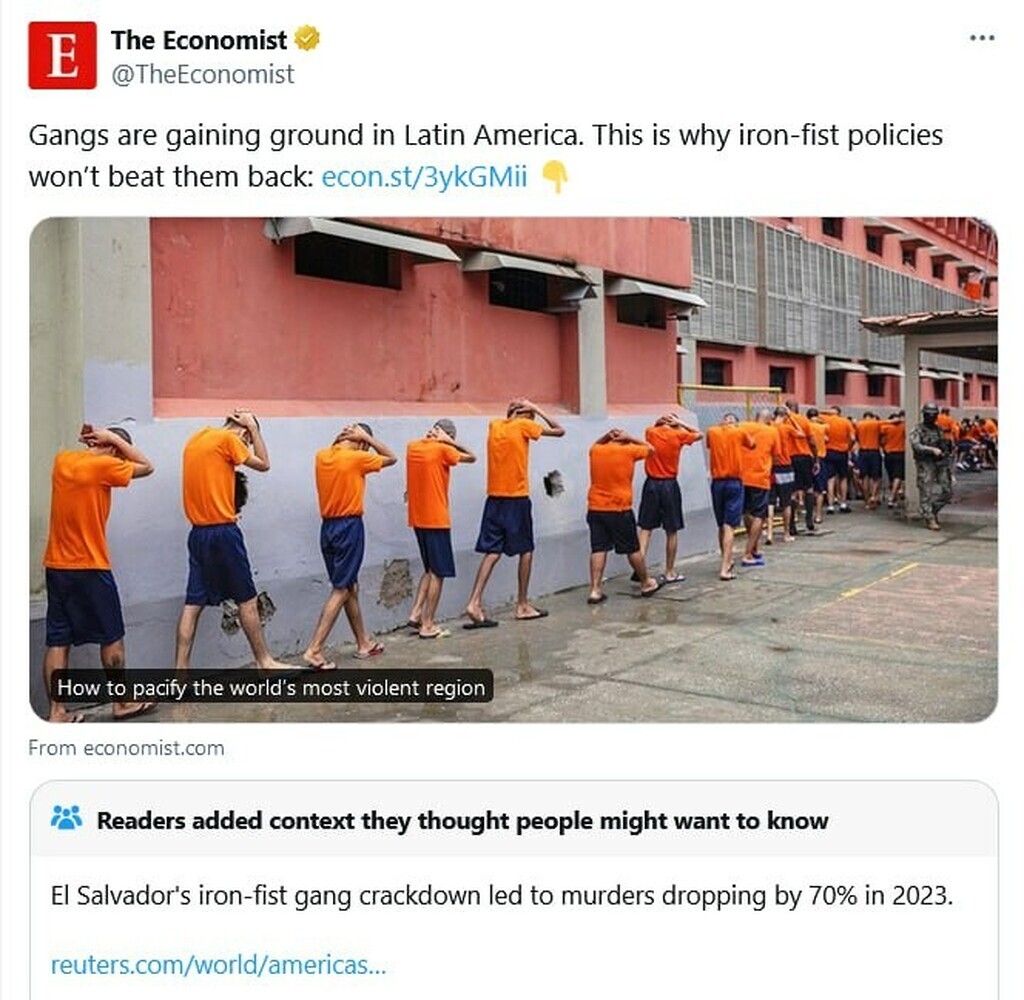
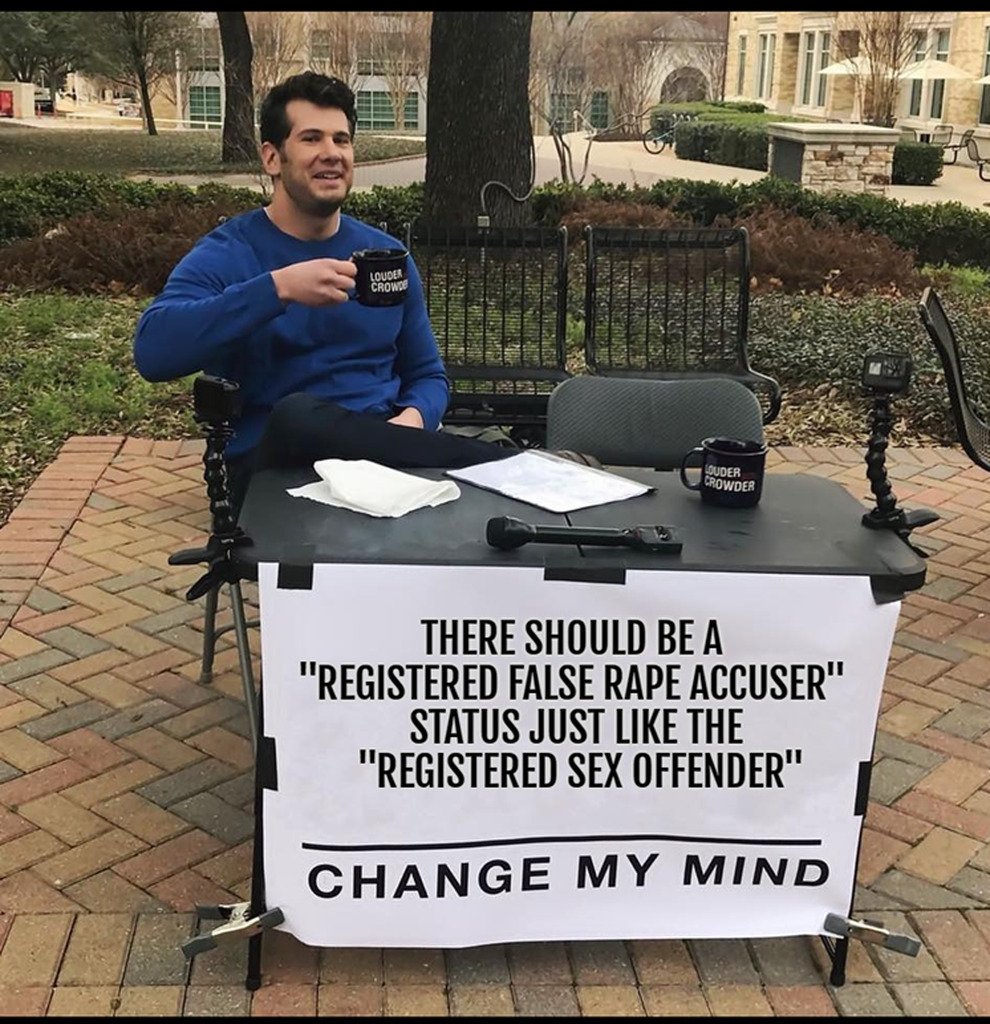



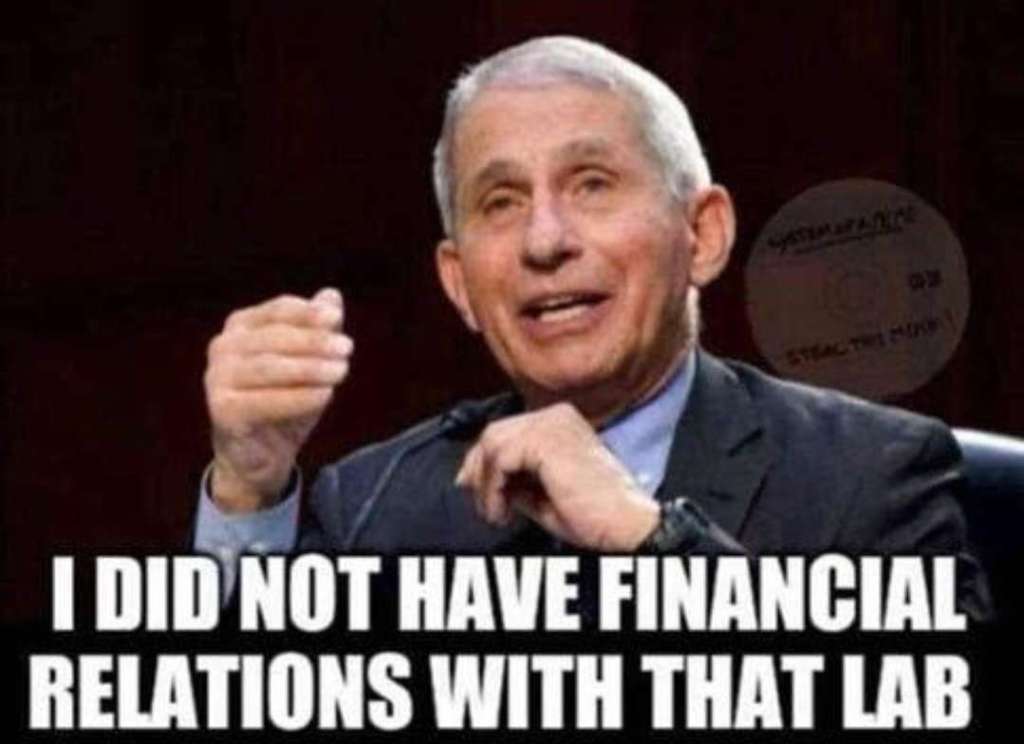

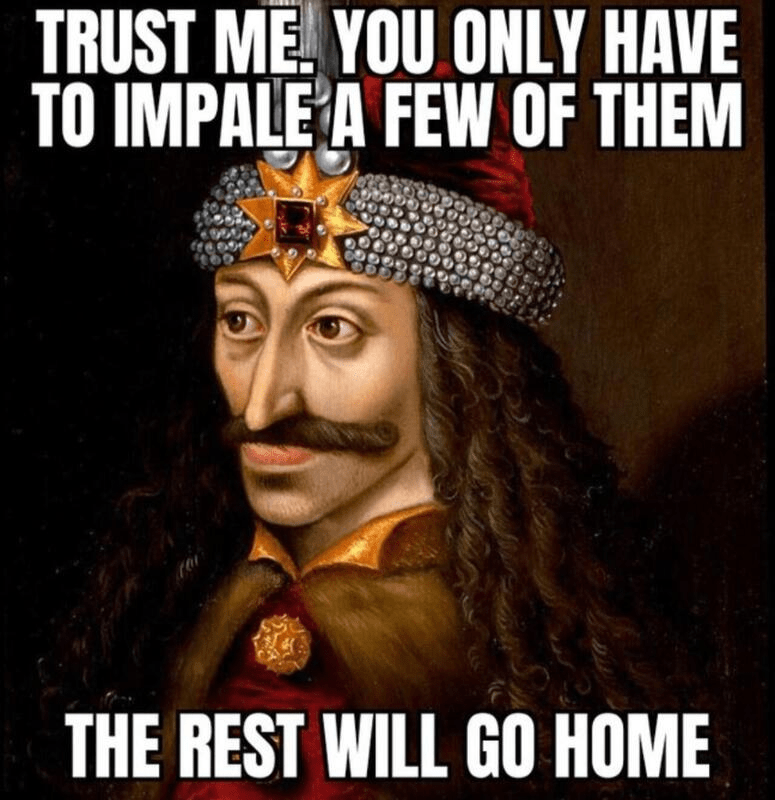















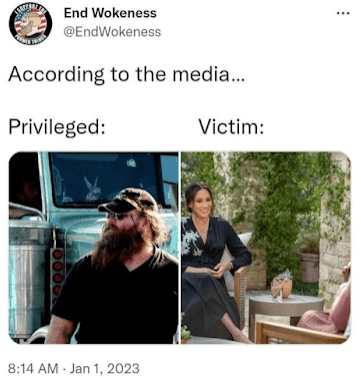
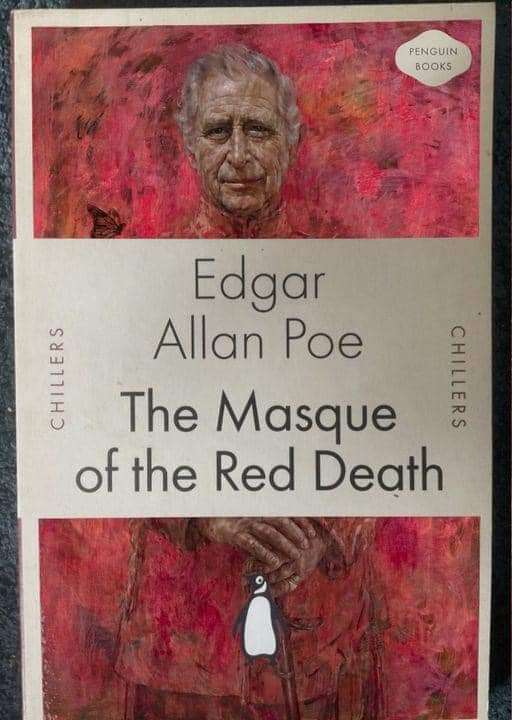





































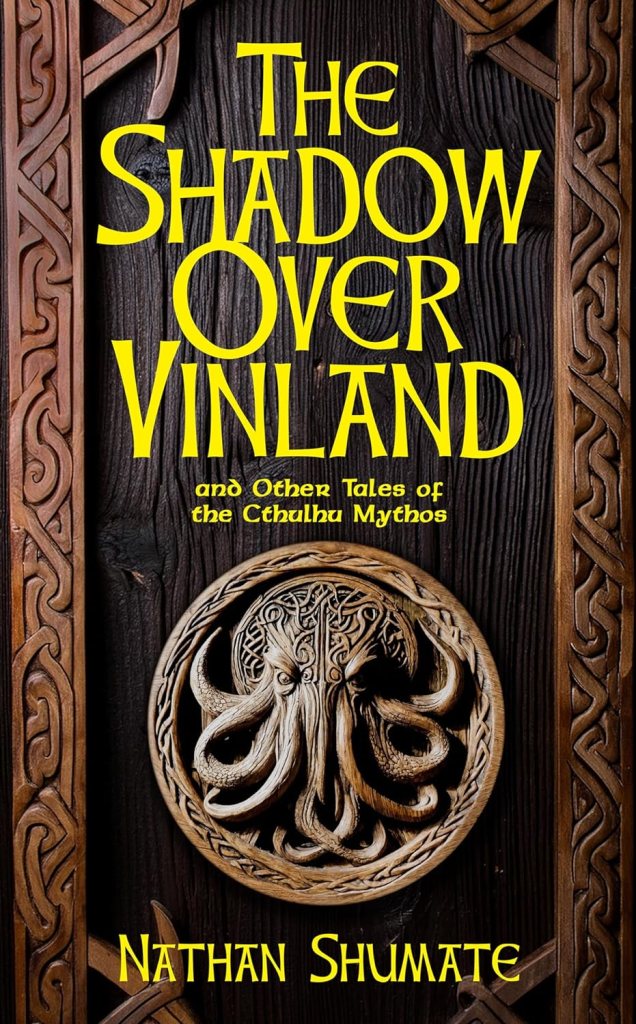




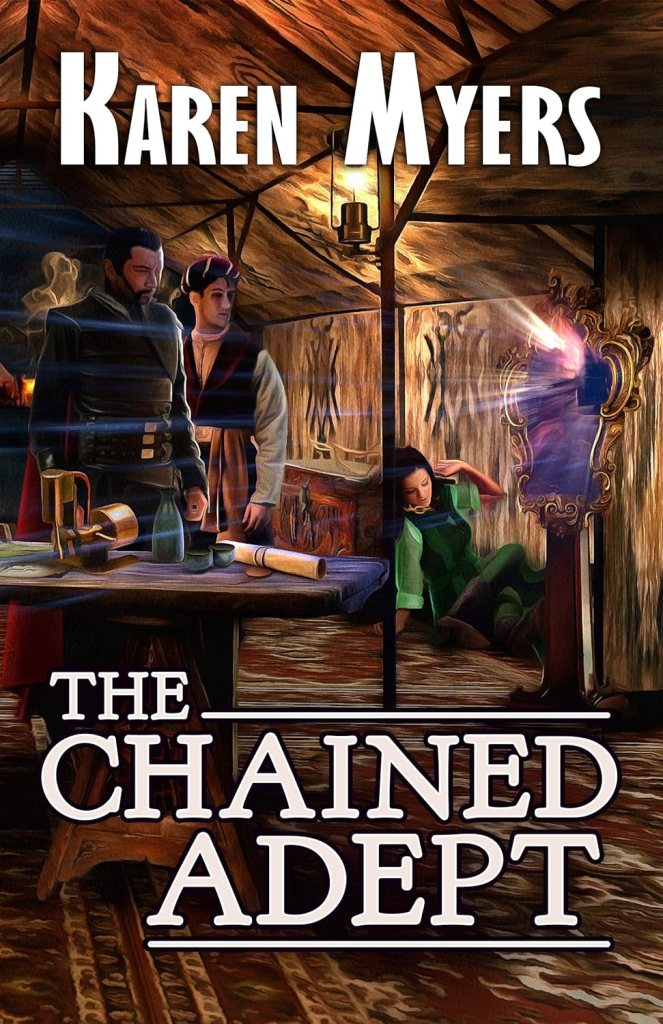












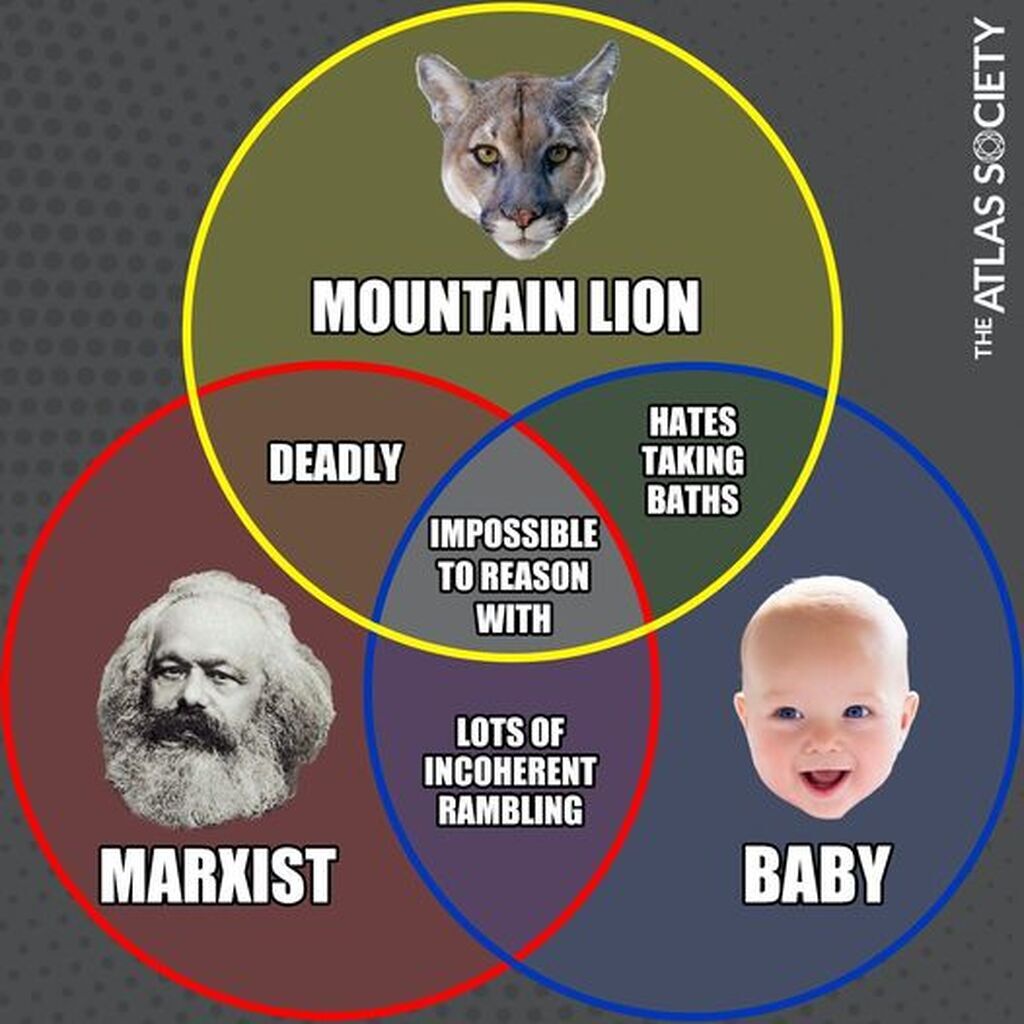


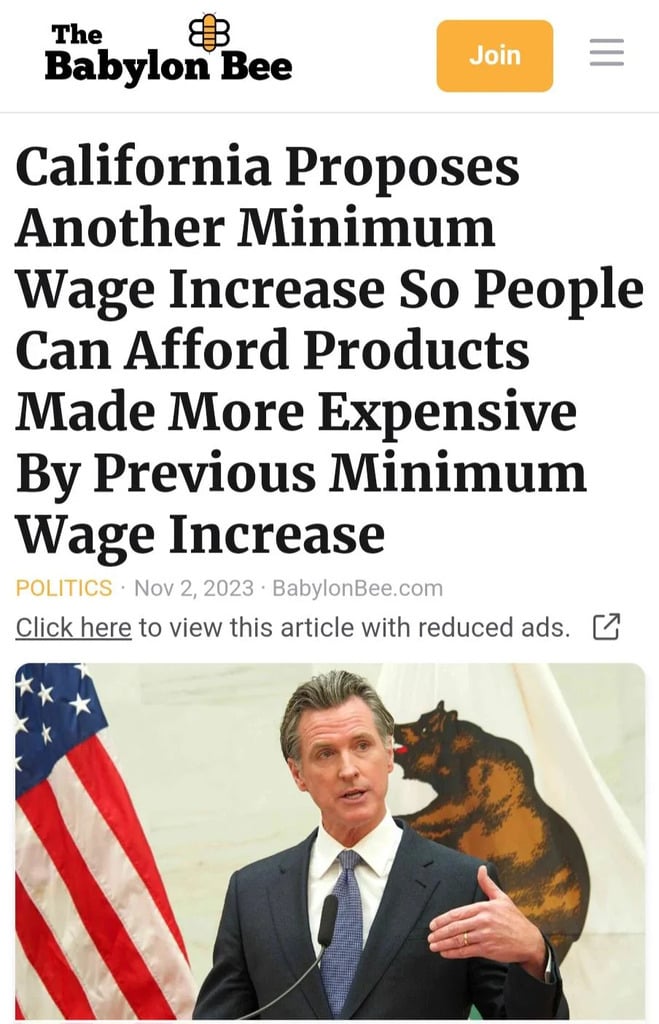

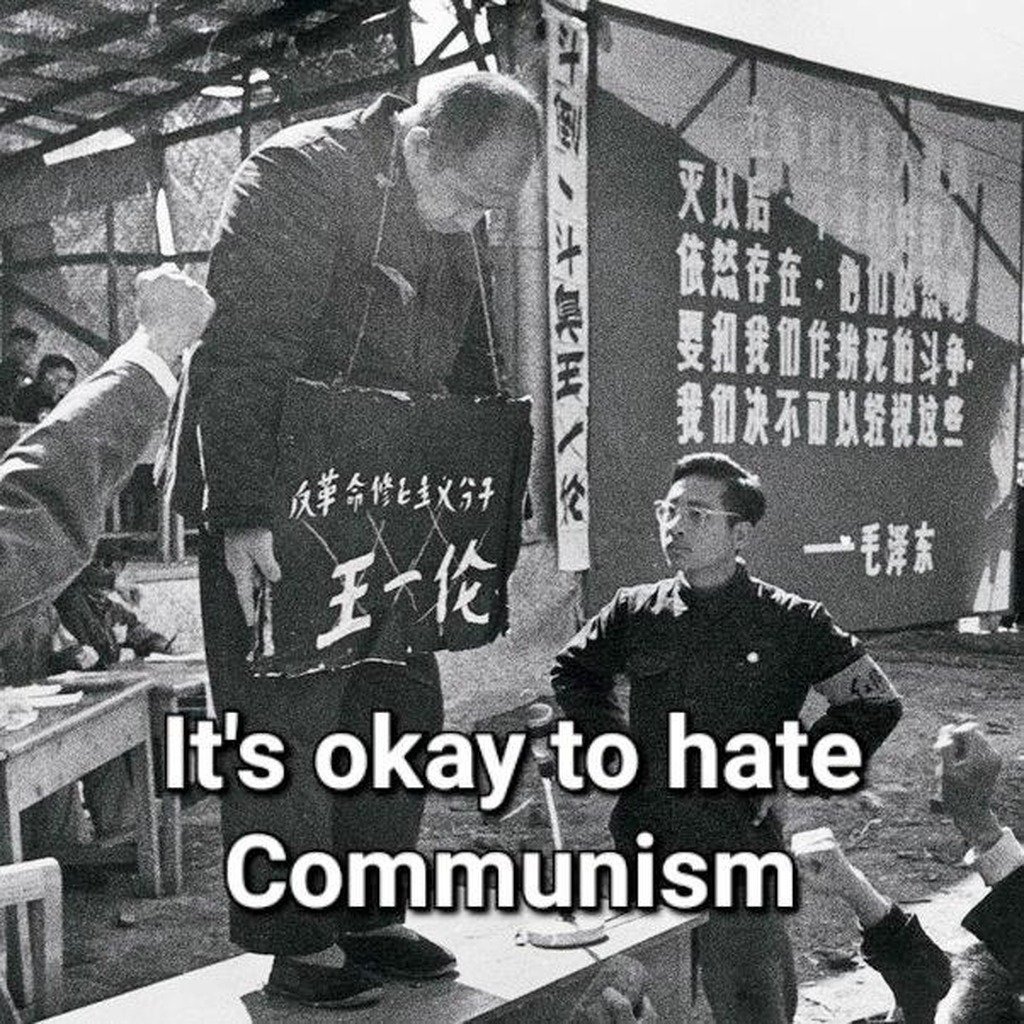





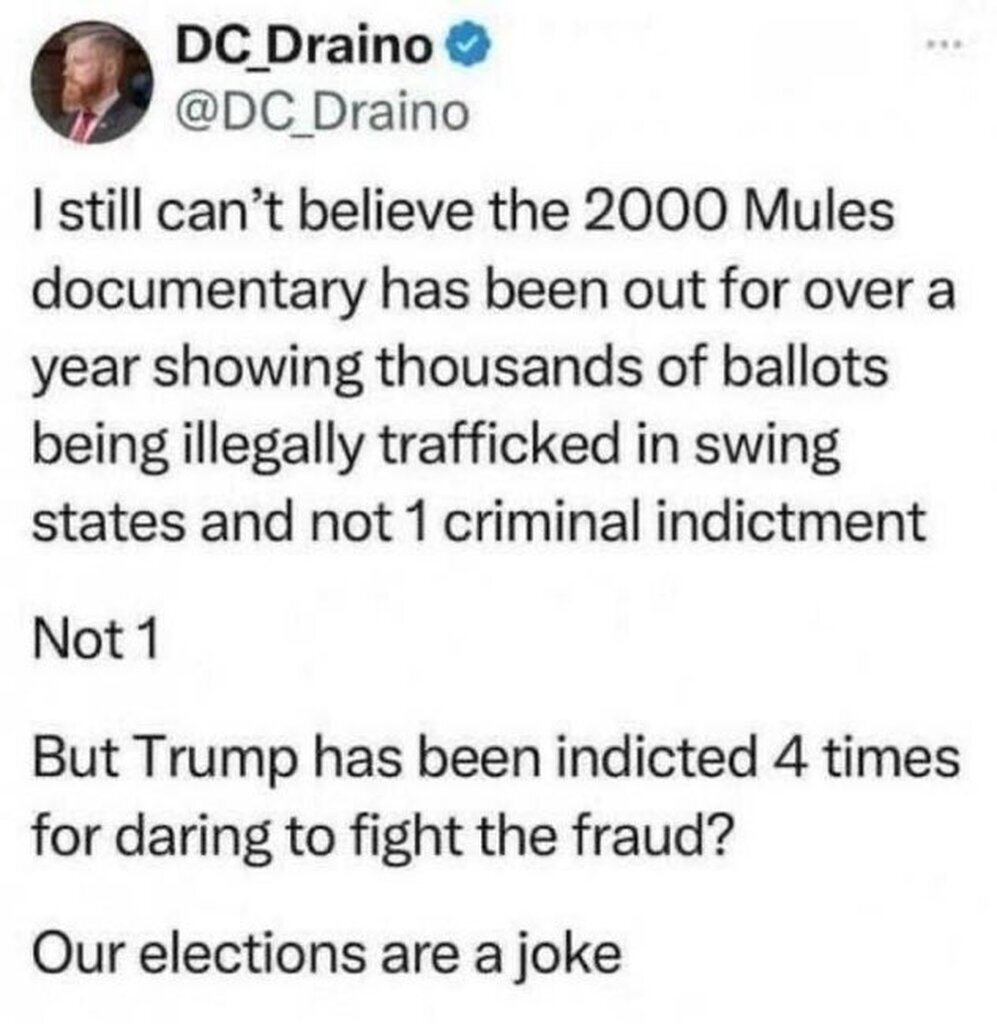




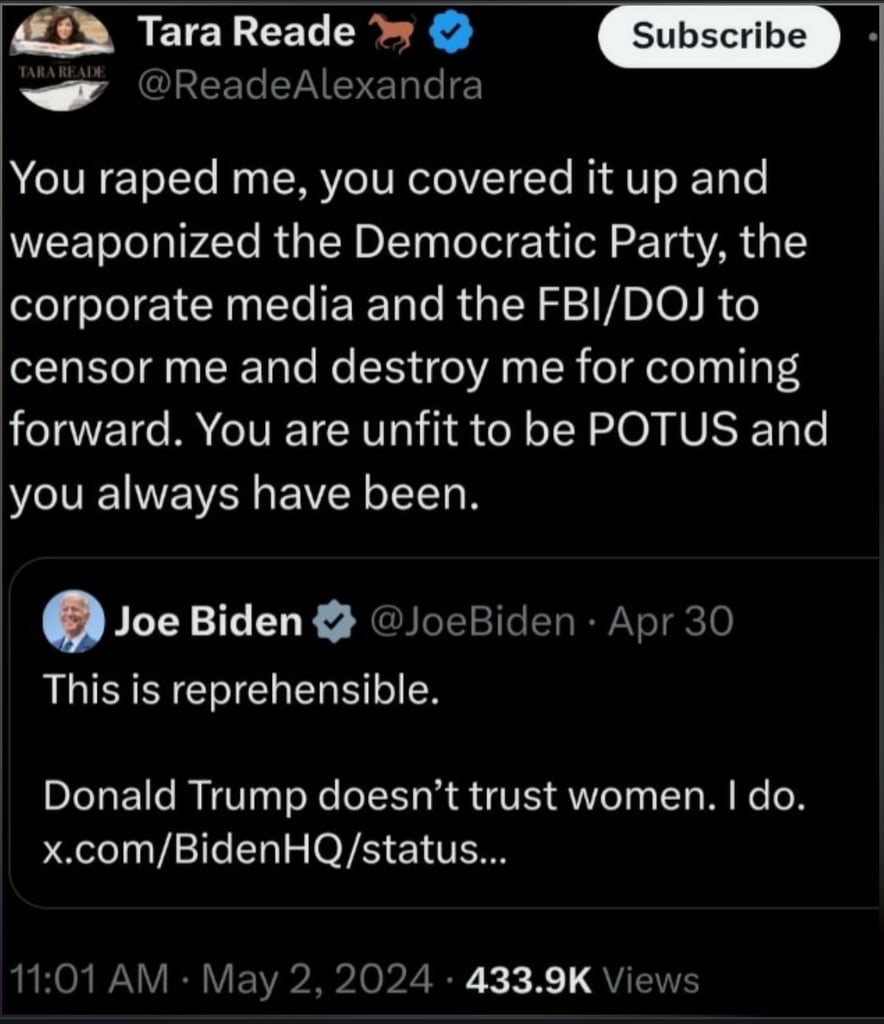


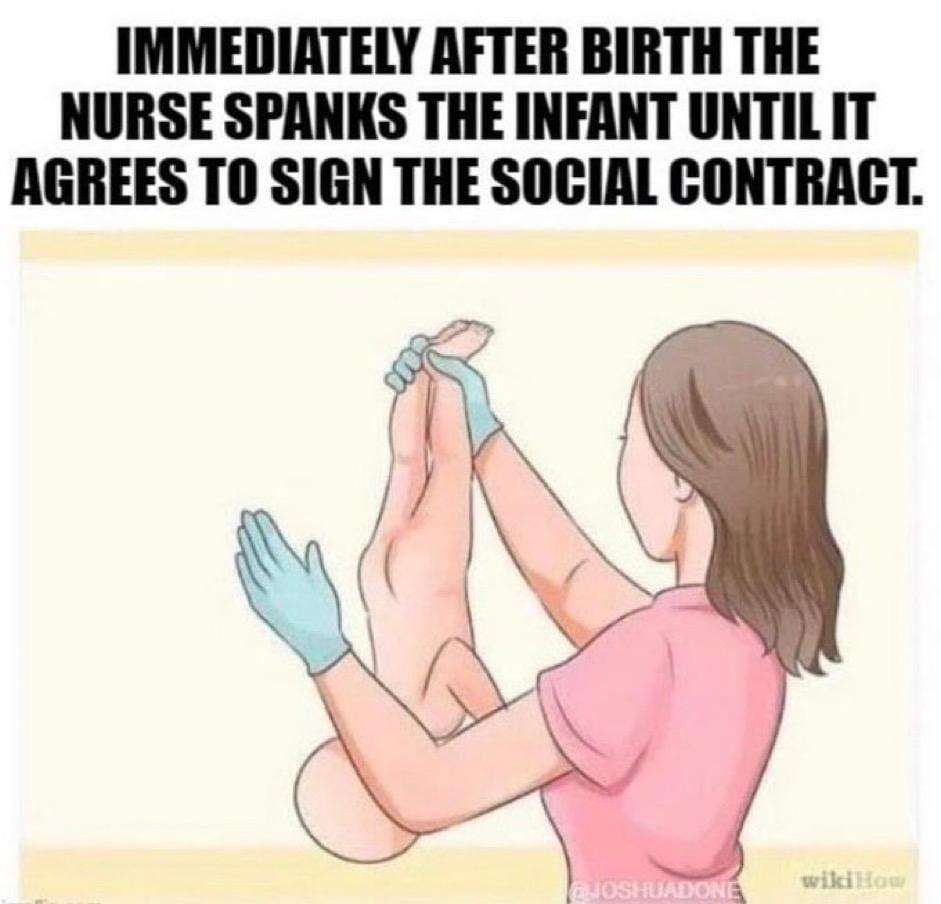












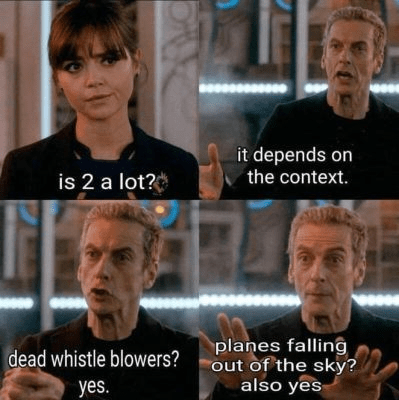
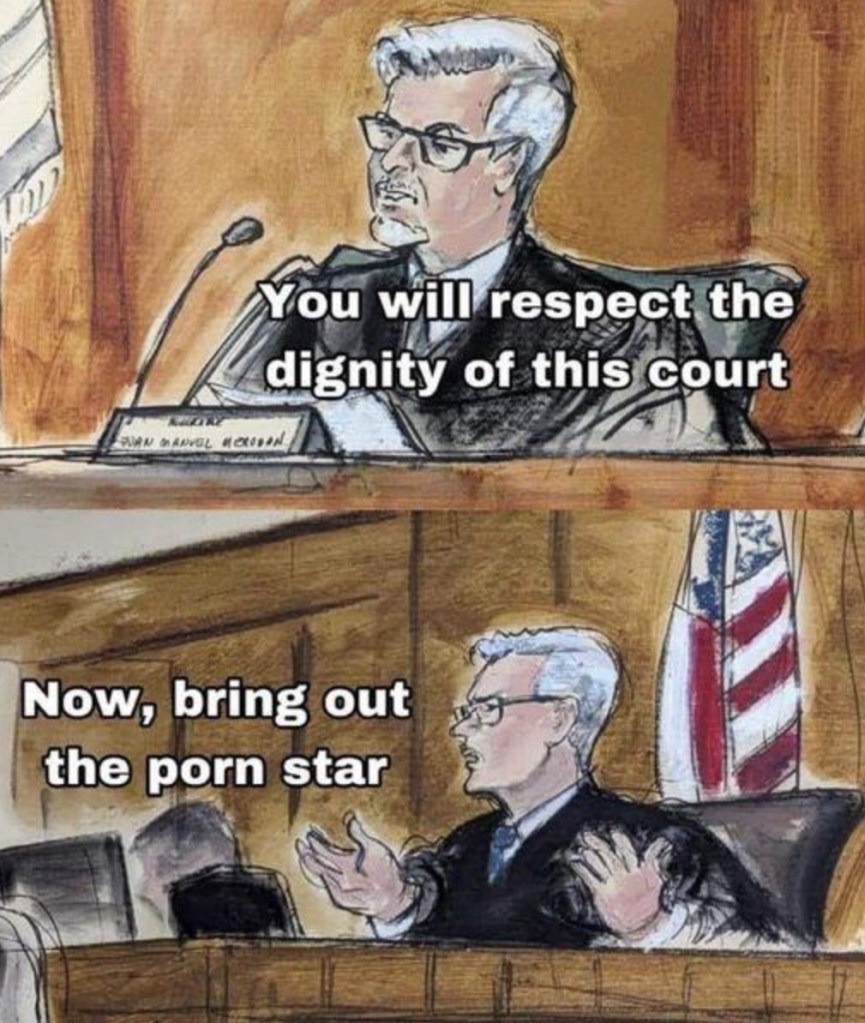




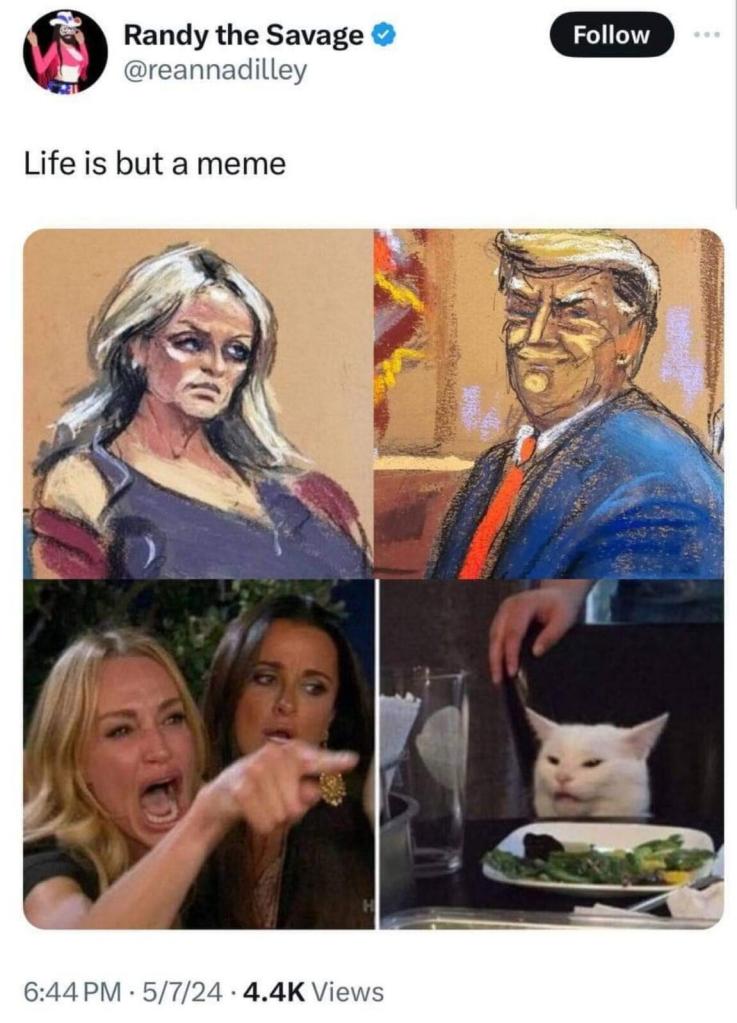









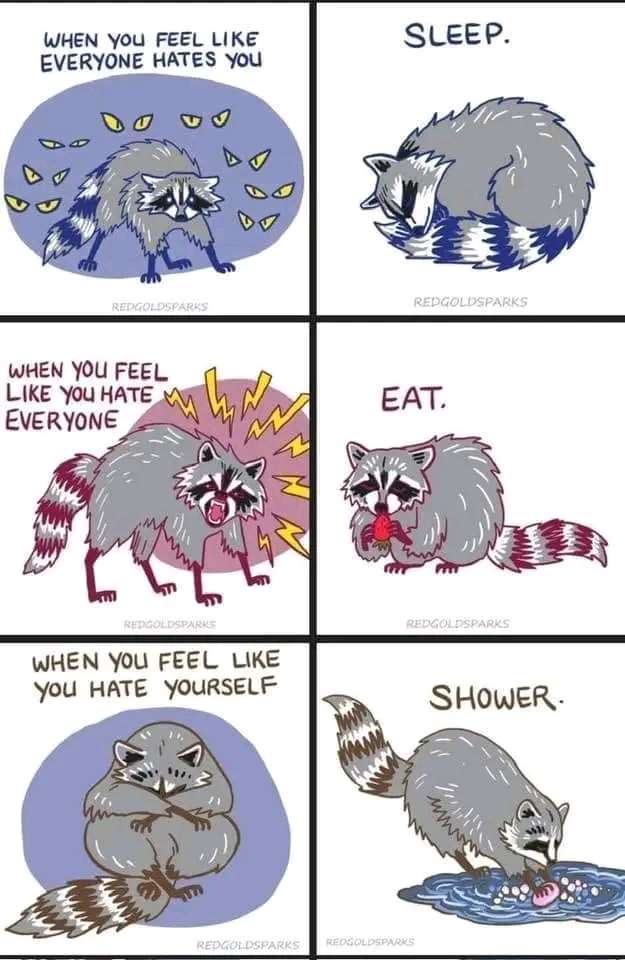












 According To Hoyt