

























































Born Free
This week’s five, and links to past listings.
And the four before that… at the end of the long list of all of them.
And yes, thank you for asking. We are nearing completion. Probably 10 more. 15 at most. (CRIES.)

Remember mean girls? Or really the “cool kids” of either sex? Remember how they used to make your life a misery? No matter what you did, either trying to pass unnoticed, or trying to fit in could save you from their scathing looks and their expressions of utter derision. And you could never even figure out why they were doing it or what had triggered this particular attack. Their rules seemed to change all the time. The only rule was you were wrong, they were right, you were a loser and they were super-cool.
As an aside, know how any of the main culprits are doing now decades later? We’ll table that for a moment.
I was talking to Bill (Reader) the other day (incidentally pray for any conservatives under cover in the ivies. No, seriously.) We were talking about the peculiar experience our kind had through the Covidiocy and he said part of the reason most of us held fast even though the entire world was vying to convince us this was a world-ending emergency is that we had experience from school. Elementary and middle school and yeah, even high school. As in, most of us had been bullied or ostracized or looked down upon by people the establishment (teachers, employees) and most other students treated as minor divinities. And most of us couldn’t fit in or escape attacks even if we tried. So eventually we gave up trying and the lesson public school taught us was to stand with our arms crossed and feet planted, glare back and tell the world, “No. You move.”
Or at least it did some of us. Others broke, badly. But those of us on the broadly defined right — “to the right of Lenin” being how I define it — obviously didn’t break. Even if we might have gone a little nuts.
In answer to the above question: most of the mean girls whom I loathed and who made me miserable (they couldn’t hit me. I was massive. But ridicule and subtle derision and pranks are no respecters of size and strength) and whom I chanced to hear of — mom was never able to understand ‘went to school together’ isn’t the same as ‘are besties’ — have… not done great in life, honestly. About the most successful has a decentish mid-level career, but is on husband number 5? 6? and looks like she was run over by a train.
Now the crash and burn of these people might be/is because they had their glory days too early. Or at least I always thought so. But in thinking about our current cultural situation, I have…. more nuanced opinions.
You see, mean girls — in my case, literal. It was an all-girl school, but mean girls, really, can be either sex — are products of a certain set of circumstances.
Schools aren’t natural environments. They are centers of centralized authority, administered from above by people who don’t much care, but do a great deal of picking of winners and losers. (Winners and losers for reasons that have bloody nothing to do with the ostensible reason for the existence of schools: education.) In fact by people who are social-engineering and picking the winners they think are “good” for their goals. (Mostly of making them look good.) Also you’re locked into it, not allowed to escape. You have to be there every week day for a set of years. With the same people, in a closed and artificial system.
People who become “winners” in this game are mostly experts at socially manipulating circumstances to make themselves seem superior and put together. They congregate in networks that do not admit challenge, and work mostly to keep them ontop.
Once they get to the real world, people respond differently to their manipulation tactics, but more importantly, their networks are disrupted and people can avoid them/don’t need to be around them every day. I suppose some of them — the brightest — will adapt and learn to avoid the situation. But most don’t, from what I can see (not that I have done a systematic study, or have any intention of.) Because their entire power/lifestyle was built on DERIDING OTHERS to make themselves seem important, and because they didn’t even have any firm principles behind that but just “tear down anyone and anything that might be a threat to our power” they have nothing to build from or towards.
So, let’s talk about the present situation of the left.
We used to believe — still see this in comments — that the left (and their distant patron the USSR) were ultimately good at one thing: propaganda. And for a long time, they seemed to be so. They could convince people of the most ridiculous things and more importantly, they’d made leftism into a positional good. If you wanted to show you were high class you’d be as leftist as possible in public, all the way to communist.
Turns out though that this wasn’t in any way shape or form a natural system, any more than the public schools are. It turns out they could act superior, sell leftism as a positional good, and act like we were the baddies because they controlled critical positions in the information/art/entertainment industrial complex. They could therefore keep out anyone who disagreed with them, and act like all smart people agreed with the most outrageous idiocies of the communist mind.
The fact that the pipe line of this system often started with the leftist teachers/professors in schools is not a coincidence.
There was no way to tell of course. Not while they controlled the information system we were forced to use every day. In fact, like with school, we assumed this was just the natural order of things. See how even people on the right argued that the right just wasn’t as creative as the left, since all great writers/artists were leftist. (Even Jordan Peterson. And the reason he adduced was mentally deficient. In his mind, it was because the right is more rule prone and doesn’t want to change the system. Missing that the system and the rules have been leftist my whole life. That to be on the right is to be a rebel. Sigh.)
The fact their entire eco-system of “creatives” was being supported by our tax money via several NGOs just made them seem more popular and like everyone liked them, which of course reinforced their idea and other’s perception of superiority.
… but this is not the case anymore. And it’s becoming glaringly obvious it was all fake.
In fact, the more distributed the information system gets the more the left is becoming like the mean girls once they leave high school: bitter, vociferous, and attracting only the mentally ill.
I know one looks at the “socialists” winning tickets in our big cities and the one certified fascist in Maine and is tempted to believe they have some kind of power still.
They do actually, it’s called FRAUD. Note mostly these people “win” in big cities, which are always hubs of fraud (because it’s way easier to fraud the vote where people are largely anonymous and there’s a lot of them.) Hence the opposition from lefties (and RINOS) to the SAVE America act.
However, they are a rump (appropriately) movement at this point. Their strength is MOSTLY fraud. They’re not really convincing anyone. Or at least not anyone who isn’t indoctrinated and/or still captive of the artificial educational establishment.
They are ultimately mean girls. They didn’t work for their cultural ascendance, it was handed to them. And their entire power was based on tearing down, destroying and debasing their native culture. They can not create, build or uplift…. well, anything.
The reign of the mean girls is coming to an end. First slowly (these last 20 years) then suddenly, you’ll see communists and leftists in general being derided as the sapskulls with nothing but evil and vain gloating on their side.
Their fall will be sudden and terrible.
And glorious.
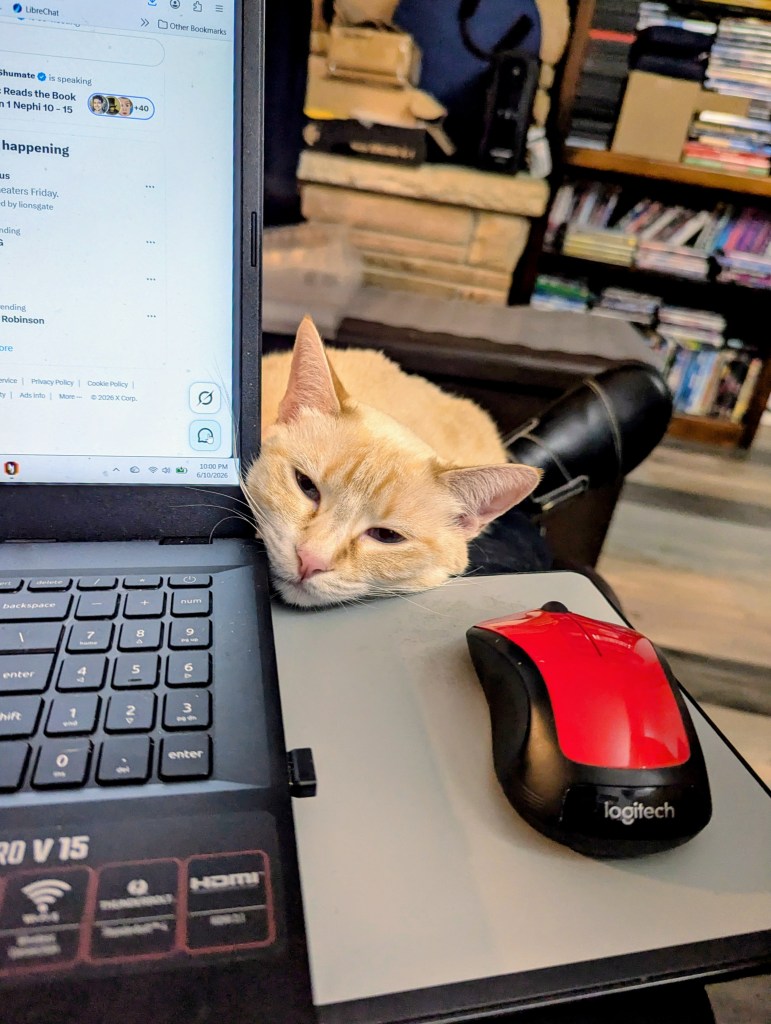
Yes, that’s muse the cat. In this case, she is indeed sleepy. This is her favorite place to sleep when I’m here, downstairs, probably because it’s very convenient for me to pet her while working on other things.
BTW my kids have taken to making fun of the poor little girl because she’s a little chonky. Like they have room to talk.
Anyway, in this case, non-literally, the truth is the writer is sleepy. I either need a nap or more coffee, and your bet is as good as mine.
I had a brilliant idea for a post, but it was the middle of the night, and I didn’t write it down, and now my mind is full of cotton wool.
It’s a relatively (Ah) low run-around day with only one brief medical appointment, to which I’ll leave in probably half an hour, and the work of refinishing the living room tables in abeyance, due to my not being able to find the mouse sander fine pads (trust me, that sentence does mean something) and therefore having to wait till Amazon delivers tomorrow. (Well, yes, I could in fact go to home depot, but that would make the chances of working on it today zero, since it’s all the way across town.)
So, if I can get a short nap in, it’s sort of an ideal day to write fiction after the (hopefully) nap. And I’m going to try just that.
Treat this as an open post, because there actually is a lot to discuss and my commenters are the most interesting part of this blog.
I’ll be upstairs, working on novels. If you need me, those of you who have my phone number, text.
If not, I’ll see you this evening.
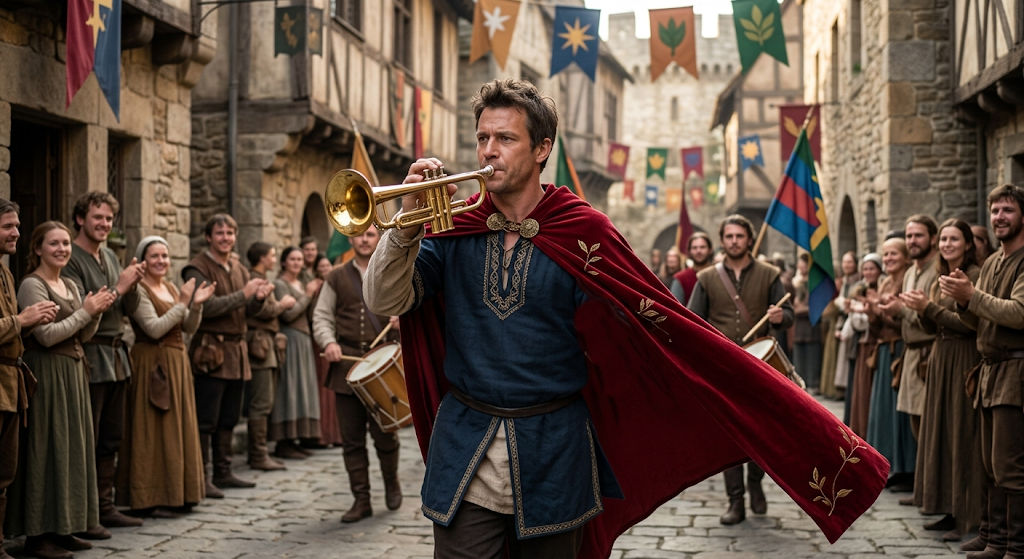
The Still Small Voice of Trumpets by Lloyd Biggle Jr. had what was probably a disproportionate influence on my writing, simply because it was the first “fun science fiction high jinks in a different world” and possibly because I was always a culture nerd to an extent.
Thing is I still remember reading it when I was 13 or 14 and being immediately sucked into it and into the wonder of it.
If you haven’t read it and are going to object to spoilers, do not continue. Though I’ll say it still reads very well if you know how the problem is solved/how it ends. If you suddenly go “Oh, it had an outsized influence on NML”, well, yes, since it and the precipitating event that led to NML ever forming in my head came close together. Though they’re very different kind of books, in a way.)
Okay if you don’t mind the spoilers, TSSVOT is a “clever trick” novel. A distant ancestor of Captain Kirk on the mind-side.
The ambassador is supposed to precipitate a “democratic” revolution (in the sense of for representative government) in an absolute hereditary monarchical planet. The culture is obsessed with beauty. The most revered people in the culture are harpists. Whenever the king gets tired of one of them, or thinks the harpist has gone too far, or because the king has a toothache, he has the harpist’s arm amputated. Then the harpist becomes a thing of horror for the people. They hate deformity and handicaps, as the reverse of loving beauty. Also, of course, they can no longer play, so once they’re in the one-armed camps (to be fair, all sorts of people end up there, including king’s valets, etc. But the harpists are the ones that go from idolized to outcasts) people completely forget them. To the people, they’re dead.
Our hero (TM) finds a way to bring the harpists back to public consciousness and thereby precipitate a revolution by inventing a trumpet that can be played one handed, having them magnificently dressed and having them parade while playing. All their former fans remember them and the injustice of how they were treated creates general dissatisfaction.
There are — probably — several errors in this, including the fact that it takes way more than simply being aware of tyranny to precipitate revolution. However, for a single book, it works. And mind you, as we’re finding in Great Britain, being aware of tyranny is half the battle. (Here too, for that matter.)
So why is this on my mind again?
Well, because some years ago I was struck by how much the one-armed harpers situation paralleled that of writers in traditional publishing. No matter how adored you were — at least up to a threshold — you could be simply “cancelled” — i.e. they could refuse to publish you for any reason or none — and you might as well be dead.
The pressure on writers — all artists really since under the entertainment/news industrial complex, they were all subjected to this possibility of being cancelled — was enormous. You tried not do what would lead to being cancelled well ahead of it. As someone who lived it: it controlled what you did and how you did it well before you might come to anyone’s attention. And because it was (yes, political in SOME cases, but also political in the way of Woke “new directive came down. You’re now double plus ungood.” Often crazily and arbitrarily. They’re now of course cancelling the SSVOT for “sexism”. Will someone get my eyes? they rolled under the sofa.) largely arbitrary what this did was get inside your head and fester.
Okay, it didn’t help that I was almost fired after my first trilogy — a trilogy that EARNED OUT and was taken out of print the day after it earned out — for reasons that still make no sense to me (unless my glass-front face had betrayed me or someone had found my spicy letters to Analog a few years earlier. Which is likely it.) But all the same, what this system did was not only set me up for massive neurotic burn out, as I expected to be cancelled out of the blue any minute for reasons I had no control over, but messed up my relationship with my editors, even the one that had a chance of being halfway decent. I adopted a policy of hiding and not being seen, save for randomly sending books in (increasingly more randomly and utterly detached from contract due date as the burn out made itself felt.) This wasn’t particularly good for my career, but it was me trying to cope with the situation was was.
I also for a while tried to “say the right” (left) things as a shield, until I woke up one morning from a nightmare of seeing myself morph in the mirror, and realized it was a true dream, and that I was in danger of losing my soul (even though at the time I wasn’t 100% sure I had one) and JUST for continued publication, which seemed like an insufficient payment, if you know what I mean. That’s when I started (slowly) taking the mask off, and thereafter was only publishable by ONE house which made me feel even more precarious and–
One bizarre manifestation of this was my hobby room, which I am in the process of dismantling and dispersing, and which had grown to the level of insanity. I was hoarding how to books and craft supplies for things I’ve never done, with the same fervor that people hoard #10 20-year-stable cans of food. (Who are these people, you say? Well, I’m also one of them, at times.) WHY? because crafts hit the same mental/emotional spot as writing. And I expected to be well, technically “laid off” at any minute, which meant I needed to do something with the rest of my life. I’m dismantling it, because honestly, in the time I have remaining, however long, I’d rather write the things cluttering up my head.
But that was some amazing neurosis.
So why am I saying this? Well, not to complain, particularly, though yes, I’d like it recognized widely that I might be crazier than a March hare, but I came by the madness naturally and not just through genetics, and also that some systems are DESIGNED to make everyone insane.
A lot of systems these days, because the left has been intentionally breaking them in just this way for a while. Look, in a way, it is because their system requires that society/thinkers/creatives/everyone be broken in this way. The cancelling and the gulags are necessary because communism cannot survive in a society where people fight back. And don’t be deceived by “progressivism isn’t communism” or “socialism isn’t communism.” The goal, the tactics and the objectives are ALWAYS communism. The way there is a sliding scale to hell, on a greased chute, in a flaming hand basket.
So the left creates that system anywhere they get control, because their ideas are laughably ridiculous and obviously evil, and people who are free to say so will do it, and they’ll never get more power, which their ultimate goal and kink, an unclean lust for power over others.
Part of the poison of the system is, as in The Still Small Voice of Trumpets the fact it is secret. It happens behind the scenes, where no one can see it, and the cancelling is always explained other ways. “Oh, we don’t publish so and so because the numbers were bad.” Or my favorite “We can’t publish them because they’re difficult to work with.” (Which was true, even, since difficult to work with is defined as “will not submit” and “insists on having his/her own opinions.”) This led to writing but also the arts, teaching (particularly at the college level but at this point all the way to elementary school, theater, film, Hollywood, news readers, reporters, in short all the “liberal” arts fields (though they’re now pushing into STEM fields as well.) becoming fiefdoms of the left where only one opinion was heard.
It also lead to lots of fights with me on one side and everyone on the right on the other, where people tried to figure out why the right wasn’t “creative.” The funniest of this was my fight with Roger L. Simon (Whom I LIKE) where he insisted that no, the right wasn’t creative. Why was this funny? People, he had already written Blacklisting Myself, but was apparently unaware that EVERY field was under that same boot.
As a rule of thumb, if only one (broad) side of the spectrum is heard in any profession (or country for that matter) that is not organic, and opinions aren’t free there. BECAUSE THAT’S NOT HOW FREE PEOPLE BEHAVE. (The same as the left raging against inequality. Inequality (economic, of behavior, of education, etc. etc. etc.) is the mark of freedom. The only way humans are equal is if someone is over them making sure all the peasants are the same.)
So why is this relevant again? Two reasons.
First, writing is largely — if only most writers knew it/admitted it — free to romp in indie, and the pay (at least for me, tovarich, I don’t know about the rest of them. I have no visibility into their income — comparable or slightly superior to trad pub (even if the penetration is theoretically smaller. Note I said theoretically, because… who knows? Like all numbers, it’s hard to be sure either way.)
The reason I encourage anyone going indie/trying new ways to go indie is not that I have a hard-on against publishers. My last publisher was largely (within limits) okay, and I think well of Rac press. It is because I want the system so dispersed that it’s impossible to gate keep it again. To that end, yes, we need work arounds for Amazon, and there are ideas, but mostly writers seem to be going to their own shops, at least after they have any following at all. And that’s better, because even more distributed. But yes, it’s a work in progress and I gleefully support the decentralization with time, talent and treasure as much as I can.
That’s writing. News too to an extent. It occurred to me some years ago that for given values (if you squint) I’d come to realize my early-ambition (like before 12) of being a journalist AND magazine owner. Eh. It’s weird but it works, so….
However, not everyone has got the memo, and a lot of people are still trapped in a system that has gotten way crazier and more arbitrary. (This might or might not explain Maher who has had red-pill moments throwing behind Platner. In fact, Maher himself might not be aware of why he did it. As I said the system gets inside your head.)
And then there is Hollywood. Hats off to any actor who dares not be woke. HATS WAY OFF. Even if they beg, shimmy and try to have it both ways, they’re running a huge risk. Bigger than writers because writers aren’t that well paid. Same for professional athletes. Same for– well, anyone in a controlled field.
HATS WAY OFF. And for the rest of the right, keep in mind these people aren’t free. Heck, they might be double thinking so hard they don’t know where they are. Don’t judge them too harshly, even as you make it easier for them to be able to think clearly and say what they really think.
Second: while on that: This is what makes it so difficult to distinguish people who were faking/true converts from the weasels who suddenly are on the dominant side. I bet at the fall of Nazi Germany and Soviet Russia a lot of people came over to the other side, and honestly? It’s impossible to tell who is who. You can’t tell if this person was undercover and finally free to be him/herself, or if the person is a weasel chasing power. Or a baddy wanting to corrupt your movement. We’re already running into some of this in politics, (And much as I like Marco Rubio I wonder if he himself knows which of those he is. Yes, I know, but think on it.)
This is why a civil war would be so costly and why a lot of people on our side would succumb to friendly fire, even as a lot of weasels and baddies survive.
Third: what we need is the equivalent of indie for EVERYONE that it is remotely possible to do that.
(This is one of the reasons I’m strenuously for just calling student loans a bad bet and cancelling them. Most doctors never pay theirs off, and not the way you think. At least for those graduating (my urologist tells me) in the last fifteen years, not just the loans but the terms, and the fact that it’s under government aegis and things change without warning about what is due, when, and what the interest is, even, are so huge and unmanageable and unpredictable that the best doctors can do, even at the salaries they eventually make (after residency, fellowship, whatever) is pay on them in some amount till sixty five when the loans are forgiven (And taxes due for the amount forgiven.) Now you might flap gums about how that’s fair (I have opinions, and most of you won’t like them, including for ex. the fact that it’s the government loaning the money, which means the money has been printed and spent. it was already stolen from you via inflation. Because fiat currencies are fungible.) BUT the fact is those loans, hanging over the heads of highly skilled people who are already highly controlled by government licensing (Seriously) amounts to slavery. If you don’t like that your doctors lied to you about Covid and the Covid vax you should be for the forgiveness of student loans. People whose survival depends on saying what they’re told, will. Unless they have independent means which most don’t.
It’s not just doctors. Lawyers fall under the same heading. As do a lot of other, expensive, requires-graduate-degree professions that are government licensed.)
This includes of necessity Hollywood — in case you wonder why I am AI-positive — and of course news reporting, and frankly everything you can think of, which I’m sure includes thousands of things that aren’t coming to my sleep-and-caffeine deprived brain. (Not to mention paint fummy. I’m refinishing some stuff.)
And this is where “what can you do” comes in. In any way you can think of where you can support a field’s diversification (real diversification), free-form-dealing, and decentralization, DO IT.
Chaos (in this case) is on the side of freedom. And the system that keeps things “organized” is ultimately an iniquitous system for gagging and controlling people.
Build over, build under, build around. Refuse to be controlled.
Take up your trumpet and play the best music you can.

There are very bizarre ideas stalking abroad in daylight unashamed. And they should be ashamed, because they’re bad ideas and quite frankly ideas that are antithetical to what America is. At least an America distinct from Europe. (And if you don’t want to be distinct from Europe, your understanding of history leaves much to be desired, but we recommend a trip over there, living as the natives for a month. Just a month It will cure you, I betcha.)
Oh, yeah, the poor kid who got stabbed by a black kid is a problem, and a bunch of black people and academics coming out to say that just touching the poor oppression flower was worthy of being killed is a problem.
What it doesn’t have anything to do is with the color of the people doing it, except insofar as the US has spent the last several decades weaponizing people who tan into a dysfunctional culture. Yes, that is specifically one political side in the US, but it doesn’t make it any less real, and it is a shame for all of us. Also, if it makes you feel better that side of the political spectrum wants to do it to every single American, not just people who tan.
None of which is an excuse to run around being idiots. I’m particularly fascinated — in the way one is fascinated by a poisonous snake: from a distance and preferably from behind glass — by the bright idea that suddenly only Northern Europeans are white, or only Northern Europeans understand freedom and representative government. You know, the form of government inspired by the Mediterranean people — Greek and Roman, mostly — and which frankly had a hell of a time in the Norse countries where the harsh climate has always inspired more communitarian solutions. It is not a fluke that the Scandinavians and frankly the Germans took to socialism like ducklings finding their long lost mother (National socialism is, duh, socialism) or that the parts of the US colonized mostly by Scandinavians tend to be the most easily seduced by socialist solutions. Pfui. It would help if people engaged their brains before running their mouths.
All this to say that, no, I also don’t have anything against light eyed blonds. Despite the fact my husband has dark hair I’ve always had a weakness for redheaded men. (Actually forget the despite. The problem, gentle readers, is that from the age of 14 or so I became incapable of speaking or even moving much near red-headed men. Which is fine. I caught a mathematician, which honestly is my sexual orientation.) Note what I said THE CLIMATE encourages a certain type of CULTURE. In areas where they were the primary colonizers, the culture LINGERED, but individuals who moved away are as capable of loving liberty as the rest of humanity (You know, that means not a lot. Though Americans seem more predisposed to it and I suspect it’s nature AND nurture.)
Oh, but but but AFRICA. Yes, poor fucked up Africa, thank you for noticing. Yes, it does have a lot in common with our blighted urban areas (but then again no, if you look granularly. In fact very no.) Um… has it occurred to you it is because it suffers from the same bullshit from the top down? Look, there is much flapping about colonialism, and that’s as it may be. Colonialism is the only way humans have found to communicate a superior culture to a dysfunctional one that doesn’t involve killing every adult over the age of 3. In that sense Africa didn’t so much suffer from colonialism as from lack thereof. Yes, atrocities and all. Calm your tits. Did they kill everyone over the age of three? No? Then by the standards by which their own ancestors — as mired in tribalism as Africa, when they got colonized by Greeks and Romans and an endless succession of various peoples who were to an extent more functional (meaning their tribes were larger and almost nation sized) — what Africa got was soft colonization. (Which happened in Europe too. Even the Romans rarely killed every adult. Only on occasion.)
What truly and completely fucked up Africa was that the colonizers lost confidence in themselves and their culture before they brought the colonized to the level where people started going “I don’t care what color his skin is, so and so is an Englishman/Frenchman.” Which takes a lot of centuries, the sort of centuries which made the wild Celtiberians “Romans” and sometimes even Good Romans.
Instead Europe got the softs and started examining its conscience — colonialism done right requires you have none, just the certainty of your purpose — and asking itself whether the tribal cultures were better — no, if they were they would have got out of the neolithic on their own and colonized Europe — and all sorts of daft things.
And then they started treating Africans the exact same way as America treats its urban underclass (which is largely but by no means exclusively dark skinned. I won’t say African, because they ain’t. They’re not even African American. Most of them have slightly more African blood than I do, and mine is very little. They just are sometimes darker and mostly have the African hair. (Sometimes.)) I.e. they started “respecting their culture” and treating them as covalent partners in the whole civilization thing. And then when that didn’t work, they brought the African leaders over to educate in Marxism and resentment — see the Patrice Lumumba “University” in Moscow and our ivy leagues which might outstrip it in both silliness and Marxism. (BIRM.)
As a result Africa remains tribal, has no clue why it can’t succeed, but KNOWS it is because they were colonized and are exploited. They’re not sure what they’re exploited for, though those who went to college in the west will tell you that the colonizers took all their raw materials (A triumph of the narrative over their lying eyes.)
In that, btw, Africans are still saner than inner city government dependents. Most of them — the uneducated ones — know the whole resentment and oppression schtick is eye wash to impress the people giving them freebies. Beneath it the operational (just not civilized, and in fact anti-innovation/development/wealth) tribal structures remain, so that the money coming in gets stolen precisely according to tribe and hierarchy. And at that level they don’t so much … well, they just act like tribe-members. PEOPLE WHO BELONG TO THE TRIBE. Not as a club, but as ownership. Which is dysfunctional, but it’s also the natural state of mankind. Yes, your ancestors too, gentle reader, were owned by tribes. How long ago depends on where you came from, but honestly the structure lingers still even in Europe. It just has less power. Except for where socialists use it to divide and conquer. Or introduce other tribes to do the conquering. Whichever.
What we have in the US with people who tan — and some who don’t tan — is different. It is the — deliberate? — creation of a culture that s’welp me, is less functional than tribal culture, bizarre as that might seem. Partly because at least tribes survive. They’re mechanisms to survive, in a way. While the dependent culture of the welfare class is not survivable long term. Or, individually, short term.
What it has nothing to do with is Africa. (And anyone whining about IQ just proved theirs is room temperature, if that. Yeah, Africans, even in tests not administered by racists in SA have issues with IQ tests. Because, you know, what IQ tests test is ACADEMIC aptitude. This is notoriously hard to test in people for whom academics are a foreign language. Believe it or not even pictures on a paper aren’t instantly identifiable if you’ve not been trained in interpreting them. Look, the IQs bandied about means 90% of those people would die, just in the environment they live in. This is not real. (I have doubts about ANY IQ measurements being real, because I studied the tests and administered them and though I do rather well in them, I know all the begs and the loopholes that cause freakish and unwarranted highs and lows. But that’s something else. If you prefer, yes, IQ tests are real, we’re just unsure what they’re real about.)
Africa suffers from being mollycoddled, flooded with money and goods that discourage any local enterprise, and on top of that has its brightest lights indoctrinated in socialism. (Look, when the brightest kids aspire to growing up and be chauffeurs for an NGO big wig, the problem is not the long dismantled top-down colonialism. It’s soft undermining and Europe exporting its neuroticism.)
The inner cities in the US (and most other western countries, even before those western countries had any group of people who could even vaguely tan.) suffer from being welfare clients. It has some things in common with Africa, yeah: A perverse education that teaches them all their problems are due to oppression and that other people are scheming to keep them down all the time. And also that they can’t do anything on their own. And also being given big gobs of cash for doing bloody nothing.
They are worse off than Africa because they don’t even have a tribal structure. In fact, due to the perversity of Welfare structures, they don’t really have families, just a generational matriarchy that discards men and boys into a culture of macho posturing and competition.
What they also don’t have that their ancestors did, even when just freed from slavery, is Christianity. Which frankly is what made the West what it is. The knowledge that all humans are fundamentally human. And that individuals matter.
At some point, the West decided that Christianity was uncool and we shouldn’t impose its values on anyone, including those little barbarians in our schools.
Look, I’m not going to tell you you have to believe in Christianity. OR in any G-d. What I’m going to tell you is that removing those VALUES and the culture from our culture has benefited no one. To the extent the self sufficient, self feeding classes retain them, they are protective against the virus of socialism.
And the virus of socialism is what has destroyed those dependent on government and created a culture where “How dare you touch me” is reason enough to kill. This incident isn’t even rare. It’s just normally it doesn’t involve white people. After KC won the Super Bowl a Kansas City resident told me the morgues filled with skinny black kids full of holes, because looking at someone funny is reason enough to be shot. (Or being suspected of looking at someone funny. Or walking the wrong way on the street.)
The left looks at that and sees a vibrant culture that needs just more money to flourish and build rockets or something. But the left is full of shit. Giving more money to people who have no internal ability for self improvement or frankly to live in civilization doesn’t make them more functional. Arguably, it goes the other way.
And before you think that’s because these people are black, kindly go read Theodore Dalrymple. Long before England got invaded by people who tan, their welfare class was INDISTINGUISHABLE from the vibrant goblin neighborhoods in our urban centers. They might be blond and blue eyed, but they acted exactly like their darker cousins across the pond. I’m here to tell you it was the same with the welfare class of the country I was born and raised in.
It’s not the skin color, you see. If it were Abigail Spanberger would be a firebrand for freedom and Clarence Thomas would be communist. Or if you prefer, replace those with Bernie Sanders and Thomas Sowell. The parallel stands. And it remains crazy. (I want to point out right now that in terms of defending freedom, you could give me a million Spanbergers for a single Sensurround (https://x.com/ShamashAran on X) and you’d still have to give me change of around a million Spanbergers.) It’s socialism.
Socialism, in the absence of any moderating cultural influence — say Christianity or America’s civic religion based on our funding documents — will turn ANY POPULATION into worthless goblins. In fact, even with moderating influences, the longer socialism is applied the more worthless the population becomes.
No, this doesn’t mean that we should just seal off or worse exterminate vast portions of our population. (The place you’re looking for is in Europe and almost 100 years ago now. Go.)
It means we need to stop lying to the young. I DO recommend as a beginning point stop telling kids who tan that slavery was invented by white people to enslave black people. It’s a stupid and ridiculous lie, (and the reason I was told this was told them was “so they have something to be proud of.” Because apparently being the weakest people in history is something to be proud of. What?) and we shouldn’t subsidize the telling of lies to the young.
Then teach them history. Real history. If you’re going to teach them American history, warts and all, teach them all of the world’s history WARTS AND ALL. Because while it’s true that the US is not perfect, boy oh boy, at least we have tried.
Then get rid of welfare and the soft soppy idea that people who have fallen so far as to need the collective to keep them from dying are in any way doing something right, or “shouldn’t be preached to.” In fact, for the love of all that is human and worth saving, PLEASE go and preach to these people. Yes, I know it will be taking your life in your hands, but I’ll point out missionaries went and preached in places where they might (and did) become dinner (and before you kick on that, yes they did. Cannibalism is just something humans do.) Just make sure what you’re preaching is REAL Christian doctrine (or USAian doctrine. I don’t kick either) not the passing fancy of college professors drunk on socialism. Because that later doesn’t help anything.
We do have a problem. A massive one. Fortunately it doesn’t require us to get rid of everyone who tans. Or even most people who tan. What it does require us is to stop poisoning our citizens (all of them, really) against our own country, its history and its people.
And it requires a willingness which I know doesn’t exist, to turn off the money spigot corrupting people here and abroad. And it might not exist but it NEEDS to. So if all you do is convince others that this stupidity needs to stop you won’t have lived in vain.
Socialism kills, fast or slow. But on the way there, it makes people into dumb animals posturing and killing for no good reason.
The enemy is collectivism. The enemy is welfare. The enemy is turning humans into dependent zoo animals.
None of which will be solved by doing the same, but harder, and with different colors of skin as the all precious must be coddled.
All it will do is destroy the little that is still functioning. And make it harder to come back.
I beg you with tears in my eyes to believe civilization is worth saving. It is socialism that must be torn down.
Please start working towards civilization.
If you wish to send us books for next week’s promo, please email to bookpimping at outlook dot com. If you feel a need to re-promo the same book do so no more than once every six months (unless you’re me or my relative. Deal.) One book per author per week. Amazon links only. Oh, yeah, as an Amazon Associate, I earn from qualifying purchases. By clicking through and buying (anything book-related, actually) through one of the links below, you will at no cost to you be giving a portion of your purchase to support ATH through our associates number. A COMMISSION IS EARNED FROM EACH PURCHASE.*Note that I haven’t read most of these books (my reading is eclectic and “craving led”,) and apply the usual cautions to buying. I reserve the right not to run any submission, if cover, blurb or anything else made me decide not to, at my sole discretion. Remember though all of these submissions are from people willing to be associated with this blog. So if you’re trying to buy from people who don’t hate you, this is a good place to start.– SAH
FROM PAM UPHOFF: Sweeper (Chronicles of the Fall Book 22)
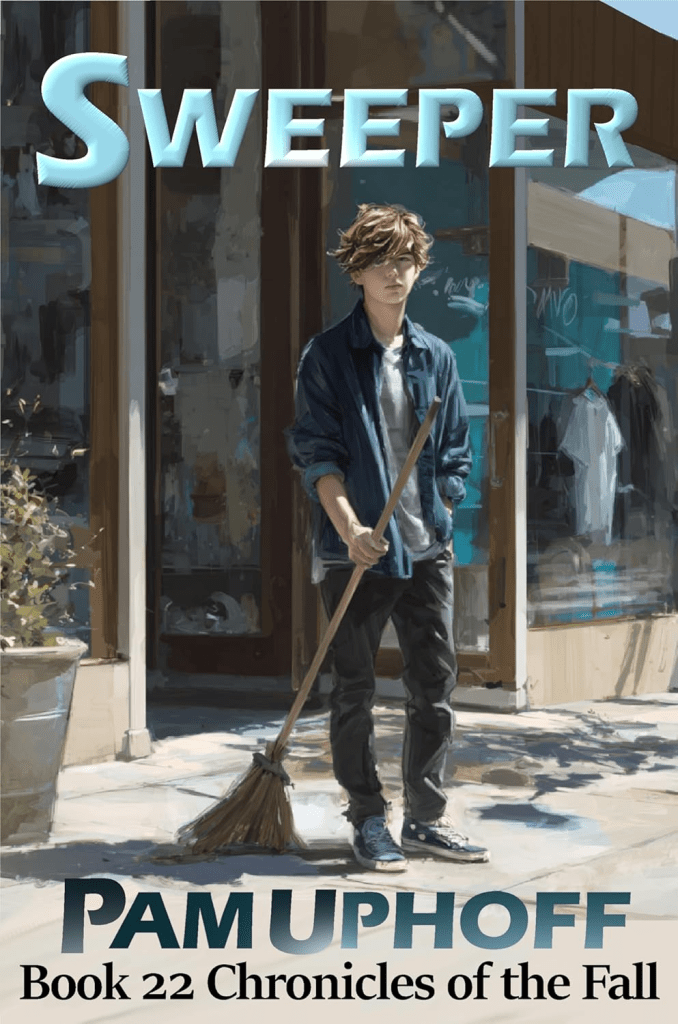
A novella in the Three part Alliance A science fantasy about house repairs and family.
A badly mentally damaged boy, living on the street. Sweeping sidewalks. Living on charity, scrounging and kicks.
Lord Volodya Ignorov, newly transferred into the Bureau of Intelligence in Nova Moskva inherits a rundown house, and a runaway servant. “Probably dead by now.”
FROM NATHAN C. BRINDLE: I’m the Beautiful But Evil Space Princess Who Rules A Galactic Empire But Really Wants To Leave People Ruthlessly Alone!: Volume 4
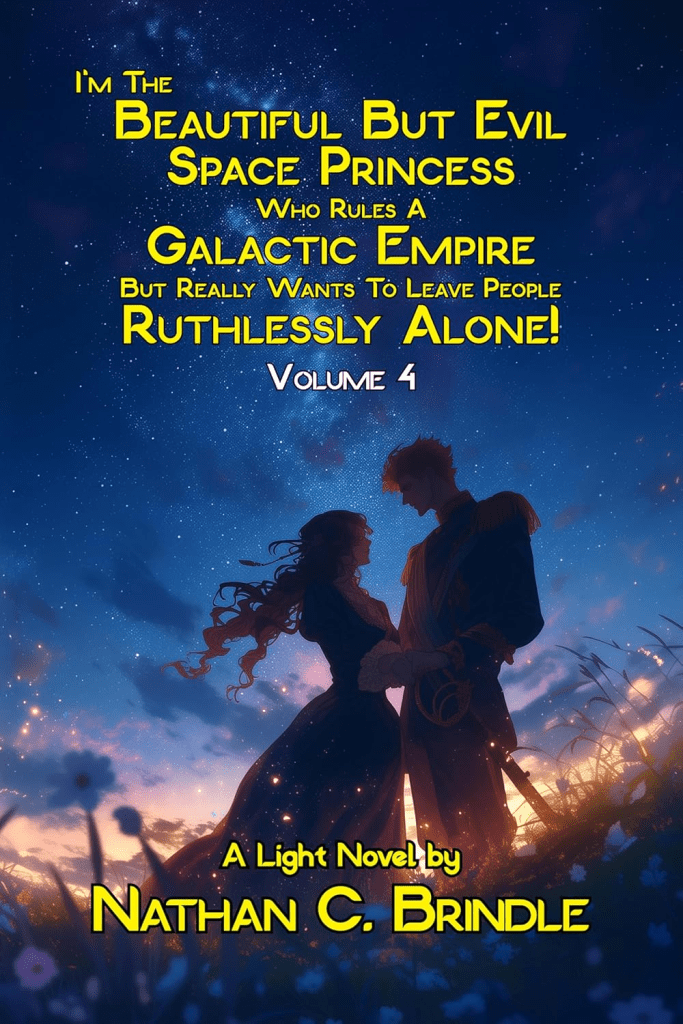
Imperial Princess Regnant Alice and her fiancé, Crown Prince Daniel of Xeros, and the plucky crew of the Imperial Space Yacht Aurora, with the assistance of the Goddess Eireala, have traveled tens of millions of light-years from the Milky Way Galaxy to mend a rift in space.
Once that’s fixed, they’ll head home – and Alice and Daniel will finally be wed!
But nothing ever goes according to plan . . . not even an Imperial wedding.
You’re all invited to the nuptials, regardless . . .
The fourth volume of the BBESP light novel!
FROM JULIE FROST: Smuggling Spaces

Beagles
And dragons
And bears
OH MY
Russell Fisk, the owner/operator of the interplanetary tramp freighter Inquisitive Tamandua, really hates transporting live cargo. But when money’s tight and jobs are hard to find, he’ll take what he can get.
Sometimes the client’s paperwork is iffy. Sometimes the live cargo is unpredictable. And sometimes the dead cargo is even more unpredictable.
Whether the meerkats are engaged in a blood feud, the graveyard is haunted, or the miniature multicolored glow-in-the-dark capybaras might spontaneously combust, Russ has one simple (ha) mission:
Getting his cargo and crew from Point A to Point B in one piece, while staying a step ahead of the feds.
FROM ROBERT MILLER: Sword of the Hopeful King
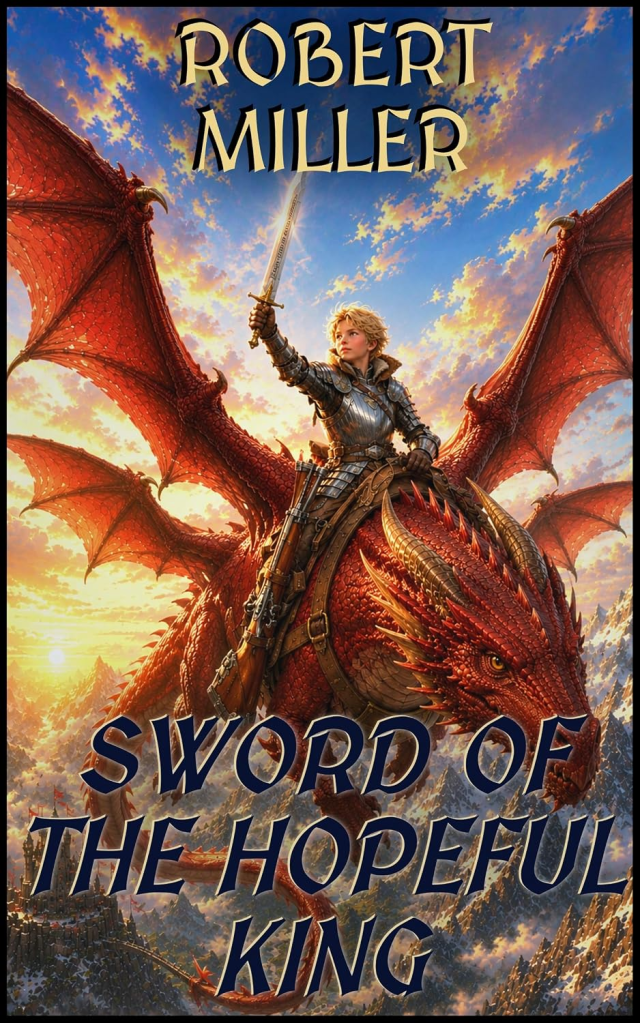
In a realm forged by ancient legends, twelve-year-old Eofor refuses to mourn his dragon-rider father—because the magical amulet at his chest still pulses with a living heartbeat.
Running to the mountains to find the father he knows still lives, Eofor discovers that his father was hunting rogue dragon riders allied with a monster from an age long past. Beneath the kingdom, something far older lurks, but so does the blade that will save the kingdom if Eofor can wield it.
One impossible rescue. One four-winged flight. One chance to claim the Sword of the Hopeful King… or watch the kingdom fall.
Sword of the Hopeful King — Where a child’s faith meets dragon fire and destiny takes wing.
FROM STEPHANIE OSBORN: Eclectic Osborn: The Many Worlds of Stephanie Osborn

Many of Stephanie Osborn’s avid readers have requested her short works be collected and put in print. It took some time for her to write enough to make it economically worthwhile, simply because she usually writes novels.
But the time has arrived! Eclectic Osborn is that collection. Between its covers, you will find fantasy, mystery, horror, satire, and more, many of which have never seen publication before this volume. Sate your appetite for great stories with this diverse plate of tales!
EDITED BY CHRIS KENNEDY: Anthromech
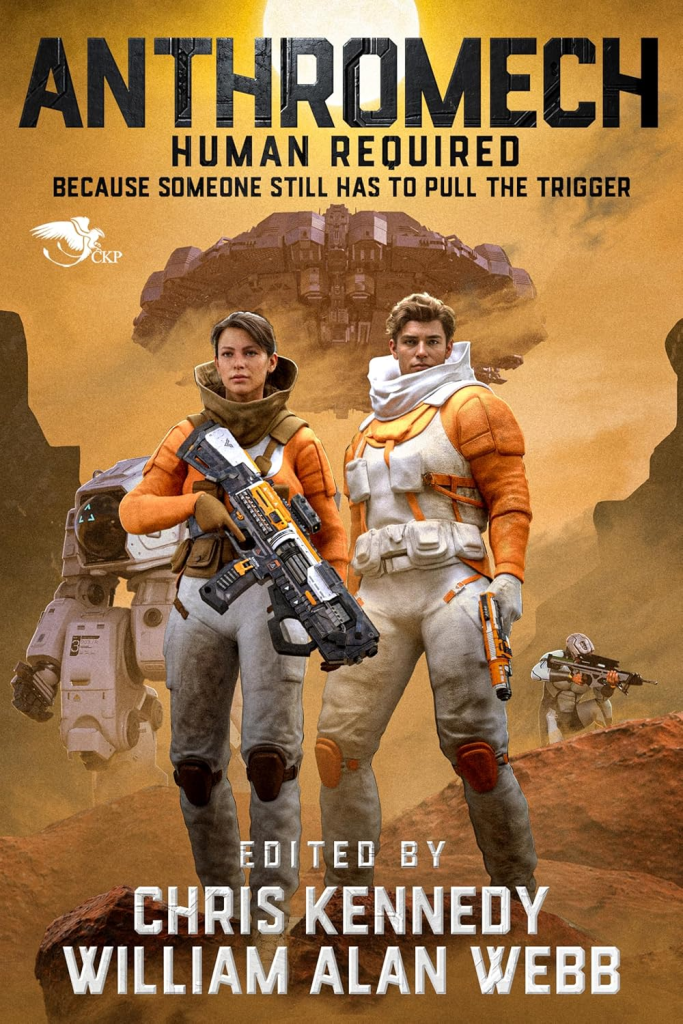
Fifteen new science fiction series. One shared principle: Humanity must never surrender the final choice to the machine.
Welcome to “Anthromech” where technology may serve, amplify, and even merge with humanity, but it must never rule it; these stories push back against the tired assumption that machines will inevitably inherit the future.
This isn’t your traditional anthology, though; it is a Simultaneous Series Launch, introducing fifteen new series in one explosive volume. Readers won’t just discover new worlds here; they’ll help decide which of them march forward into production as full series. Which ones will succeed? You make the call on which ones you want to see more of.
Even more unusual, over half the stories pair veteran, bestselling Chris Kennedy Publishing authors with newer writers, turning the book itself into an act of mentorship as well as an imagination of the future. So climb aboard “Anthromech;” after all, the machine is nothing without you!
With stories by:
S.W. Swoope II & Chris Kennedy
Craig Bell & Kevin Steverson
Richard Cartwright & William S. Frisbee, Jr.
Joseph Hower & William Alan Webb
Charli Cox & John E. Siers
Jay Burr & Mark Stallings
David Appleby & Robert E. Hampson
Abigail Jenkins & April Kelley Jones
M.D. Boncher
Russ Tilton
Michael LaVoice
C.A. Waldron
FROM SARAH A. HOYT: No Man’s Land: Volume 1 (Chronicles of Lost Elly)

Sufficiently advanced science is indistinguishable from magic.
On a lost colony world, mad geneticists thought they could eliminate inequality by making everyone hermaphrodite. They were wrong. Catastrophically wrong.
Now technology indistinguishable from magic courses through the veins of the inhabitants, making their barbaric civilization survivable—and Publius Cornelius Scipio Africanus Kayel Hayden, Viscount Webson, Envoy of the Star Empire—Skip to his friends— has just crash-landed through a time-space rift into the middle of it all.
Dodging assassins and plummeting from high windows was just the beginning. With a desperate king and an archmagician as his only allies, Scipio must outrun death itself while battling beasts, traitors, and infiltrators bent on finishing what the founders started: total destruction.
Two worlds. One chance. No time to lose.
FROM STEPHEN PALMER: Americans Abroad: A Novel of Western Europe’s Surrender to Islam
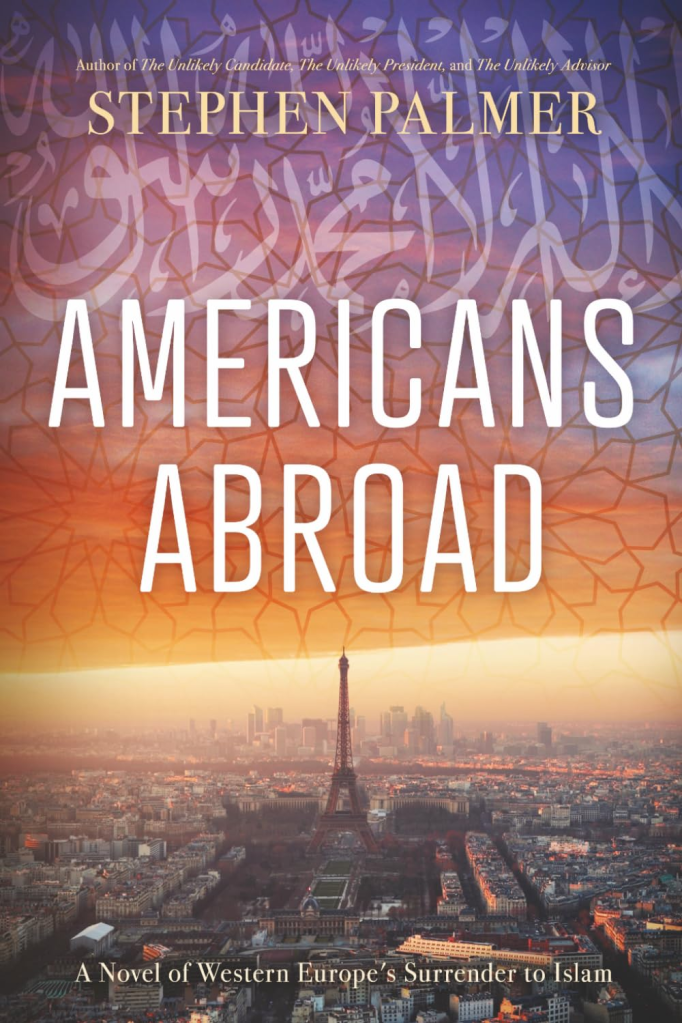
Americans Abroad takes the reader to London, Paris, Berlin, and beyond. The novel explores the seemingly peaceful Islamic invasion of Europe, the feckless responses of Western European politicians, the intolerance of those preaching tolerance, and the weaponization of accusations of Islamophobia and racism. Can Muslims co-exist with Western democracy? Do they even want to? Or is co-existence merely a steppingstone on the path to domination? Americans Abroad probes these issues and makes the case for Christianity in a fast-paced, entertaining read, mixing humor with thought-provoking questions of religion and culture.
Six Americans travel to Europe—two go for work, two for fun, and two for Christian ministry opportunities. As they travel about the Continent, they encounter each other, as well as the effects of Muslim mass migration. The Americans commit the politically incorrect sin of noticing the downsides to “cultural enrichment” from third-world immigrants.
Americans Abroad follows Stephen Palmer’s successful three-book Unlikely series. In his fourth novel, Stephen shifts focus from American politics to broader issues of Western culture and religion.
After a successful twenty-year legal career, Stephen Palmer retired from Big Law at age 46 to focus on writing, public speaking, and volunteer Christian ministry activities. Stephen and his wife, Jennifer, live in Starkville, Mississippi after thirty years in the Atlanta area.
FROM BRIAN HEMING: Monster Girl Evolution: Tournament of the Smart: An illustrated tournament battle litRPG
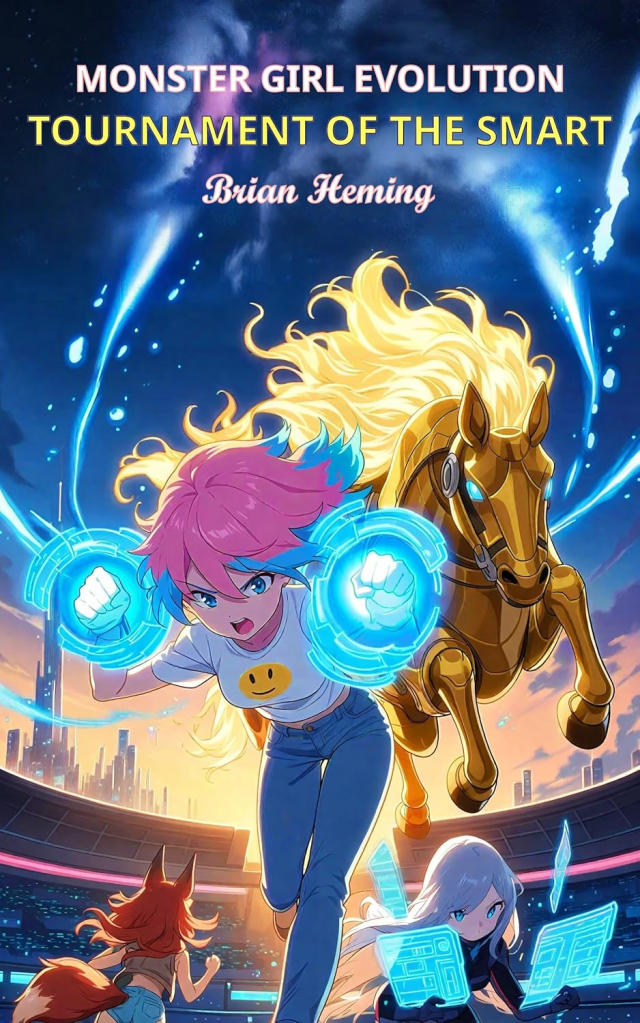
“AN ABSOLUTELY BRILLIANT SATIRE” “a fun read and not to mention hilarious” “Peak fiction.””this is ironically genius level.”
After the Kingdom of Dumb was attacked across the dimensional barrier by the Empire of the Smart, Amy led her team to take the fight to the Empire, along the way levelling up and evolving into a Luminous Fount of Dumbness, alongside Mizuno’s evolution into a Techno-Mage Evolved Smart Girl, Misty’s into an Armored Evolved Horse Girl, and Sassy’s into a Hyperactive Omega Puppy Girl. After taking over a machine-controlled world of the Empire using Mizuno’s hacking powers, the girls entered the Tournament of the Smart, a team fighting tournament that will determine the next ruler of the Empire.
Now they must fight increasingly powerful opponents, giving every match their all as they seek the throne. But can the Empire of the Smart accept a Dumb ruler, or will shadowy forces succeed at rigging the tournament and crushing the girls and their hopes to make a place for dumbness in the universe?
32 illustrations, full color if your device supports it.
FROM DANIEL WILLARD: The Mobster’s Daughter
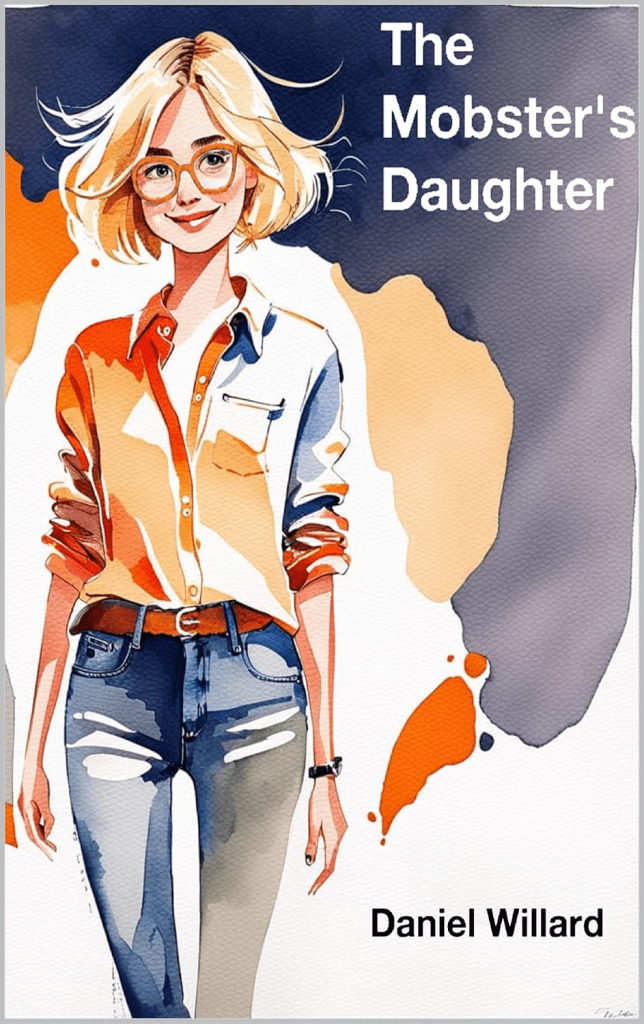
Danny couldn’t understand why he was so attracted to Carly, because they didn’t have a lot in common. Danny was quiet; Carly couldn’t stop talking. Danny loved science and math; Carly was terrified of them. Danny read science fiction; Carly read Harlequin romances. Danny’s favorite band was Pink Floyd; Carly had never heard of Pink Floyd.
It was only later that Danny found out that Carly’s father was a Mafia boss. That made things complicated, because Danny’s father was an FBI agent.The Mobster’s Daughter is a tale set in Youngstown, Ohio, a blue collar city of giant steel mills and back-room bookie joints, close-knit families and unsolved disappearances, church festivals and car bombs.
FROM LEIGH KIMMEL: Catch That Thought

Skid Milliken has a problem. Rent’s due, clients are scarce, and he can’t afford to be picky when he’s on a space station a long way from Earth. So when a Chongu scientist walks into his office claiming she’s being pursued by an unseen cabal, he grabs the job.
Now Skid has a real problem. Someone’s chasing him, and is willing to kill. His scientist is carrying a deadly secret from a distant planet — and someone in her circle of students is a traitor, but no one knows who.
Can he sort out this tangled yarn of lies and half-truths before it kills him, even as an ancient enemy closes in?
A short story of the Chongu Empire.
So what’s a vignette? You might know them as flash fiction, or even just sketches. We will provide a prompt each Sunday that you can use directly (including it in your work) or just as an inspiration. You, in turn, will write about 50 words (yes, we are going for short shorts! Not even a Drabble 100 words, just half that!). Then post it! For an additional challenge, you can aim to make it exactly 50 words, if you like.
We recommend that if you have an original vignette, you post that as a new reply. If you are commenting on someone’s vignette, then post that as a reply to the vignette. Comments — this is writing practice, so comments should be aimed at helping someone be a better writer, not at crushing them. And since these are likely to be drafts, don’t jump up and down too hard on typos and grammar.
If you have questions, feel free to ask.
Your writing prompt this week is: ADAPTABLE.





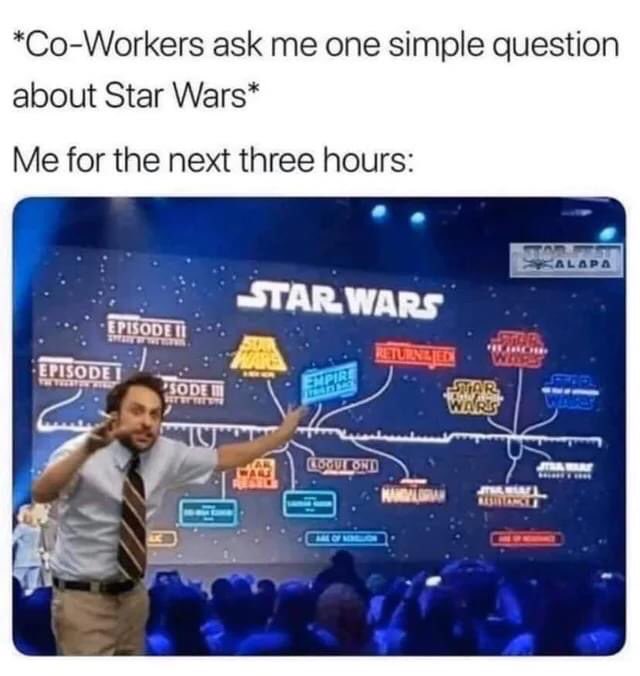
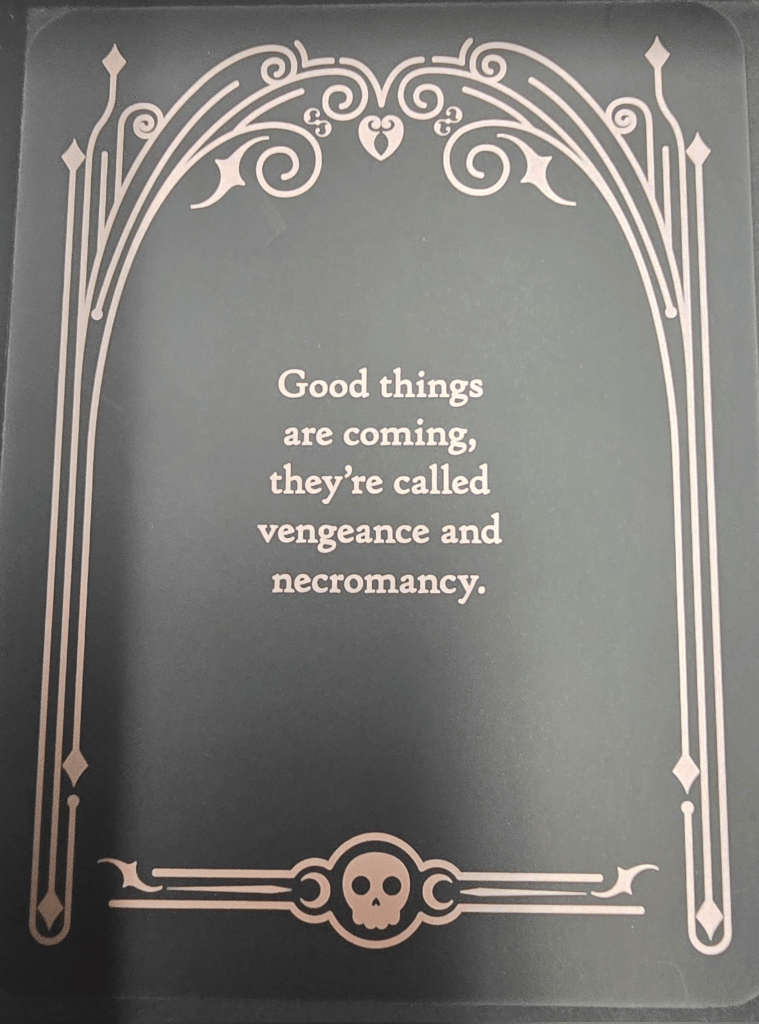

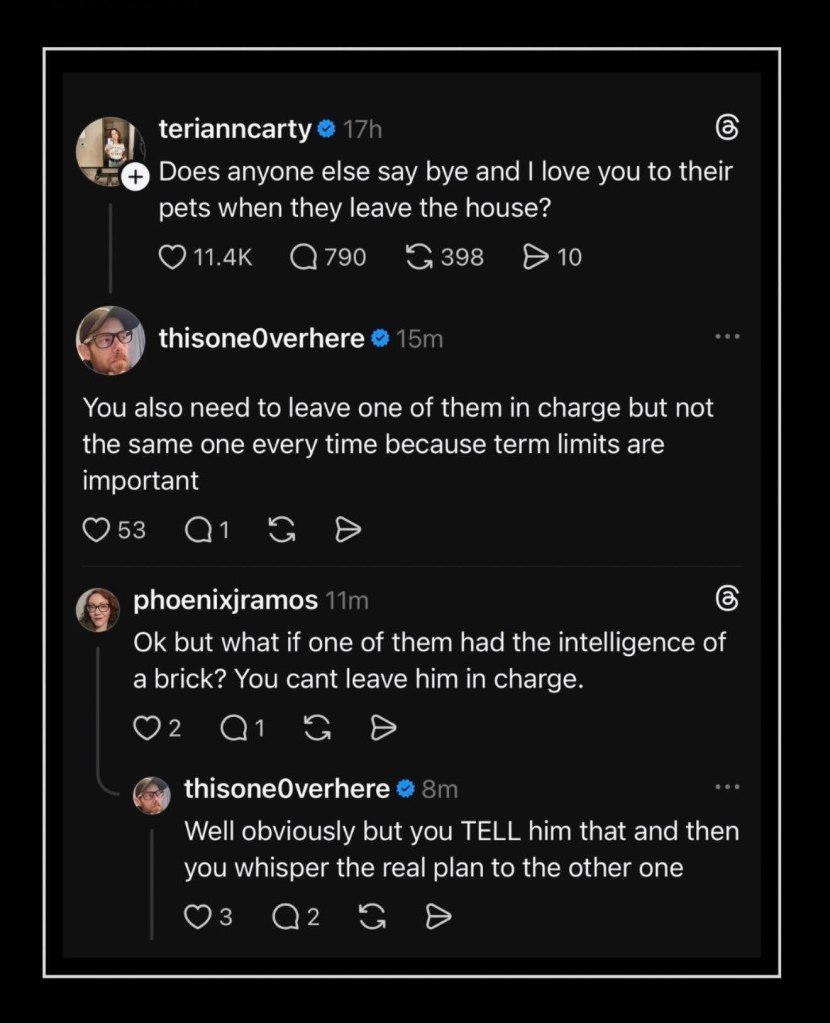

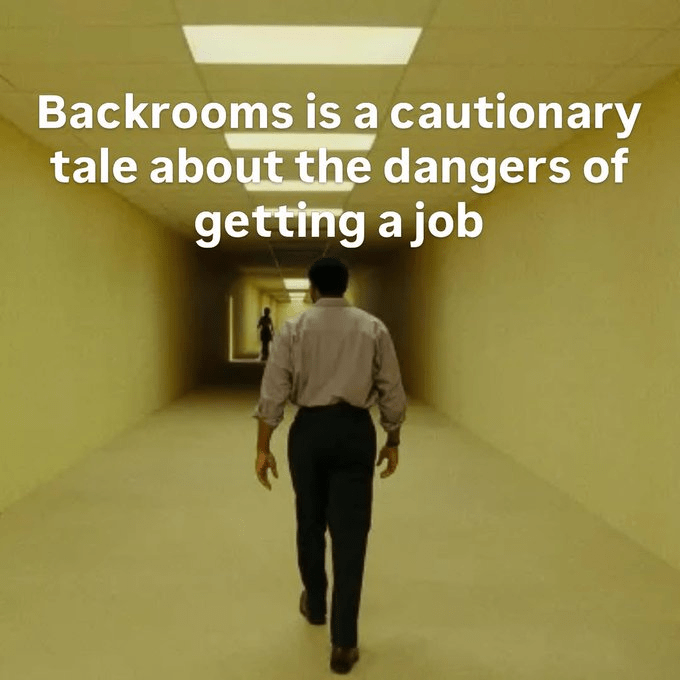












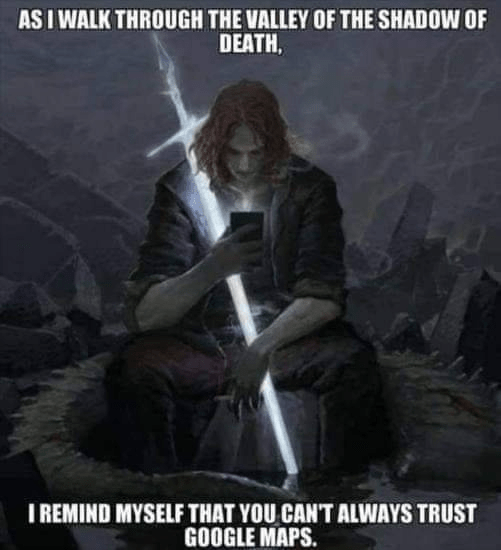


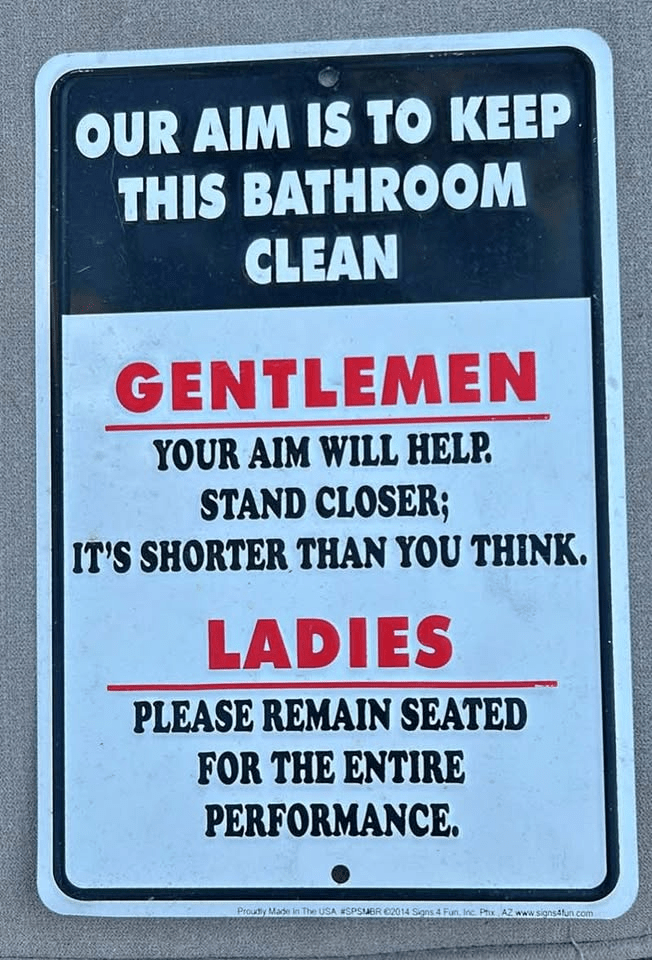
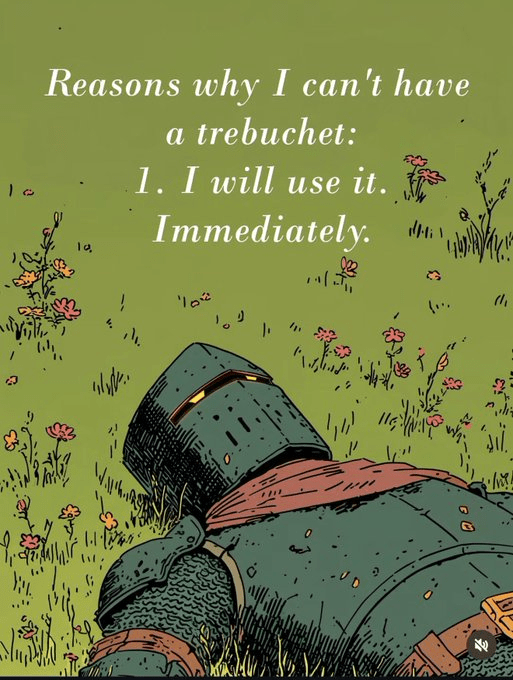
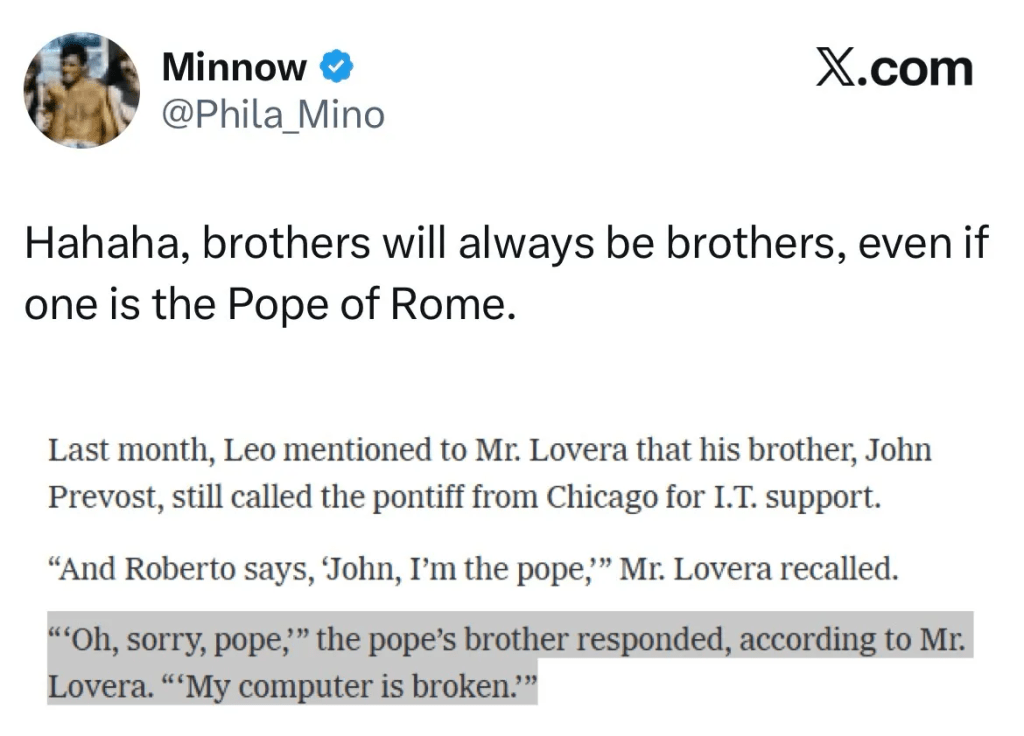
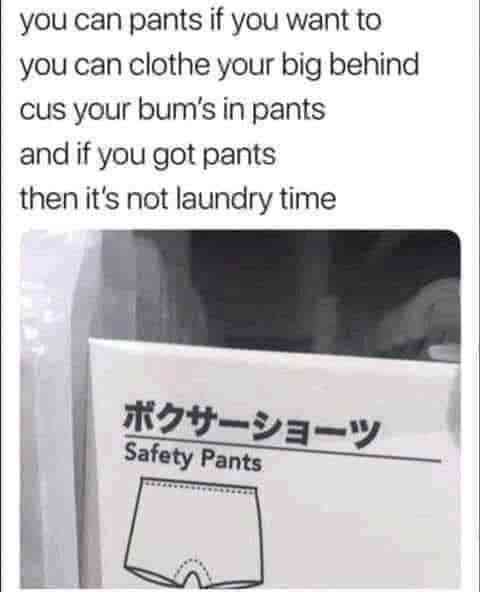
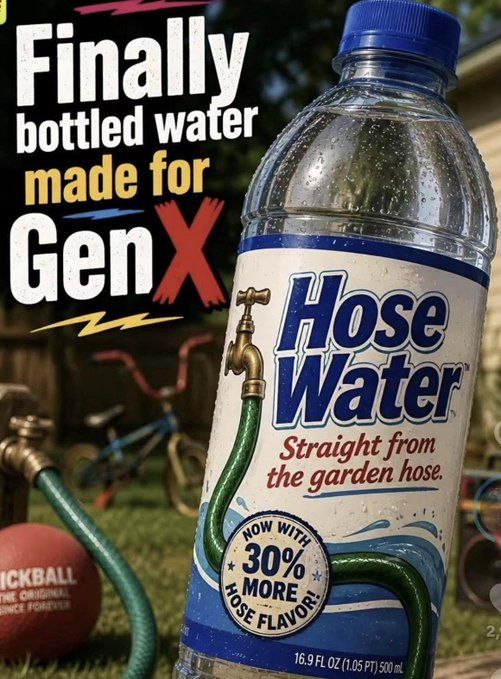
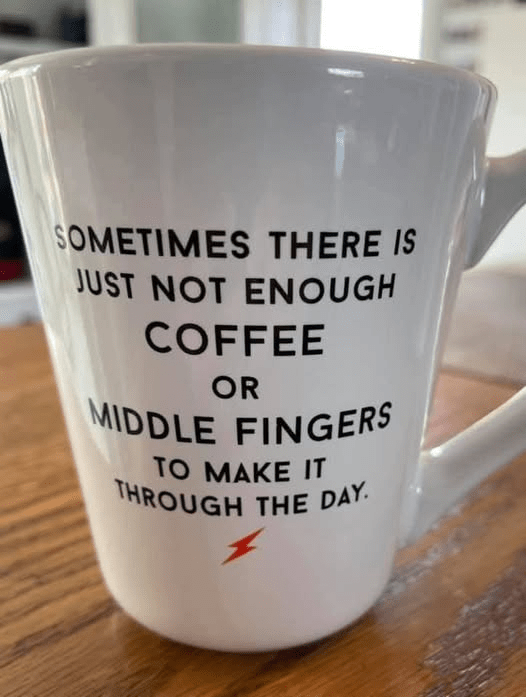
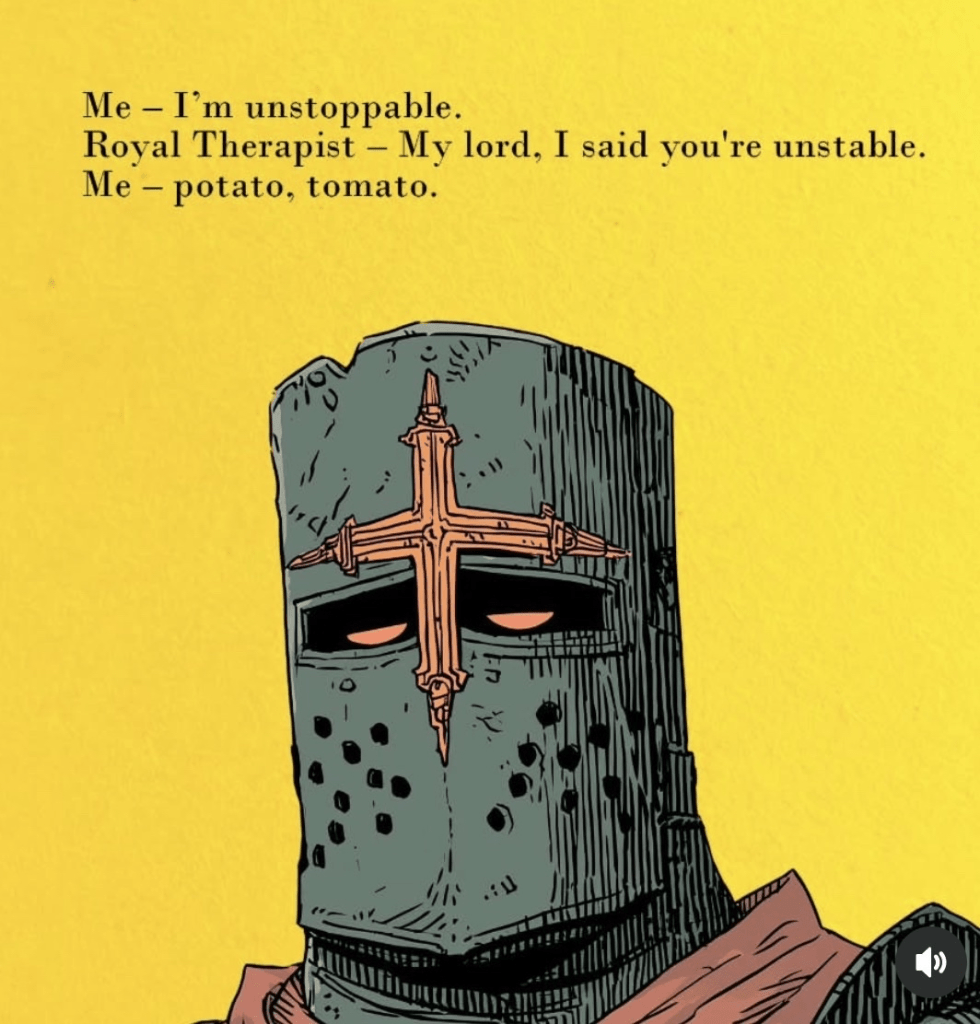
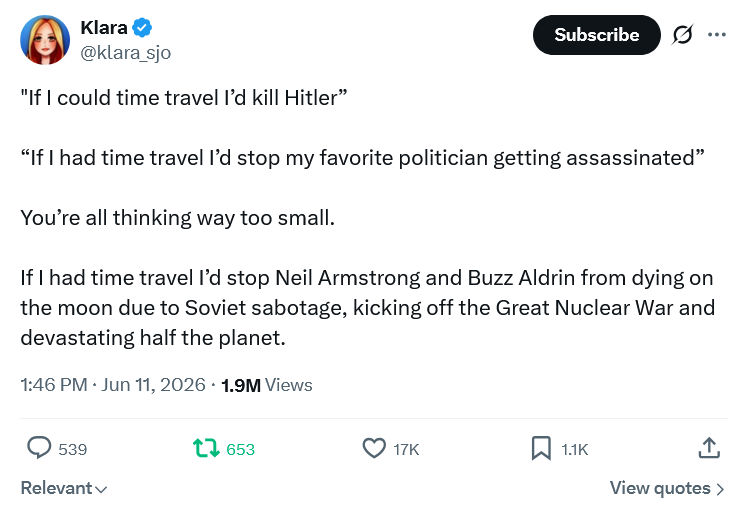

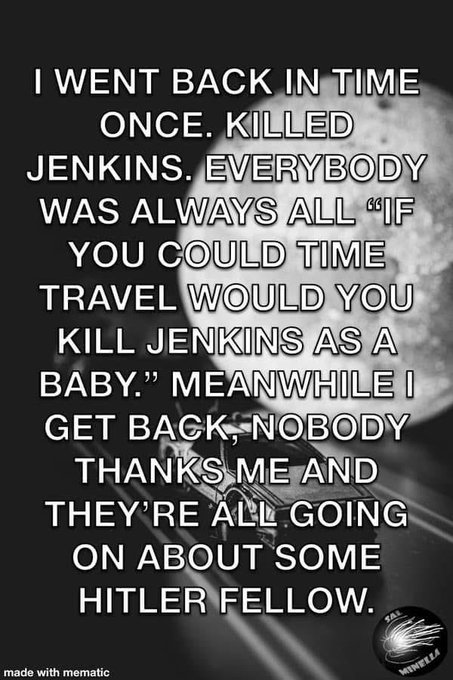
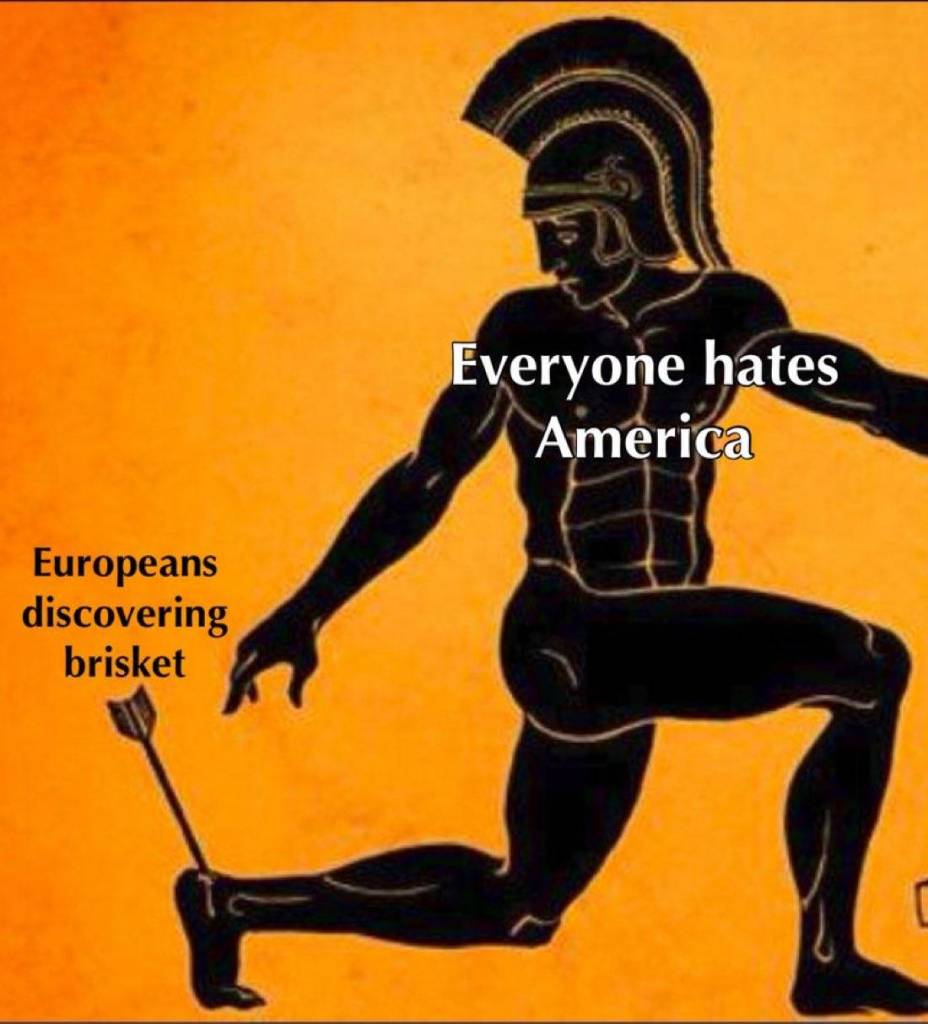
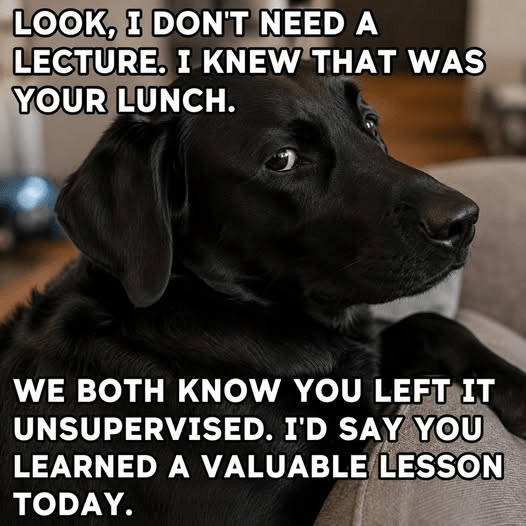












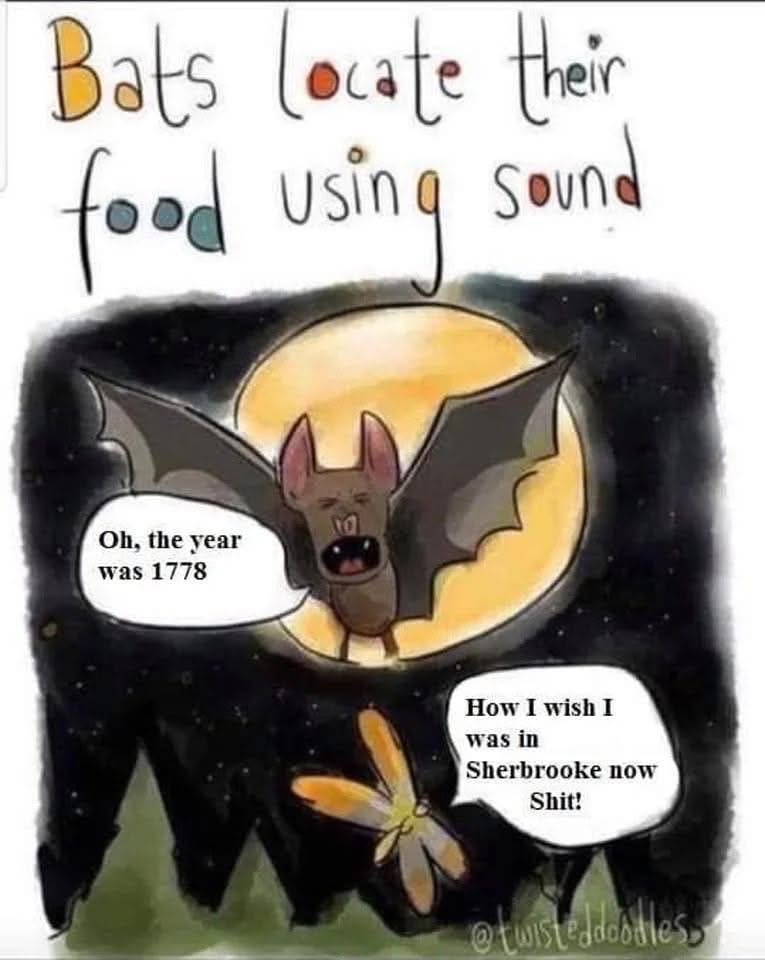

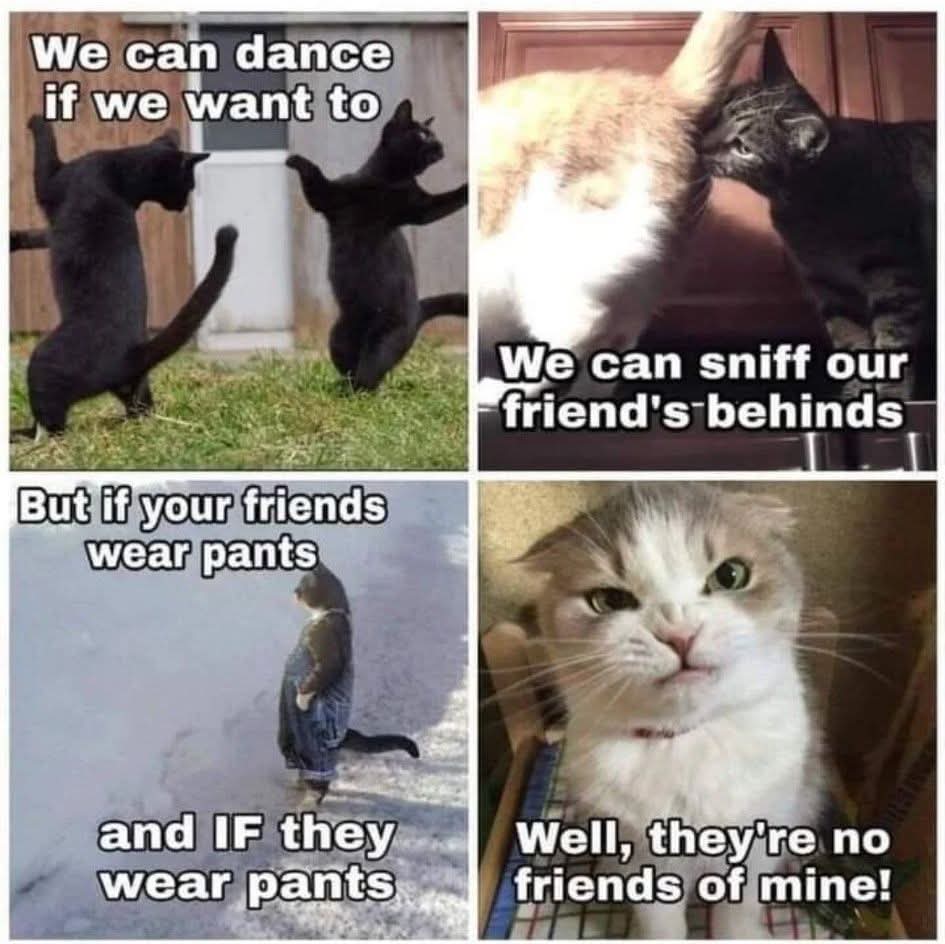
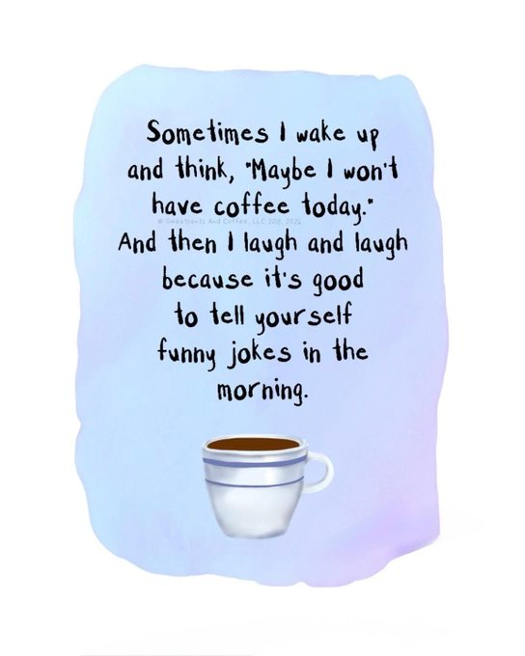


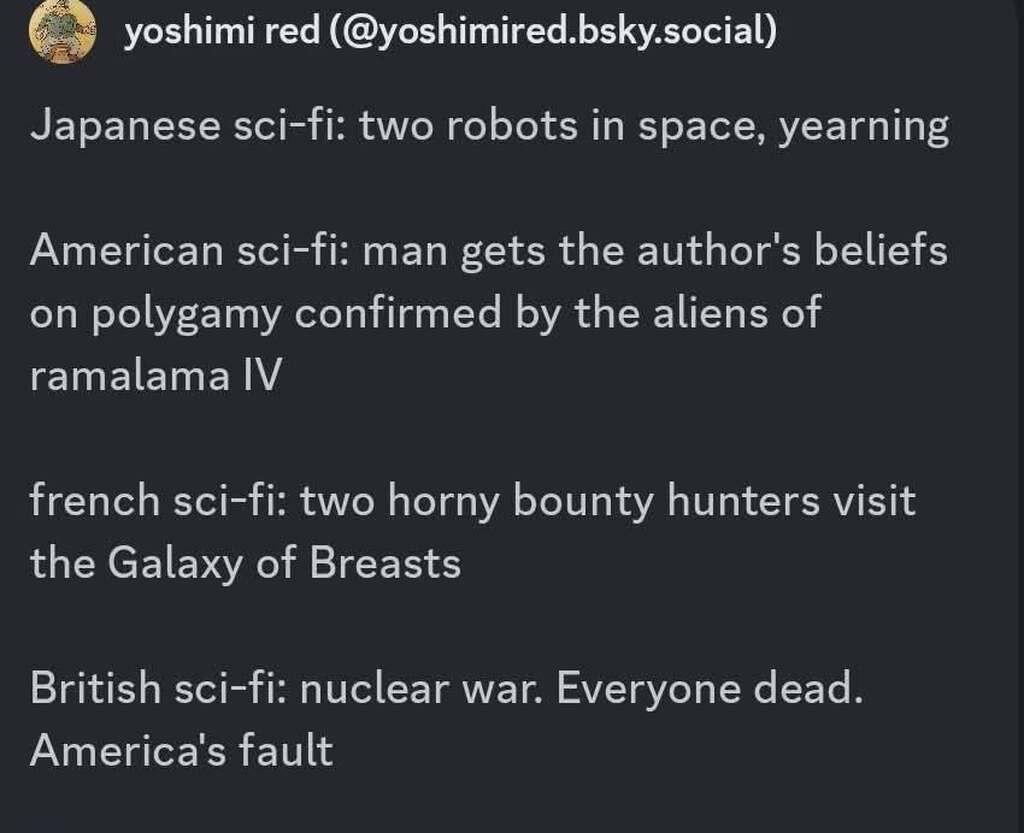


















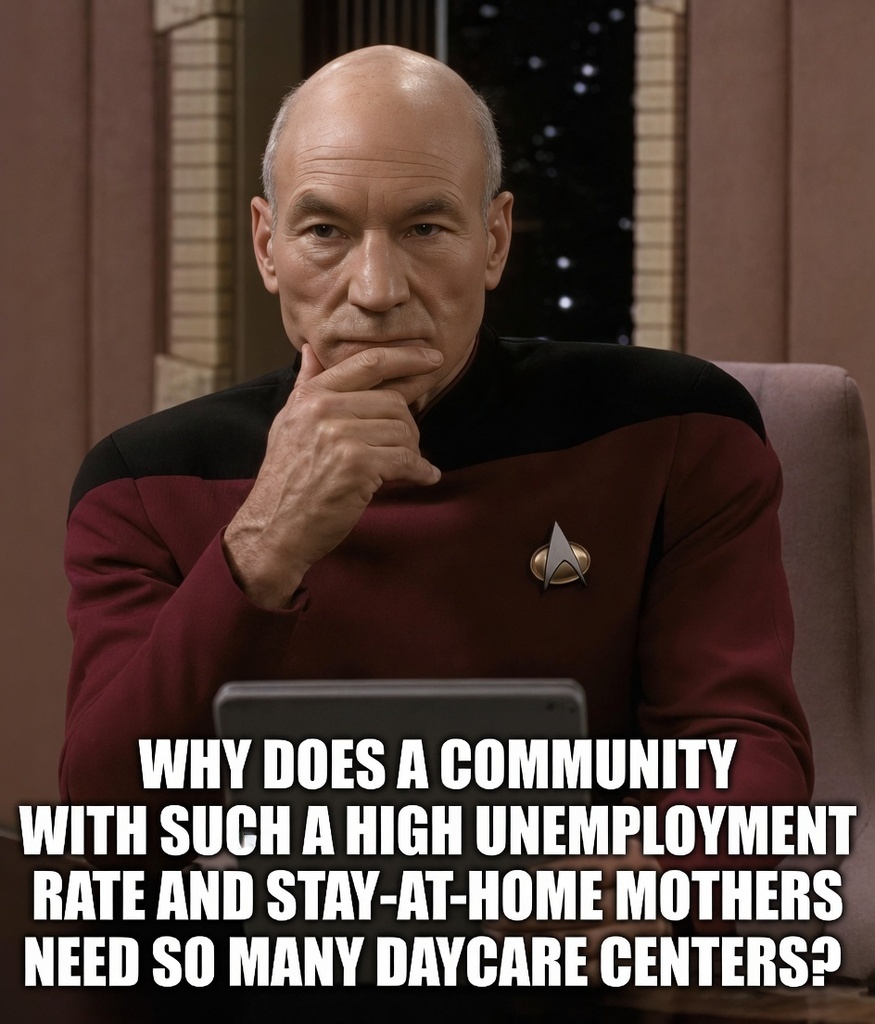


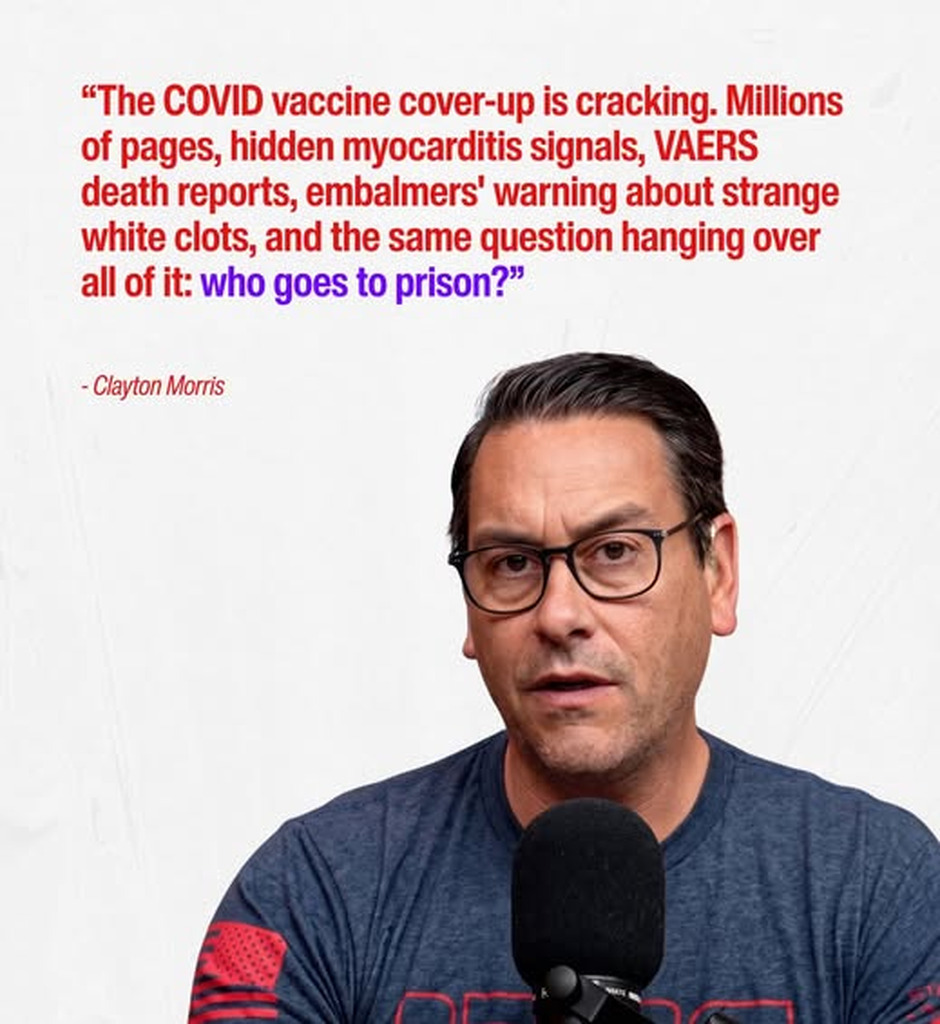



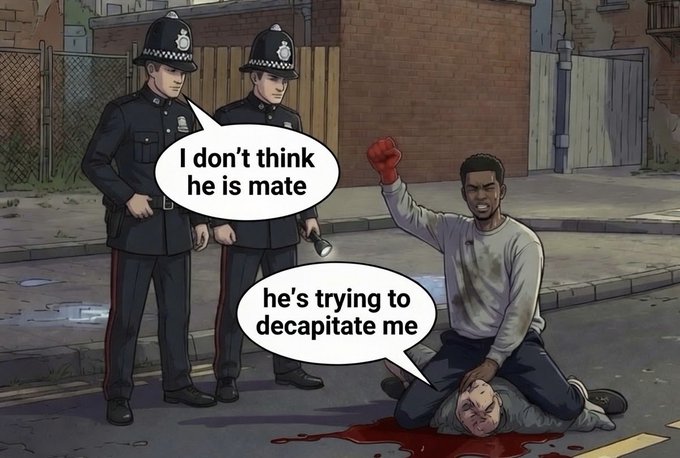
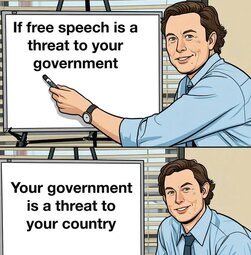




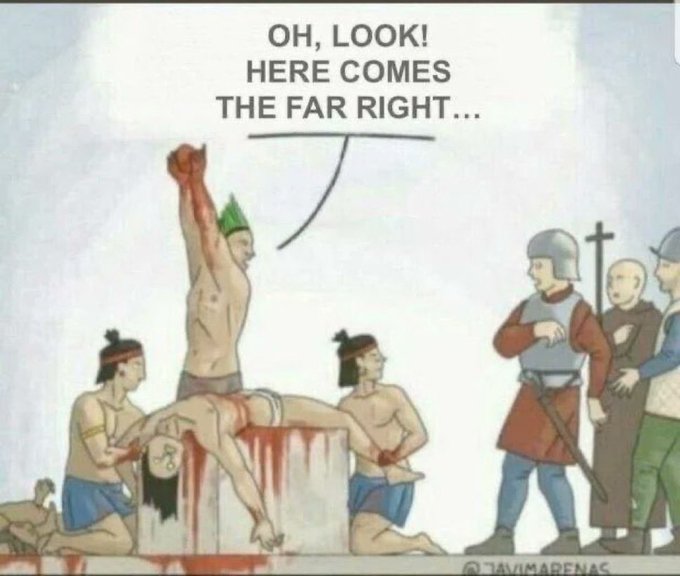
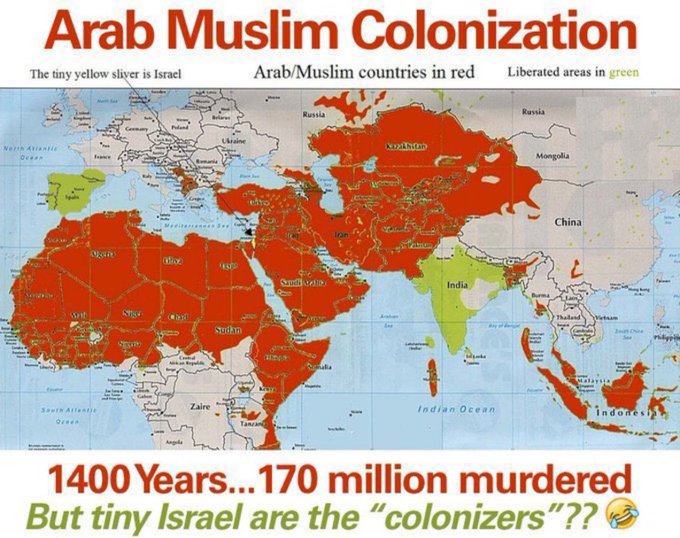
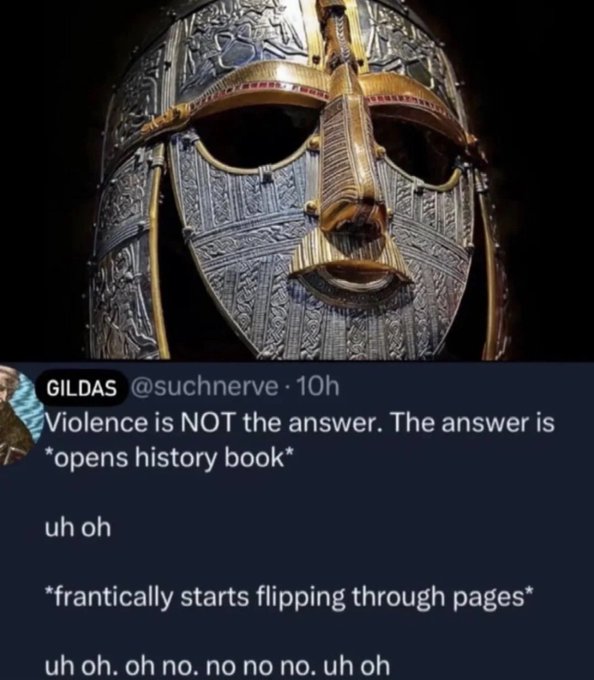

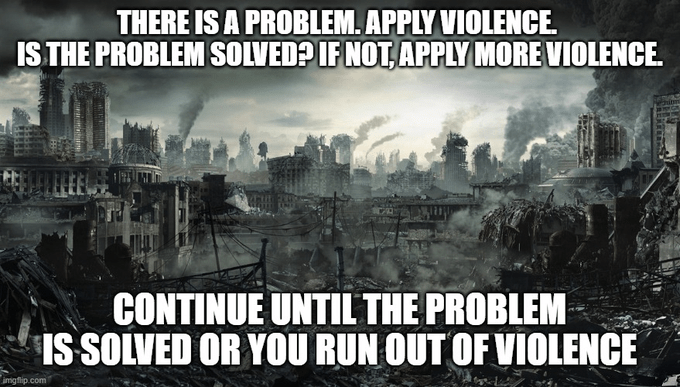

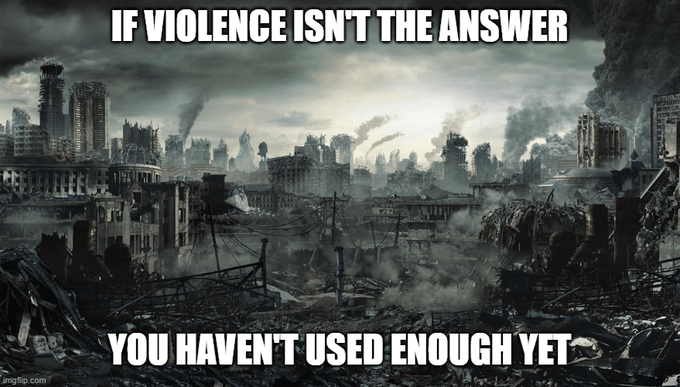
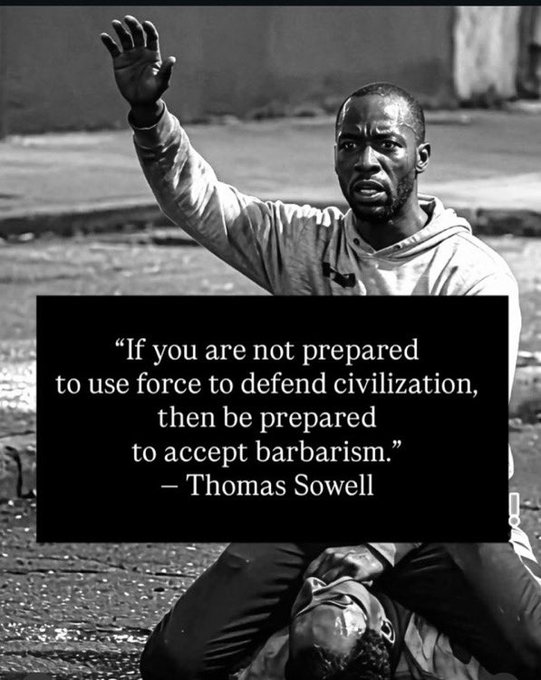



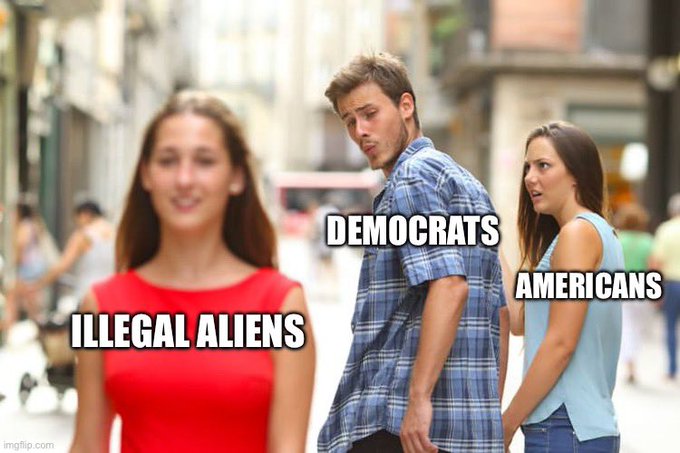

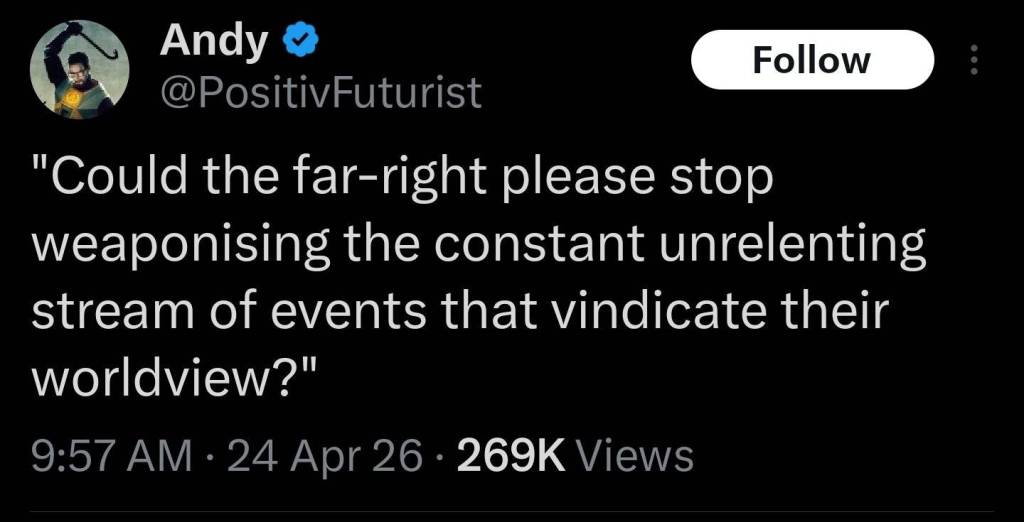
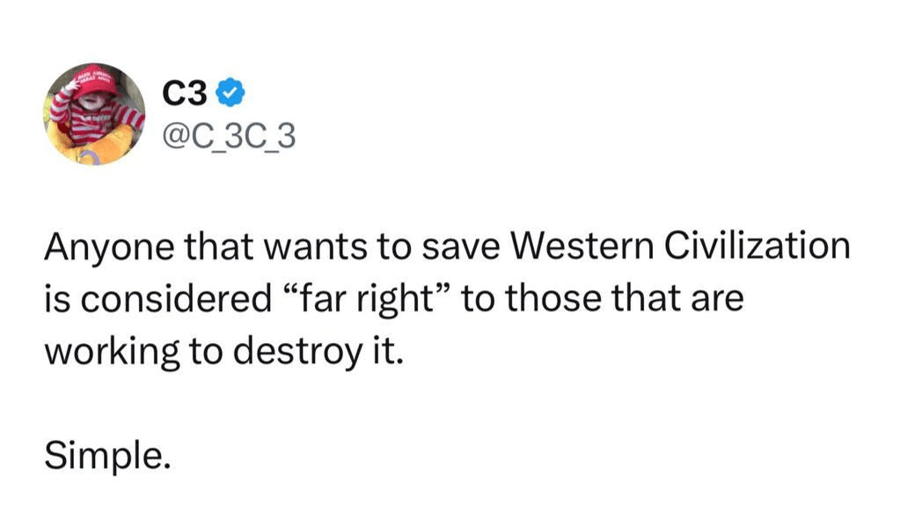




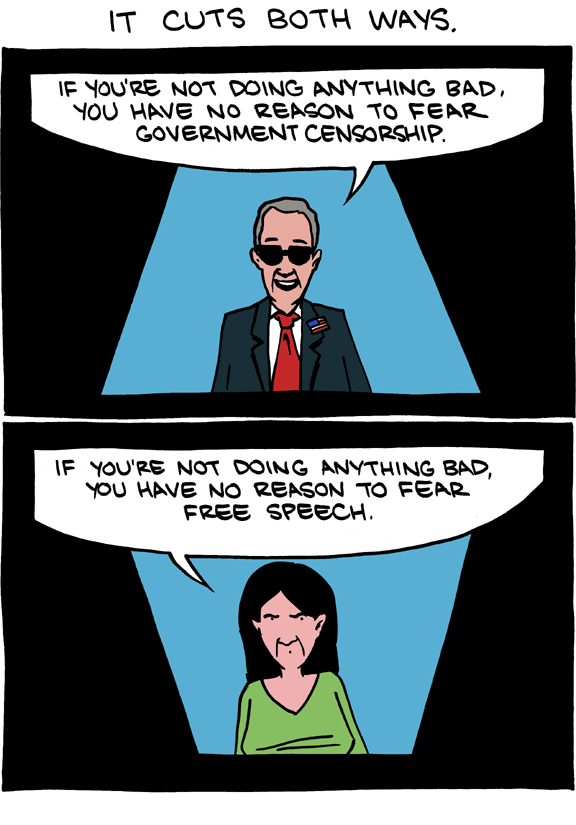

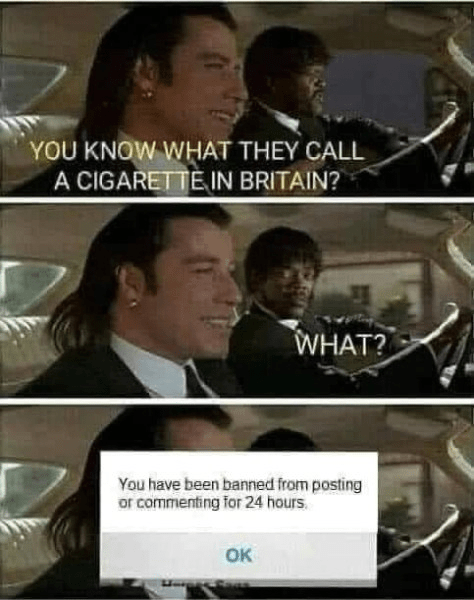

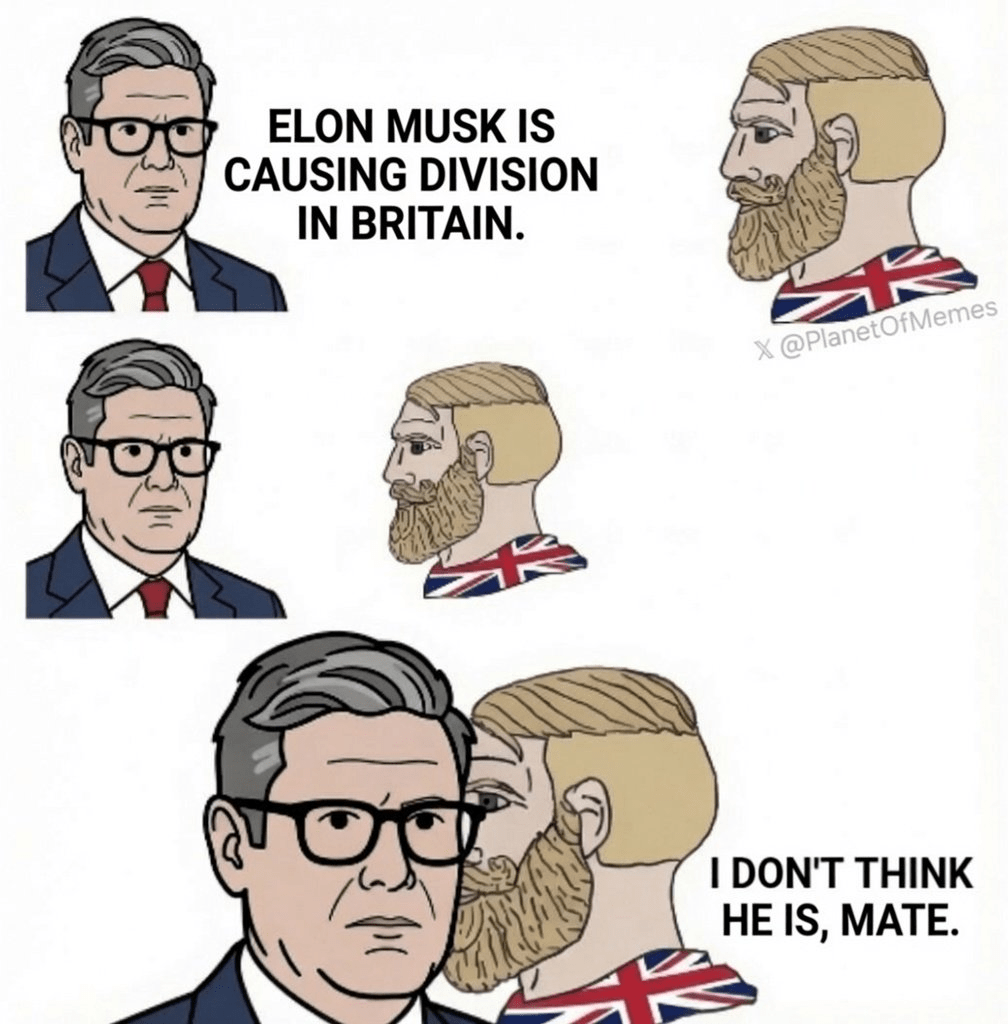
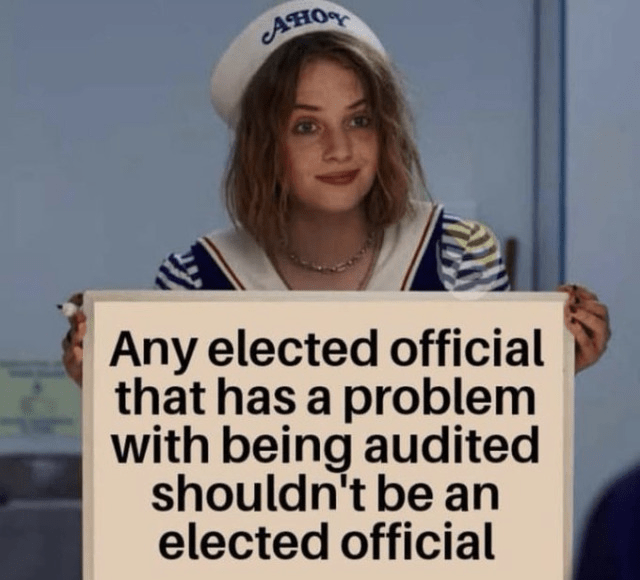


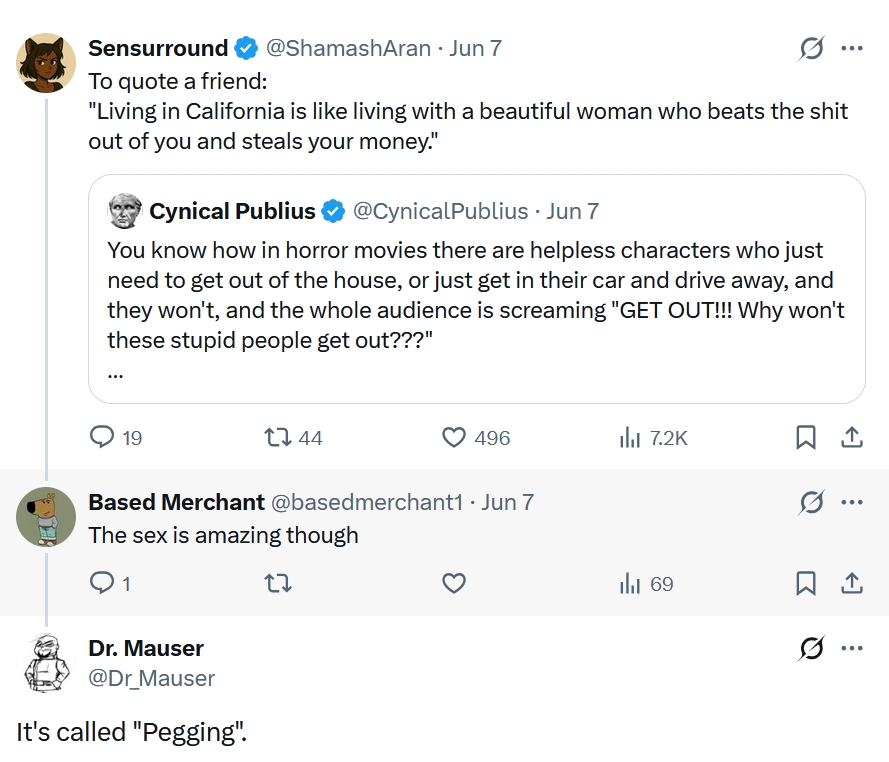

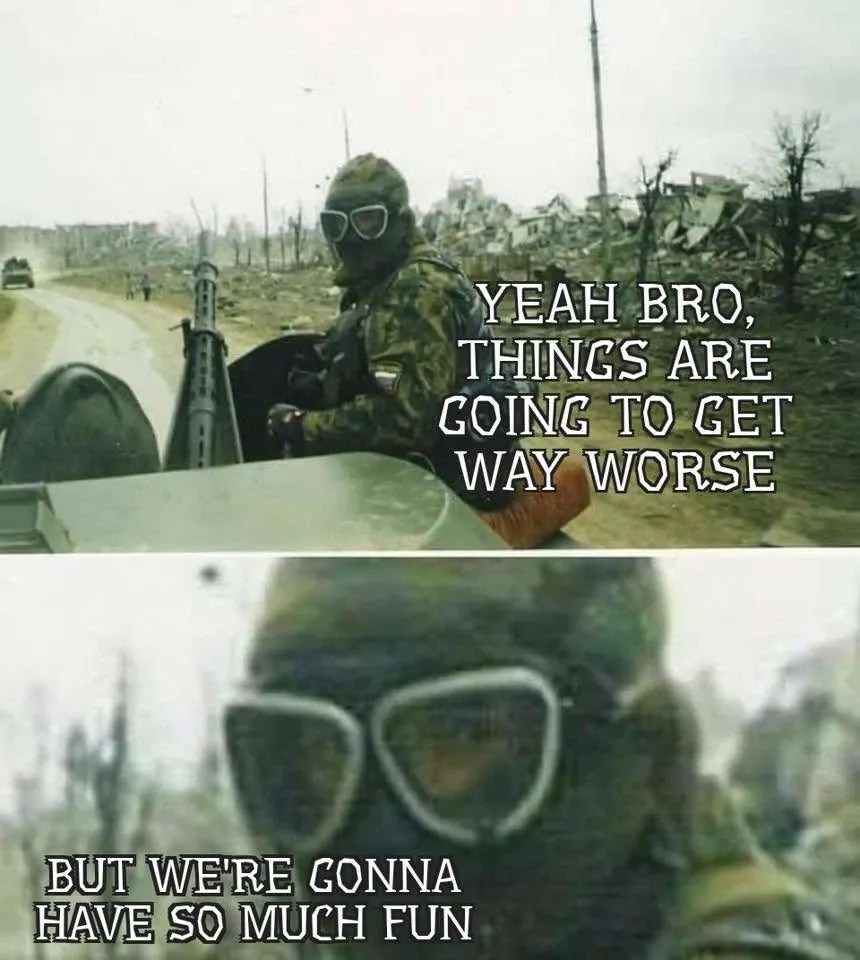










Only four Sarah And The Clankers songs this week, because I REALLY had a crazy day yesterday.
Last week’s The Week In Clankers
The full list up to two weeks ago: The Clankers did Sing.
Sorry. I haven’t been sleeping, yesterday was brutal (just scheduling. Nothing BAD happened.) And I’ve sat here staring at the screen for two hours now, while my thoughts run in every direction like stray sheep.
So, treat this as an open thread: Europeans discovering America while coming for the world cup; the latest cray cray on the left (spoiled for choice); the IPO for space x.
I’m going to nap so I can write. Because staring at the screen is not productive.

